
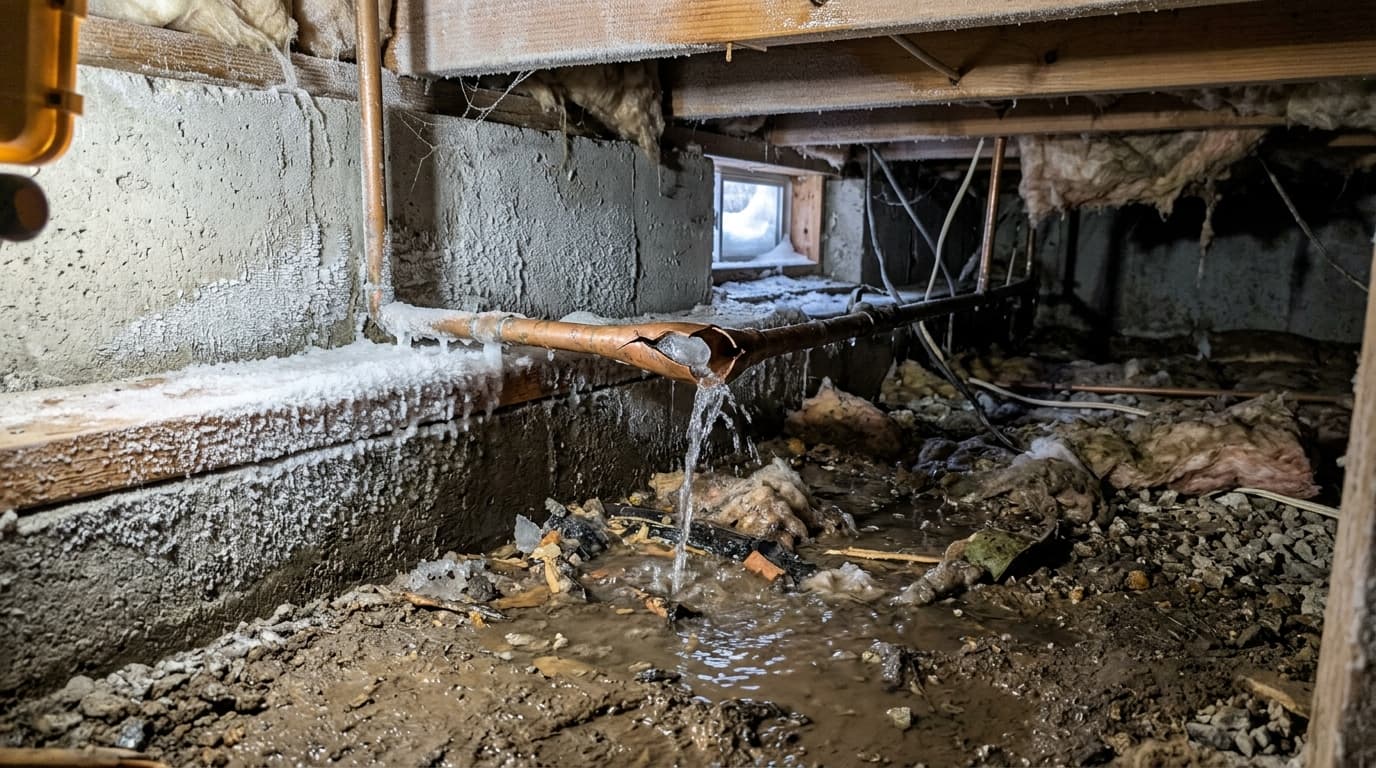
To protect your Treasure Valley home from frozen pipes, disconnect all exterior garden hoses before the first November freeze, install insulated foam covers over all foundation crawl space vents, wrap exposed water pipes in your crawl space with foam insulation or thermostatically-controlled heat tape, and open vanity cabinet doors during sub-zero nights. If temperatures drop below 15°F, leave a pencil-thin trickle of cold water running at the faucet furthest from your main water line to relieve line pressure.
- Disconnect Garden Hoses: Leaving a hose connected prevents 'frost-free' spigots from draining, frequently causing a burst inside the wall.
- Cover Foundation Vents: Install foam plug vent covers in late fall to prevent sub-zero arctic wind from chilling your crawl space.
- The Trickle Technique: Running a pencil-thin stream of water prevents stagnant freezing and relieves hydraulic pressure.
- Open Under-Sink Cabinets: Allows warm home air to circulate around plumbing against cold exterior walls.
- Never Use an Open Torch: Thaw frozen pipes using hot air (hair dryer or space heater) only. Open flames trigger house fires and steam explosions.
1. Why Treasure Valley Pipes Burst During Winter
Contrary to popular belief, it is not the ice expanding at the freeze point that splits the pipe—it is the hydraulic pressure trapped behind the ice blockage.
Water has the unique property of expanding by approximately 9% as it transitions into ice. When ice forms inside a plumbing line in an unheated Boise crawl space or exterior wall, it creates an impermeable ice plug.
As the ice expands toward the closed faucet, it compresses trapped liquid water between the freeze point and the closed valve, spiking internal pressure from a normal 50 PSI up to over 3,000 PSI. Eventually, the copper wall or PEX crimp ring fails violently, rupturing the pipe.
Homeowners often do not realize the pipe has burst until temperatures rise above freezing, the ice melts, and hundreds of gallons of water cascade into crawl spaces or through drywall ceilings.
The Silent Thaw Danger
The most destructive flooding occurs when temperatures rise above 32°F after a deep freeze. As the ice plug melts, pressurized water floods your home while you are away at work. Check your water meter or crawl space immediately during a thaw.
2. The Essential Autumn Winterization Checklist
Preparing your home before the first hard freeze in Ada and Canyon counties prevents 95% of all winter plumbing emergencies.
Treasure Valley Winter Freeze Checklist
Tap items to track reading progressTrapped water inside connected hoses freezes back into the sillcock body, cracking the valve inside your wall.
Inexpensive polystyrene covers create a dead-air insulation pocket against winter windchill.
Stops 10°F winter winds from directly hitting exposed PEX and copper pipes running under your floor joists.
Contractors use high-CFM air compressors to evacuate water from underground lateral lines and vacuum breakers.
Insurance carriers can deny pipe burst claims if the homeowner allowed indoor heat to lapse.
3. How to Safely Thaw a Frozen Plumbing Pipe
If you turn on your kitchen or bathroom faucet and only a few drops trickle out on a freezing morning, your line is frozen.
Do not panic, but act methodically to thaw the line safely without causing a burst or fire:
Have the Main Valve Ready
Before thawing any frozen pipe, stand ready to shut off the main water valve. If the pipe cracked while frozen, water will spray out at full 60 PSI the second the ice plug dissolves.
Keep the Faucet Open
Open both hot and cold handles on the affected fixture.
- As the ice plug melts, water will begin to flow through the open tap.
- Flowing water helps melt the remaining ice and relieves trapped hydraulic pressure.
Locate the Suspected Frozen Section
Check crawl spaces, exterior wall cavities, and unheated garage lines.
- Look for frost accumulation, pipe bulges, or hairline fissures on copper fittings.
- Touch the pipes: the frozen section will feel noticeably colder than surrounding lines.
Apply Gentle, Controlled Heat
Work backward from the faucet toward the freeze point.
- Use a handheld hair dryer, portable electric space heater, or warm wet towels wrapped around the pipe.
- Starting near the open faucet ensures melting water has an escape path.
NEVER Use an Open Flame
Blowtorches, propane heaters, and open flames are strictly dangerous.
- Open flames rapidly flash water into superheated steam inside the sealed pipe, causing violent shrapnel explosions.
- Torches ignite dry crawl space wood framing, insulation facing, and electrical wire coatings within seconds.
4. What to Do If a Pipe Bursts in Your Crawl Space
If the worst happens and water floods beneath your home, fast emergency extraction is required to save your floor joists and subflooring.
Crawl space pipe bursts frequently release 500 to 2,000 gallons before the homeowner notices low water pressure or gurgling sounds under the floor.
1. Shut off the main water valve immediately.
2. Do not enter deep crawl space water with submerged electrical lines.
3. Call an IICRC-certified extraction and crawl space restoration crew equipped with submersible trash pumps, industrial LGR dehumidifiers, and HEPA air scrubbers.
Frozen Pipe Burst Beneath Your Boise Home?
Emergency crews extract pooled water, remove soaked insulation, and dry floor joists before dry rot and black mold take hold. Rapid on-call dispatch coordination.
Related Water Restoration Services in Boise
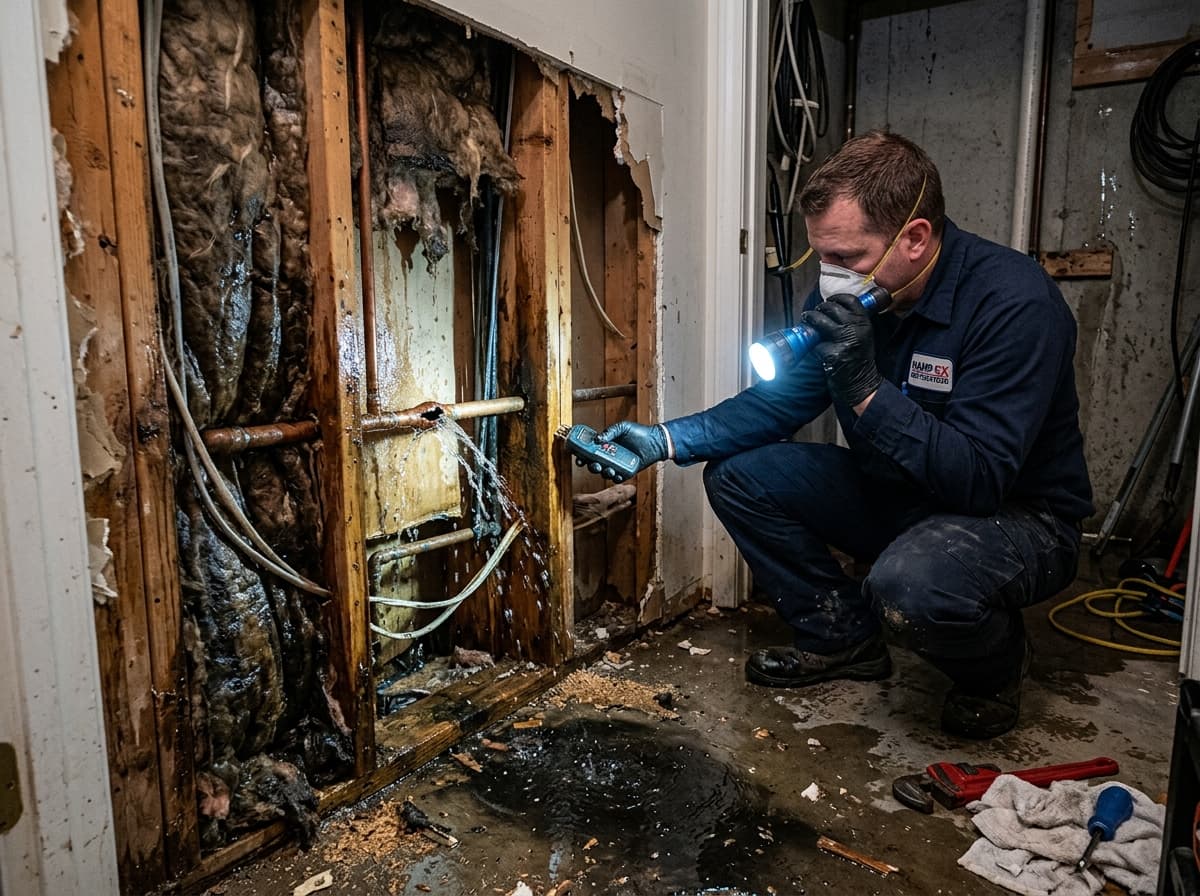
Burst Pipe Water Damage
During Boise winter freezes, sub-freezing temperatures penetrate uninsulated crawlspaces, exterior walls, and attics, causing copper and PEX lines to burst under high pressure. When the thaw hits, hundreds of gallons pour into living spaces. Connect with local emergency pipe restoration crews immediately.
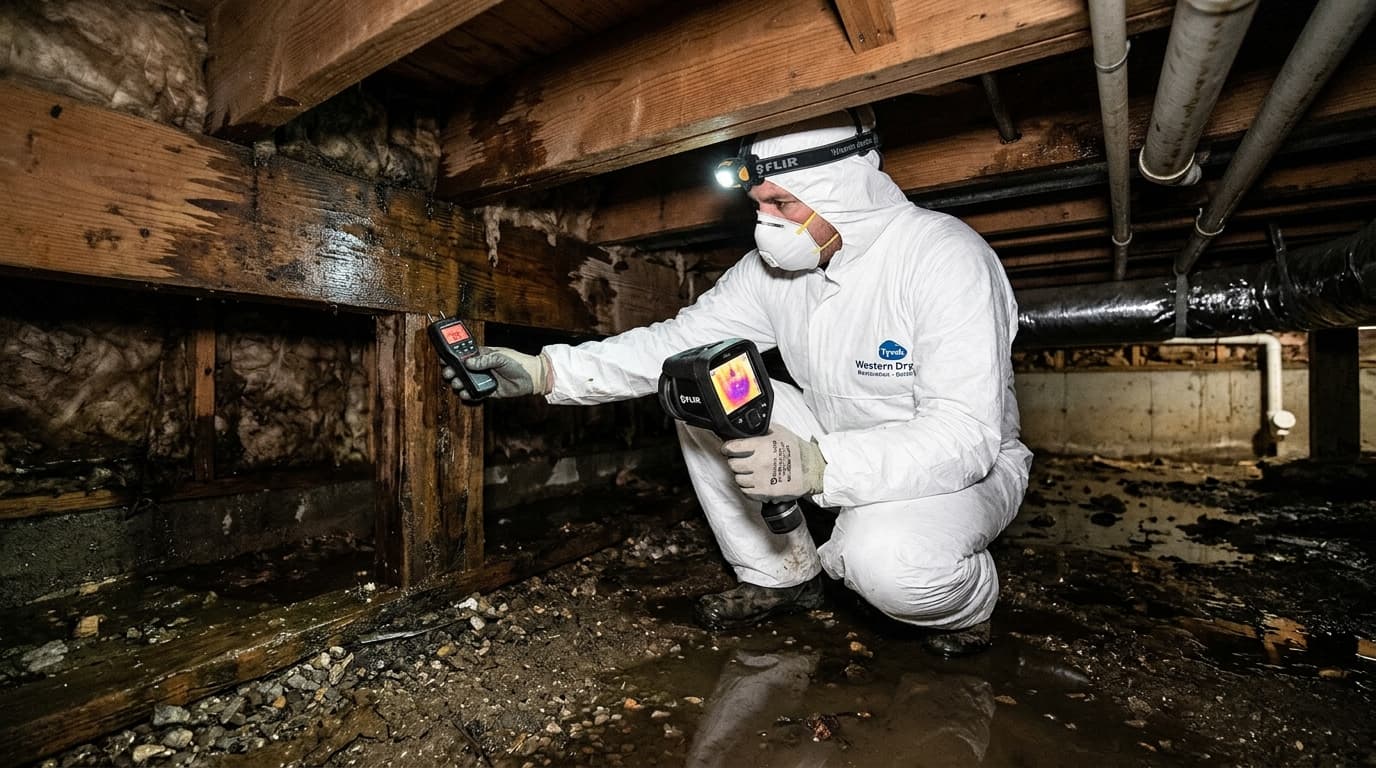
Crawl Space Water Damage Cleanup
Over 65% of Treasure Valley homes feature raised crawl spaces where essential plumbing runs. When pipes freeze, canals seep, or ground moisture rises, water beneath your home rots floor joists and circulates contaminants into your living rooms through the stack effect. Connect with certified crawl space mitigation specialists across Boise, Meridian, Eagle, and Kuna.
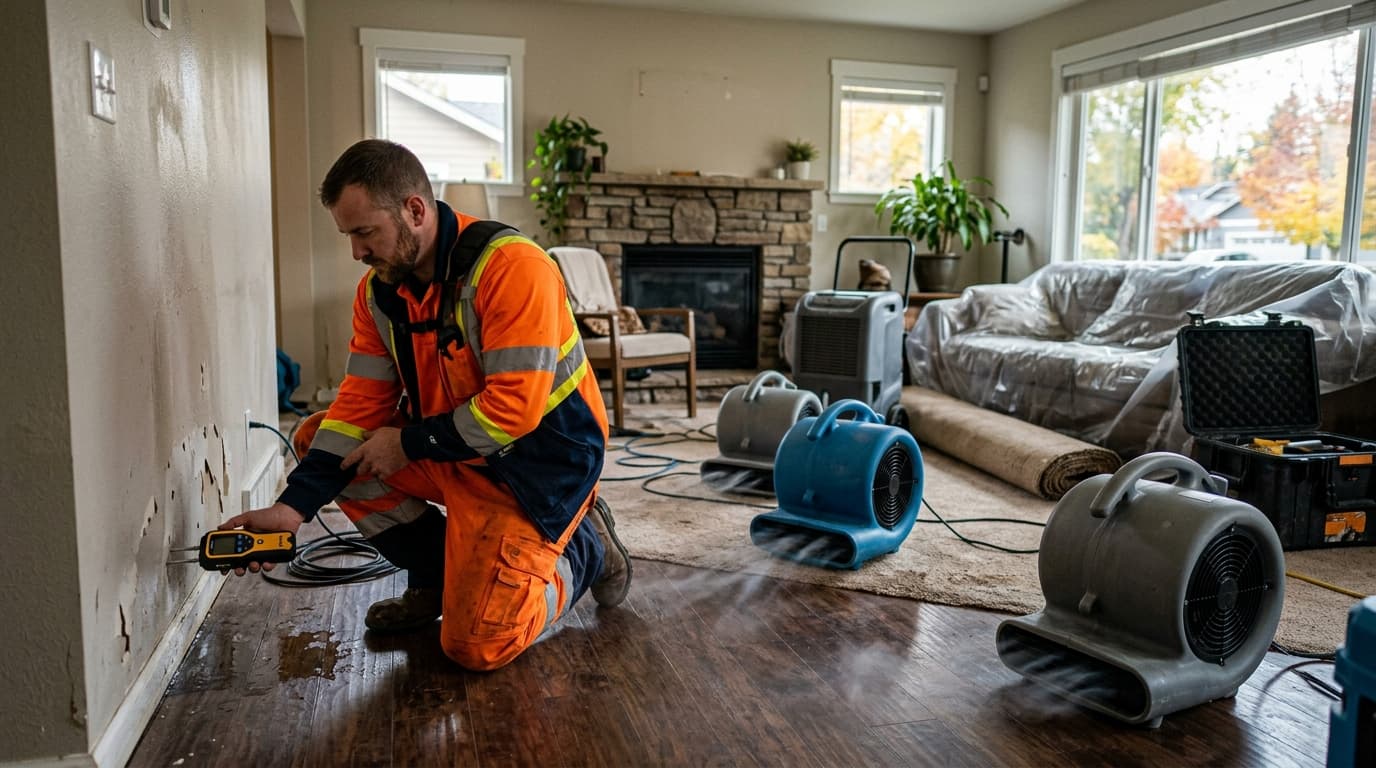
Water Damage Restoration
When water compromises your Boise property, full restoration requires more than removing surface liquid. Our network connects Treasure Valley property owners with technicians who handle diagnostic moisture mapping, controlled material removal, structural psychrometric drying, and antimicrobial sanitization.
Written by Boise Restoration Technical Editorial Team
Winter Freeze Mitigation & Crawl Space SpecialistsOur technical editorial team specializes in seasonal freeze preparedness, crawl space thermal insulation, and rapid emergency pipe burst extraction across southwestern Idaho.
Reviewed for cold-weather building physics, pipe thaw safety protocols, and winter plumbing code compliance.
Sources & References
The factual recommendations, contamination categories, and psychrometric principles in this guide are directly grounded in the following official government disaster protocols and ANSI/IICRC restoration standards:
- 1Preventing Frozen Pipes in Residential BuildingsAmerican Red Cross
- 2Standard for Professional Water Damage Restoration (IICRC S500)Institute of Inspection Cleaning and Restoration Certification
- 3Cold Weather Building Safety & Plumbing CodesInternational Code Council (ICC)
Frequently Asked Questions
Plumbing pipes typically begin to freeze when outside temperatures drop to 20°F or lower for several consecutive hours. Uninsulated pipes in vented crawl spaces or exterior walls can freeze even faster during windy arctic cold fronts.
Continue Learning About Water Damage
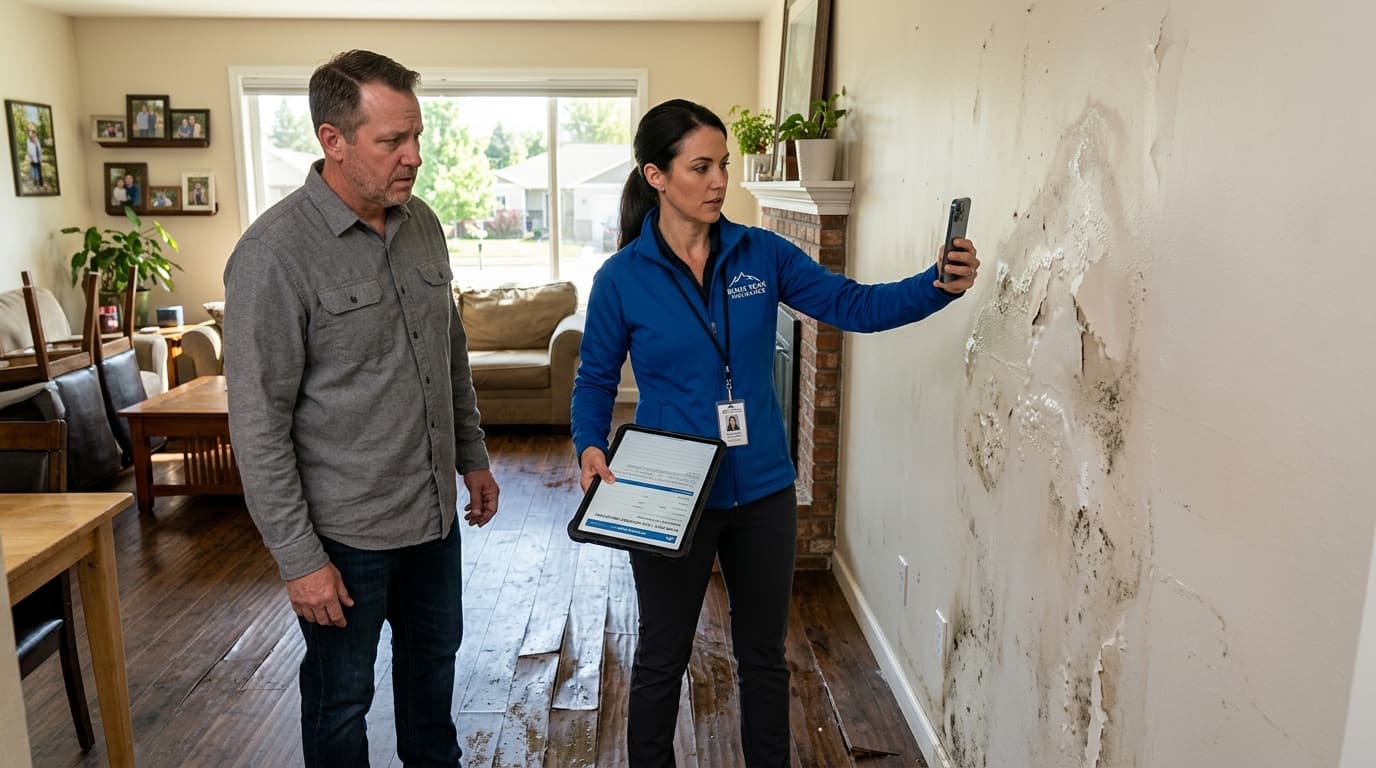
Does Homeowners Insurance Cover Water Damage in Idaho? Complete Claim Guide
When facing thousands in water damage repairs, your first question is: Will insurance pay for this? Here is the exact breakdown of covered vs non-covered water losses under Idaho homeowner policies.
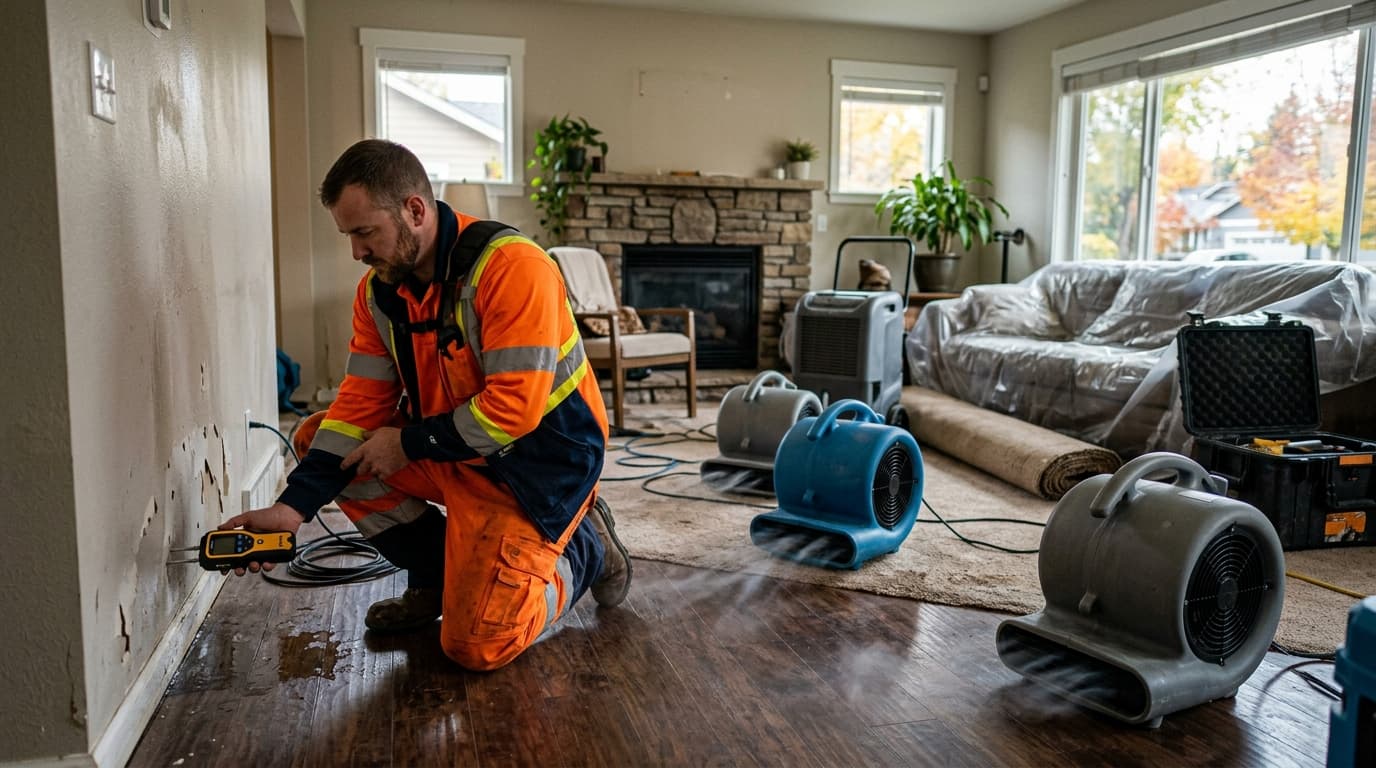
What to Do After Water Damage: A Step-by-Step Emergency Guide
When water intrudes into your living space, the first 24 to 48 hours determine whether your floors, framing, and drywall can be preserved or if destructive mold and rot take hold. Here is the verified emergency recovery sequence from certified restoration specialists.
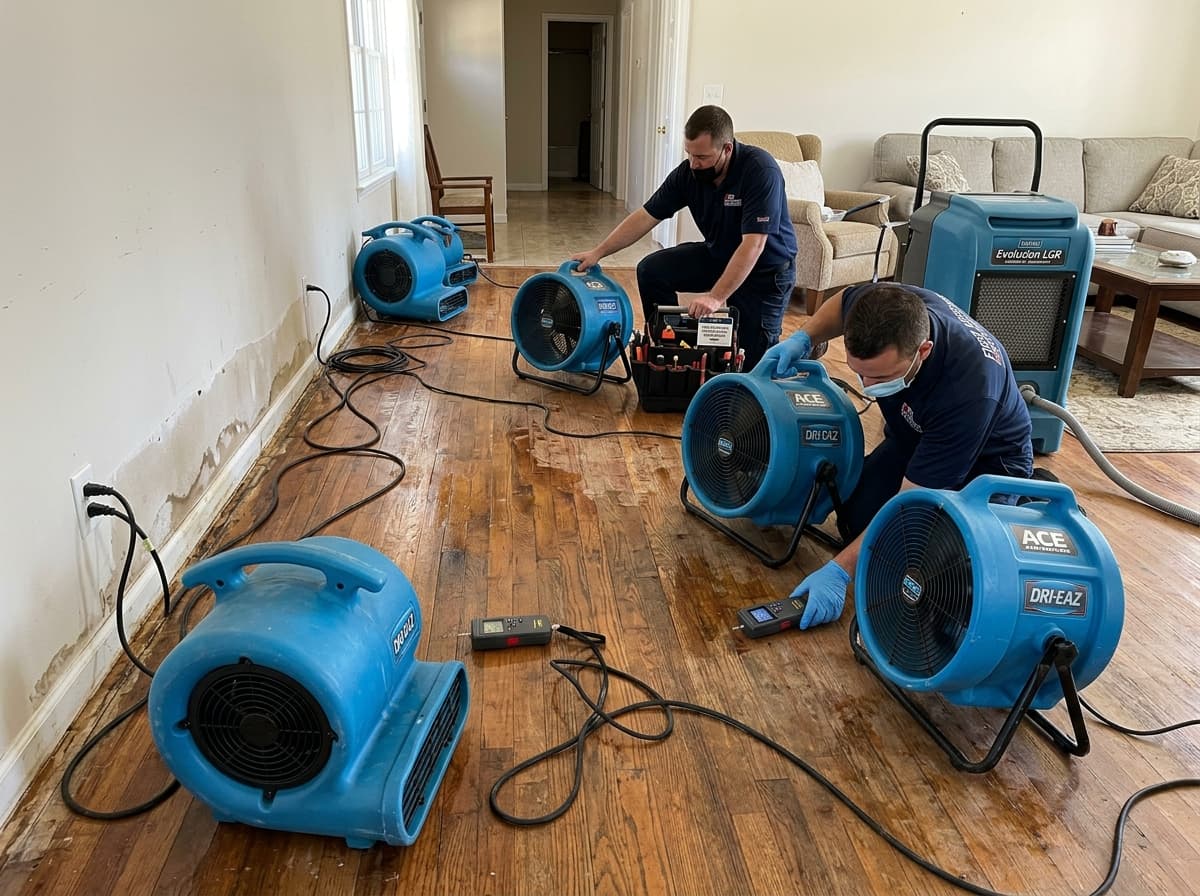
How Long Does Water Damage Take to Dry? Timelines, Science & Factors
While surface water may vanish in 24 hours, deep structural framing, subflooring, and wall cavities require 3 to 5 days under controlled industrial dehumidification. Here is the engineering science behind drying timelines.