
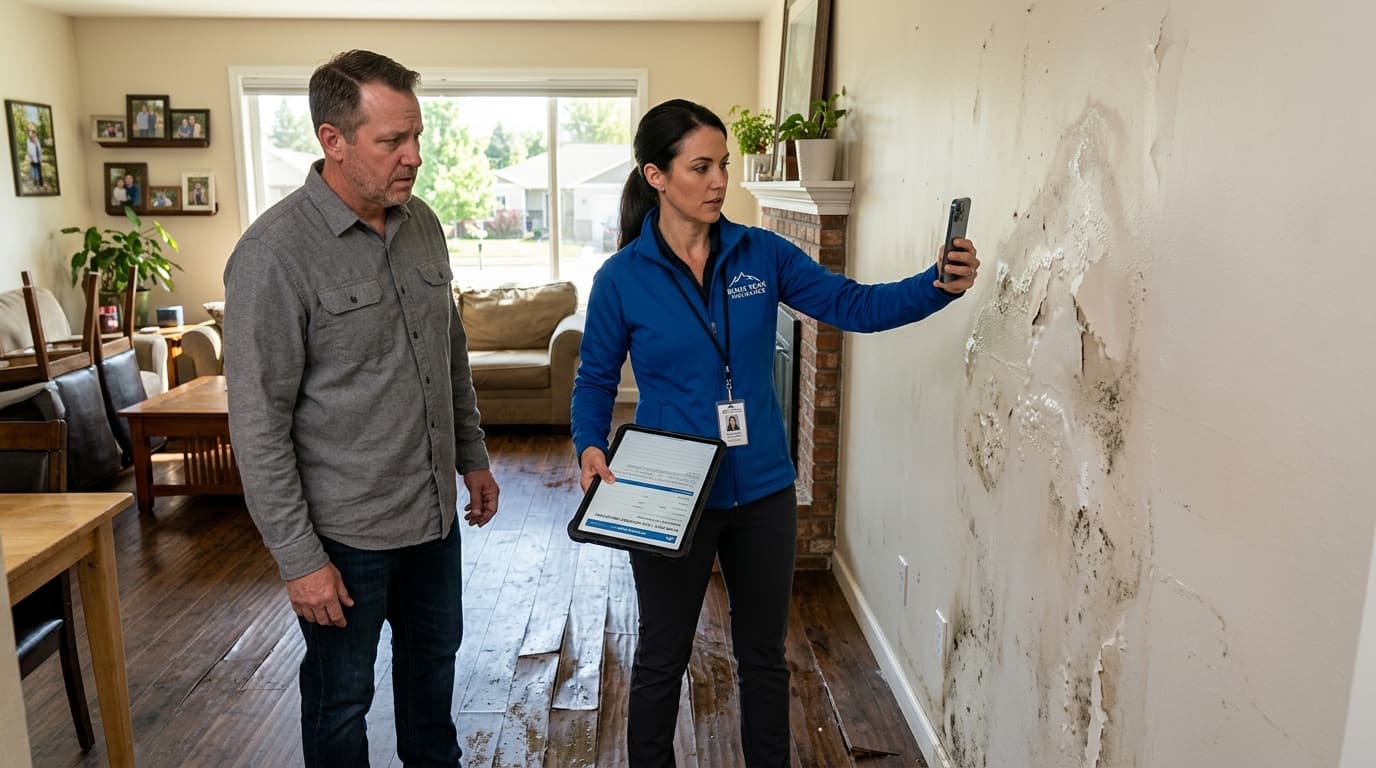
Yes, standard Idaho homeowners insurance (HO-3 and HO-5 policies) covers water damage as long as the event is 'sudden and accidental'—such as a frozen pipe rupture, water heater tank burst, or washing machine hose failure. Insurance typically covers emergency water extraction, structural psychrometric drying, contaminated material tear-out, and rebuild repairs minus your policy deductible. Insurance does NOT cover gradual maintenance neglect (slow leaks over months) or rising outdoor floodwaters unless you carry a separate flood policy.
- The 'Sudden & Accidental' Rule: Pipe bursts, appliance ruptures, and accidental overflows are generally covered.
- Gradual Leaks Excluded: Continuous drips over weeks or deferred maintenance issues are routinely denied.
- Deductibles: Homeowners typically pay their policy deductible; your carrier covers approved mitigation costs beyond that.
- Sewer Backup Endorsement: Drain and sewer overflows require a specific optional policy rider.
- Documentation: Restorers submit daily digital psychrometric logs and itemized scoping to your adjuster.
1. Covered vs. Non-Covered Water Damage in Idaho
The language in standard ISO homeowner policies hinges on whether the water intrusion occurred abruptly without prior warning, or was the result of long-term deterioration.
In Southwest Idaho, sub-zero winter temperatures, hard water sediment, and appliance age cause regular plumbing failures. Here is how adjusters categorize the most frequent water loss events:
Idaho Water Damage Insurance Coverage Matrix
| Water Loss Scenario | Standard Coverage Status | Requirements & Notes |
|---|---|---|
Burst Frozen Pipe in Crawl Space Includes water extraction, joist drying, and plumbing repair access. | Fully Covered | Covered if heat was maintained in the home (minimum 55°F). |
Water Heater Tank Rupture (40–50 Gal) Resulting water damage is covered even if the tank failed due to age. | Fully Covered | Covers water cleanup and structural drying (replacement heater may vary). |
Washing Machine / Ice Maker Hose Split Must have occurred suddenly; braided stainless lines are recommended. | Fully Covered | Covers floors, drywall, cabinetry, and structural drying. |
Main Sewer Line Backup into Tub/Toilet Very common in older Boise Bench and North End neighborhoods. | Optional Endorsement Required | Requires 'Water Backup and Sump Overflow' rider endorsement. |
Slow Drip Under Bathroom Vanity (Months) If wood rot and black mold developed over months, coverage is excluded. | Denied (Gradual Loss) | Excluded as preventable homeowner maintenance neglect. |
Boise River / Canal Spring Flood Rising surface water entering from outside is excluded under standard HO-3. | Denied Under Standard Policy | Requires a separate FEMA National Flood Insurance Program (NFIP) policy. |
2. The Step-by-Step Insurance Claim Workflow
Knowing how to initiate your claim ensures you receive timely approvals and full compensation for all structural losses.
Follow these steps immediately after securing the scene and shutting off water:
Adjuster Communication Tip
Use precise terminology when describing the loss. Say 'sudden water leak' or 'accidental pipe break'. Avoid using the word 'flood' unless dealing with rising river water, as insurers use 'flood' strictly for outdoor rising water events.
Stop the Source & Prevent Secondary Destruction
Your policy requires you to take reasonable steps to prevent further damage.
- Shut off the water valve immediately.
- Contact a certified emergency restoration contractor for rapid water pumping.
- Failure to mitigate standing water can lead to partial denial for preventable mold.
Photograph and Film Everything
Document before anything is altered or discarded.
- Take high-resolution video of water pooling across baseboards, cabinets, and carpets.
- Take close-up photos of ruined personal belongings with serial numbers and brands.
- Photograph the broken pipe or failed plumbing fitting.
File the First Notice of Loss (FNOL)
Call your insurance carrier's 24/7 claims intake phone line.
- State clearly: 'I experienced a sudden and accidental water leak from a burst pipe/appliance.'
- Obtain your claim number and the direct contact info of your assigned desk adjuster.
Independent Moisture Mapping & Scoping
Certified technicians document structural saturation with calibrated meters.
- Thermal cameras reveal hidden water trapped behind drywall and under tile.
- Daily moisture logs prove to the adjuster why dehumidifiers and air movers are required.
Xactimate Estimate Submission & Direct Billing
Restoration costs are billed directly to your insurance carrier.
- Our network uses Xactimate—the exact same estimating platform used by 99% of adjusters.
- You are only responsible for paying your deductible to the contractor.
3. Understanding Deductibles & Restoration Scoping
Homeowners often wonder how restoration scoping and insurance settlements interact. Standardized software establishes clear guidelines.
Professional restoration contractors in Idaho utilize industry-standard estimating databases that reference regional labor rates, equipment use, and disposal guidelines across Ada and Canyon Counties.
Your primary financial responsibility is typically limited to your agreed policy deductible, while approved mitigation and structural drying are evaluated under your property coverage terms.
Emergency mitigation services are commonly processed under the dwelling protection section of your policy, ensuring immediate extraction can proceed to prevent secondary mold.
Facing Water Damage and an Insurance Claim in Boise?
Connect with experienced local restoration contractors who provide comprehensive moisture logs and physical damage assessments for your adjuster.
Related Water Restoration Services in Boise
Water Damage Restoration
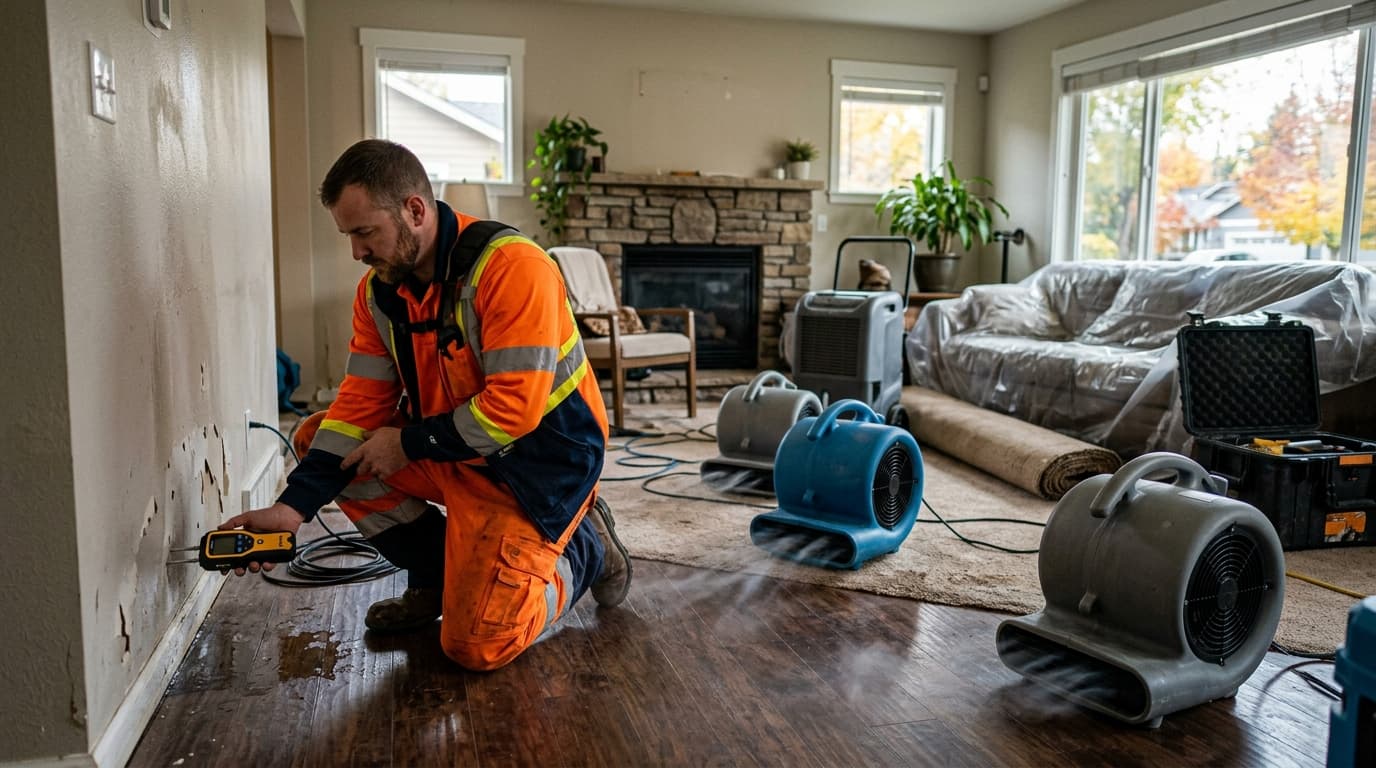
When water compromises your Boise property, full restoration requires more than removing surface liquid. Our network connects Treasure Valley property owners with technicians who handle diagnostic moisture mapping, controlled material removal, structural psychrometric drying, and antimicrobial sanitization.
Burst Pipe Water Damage
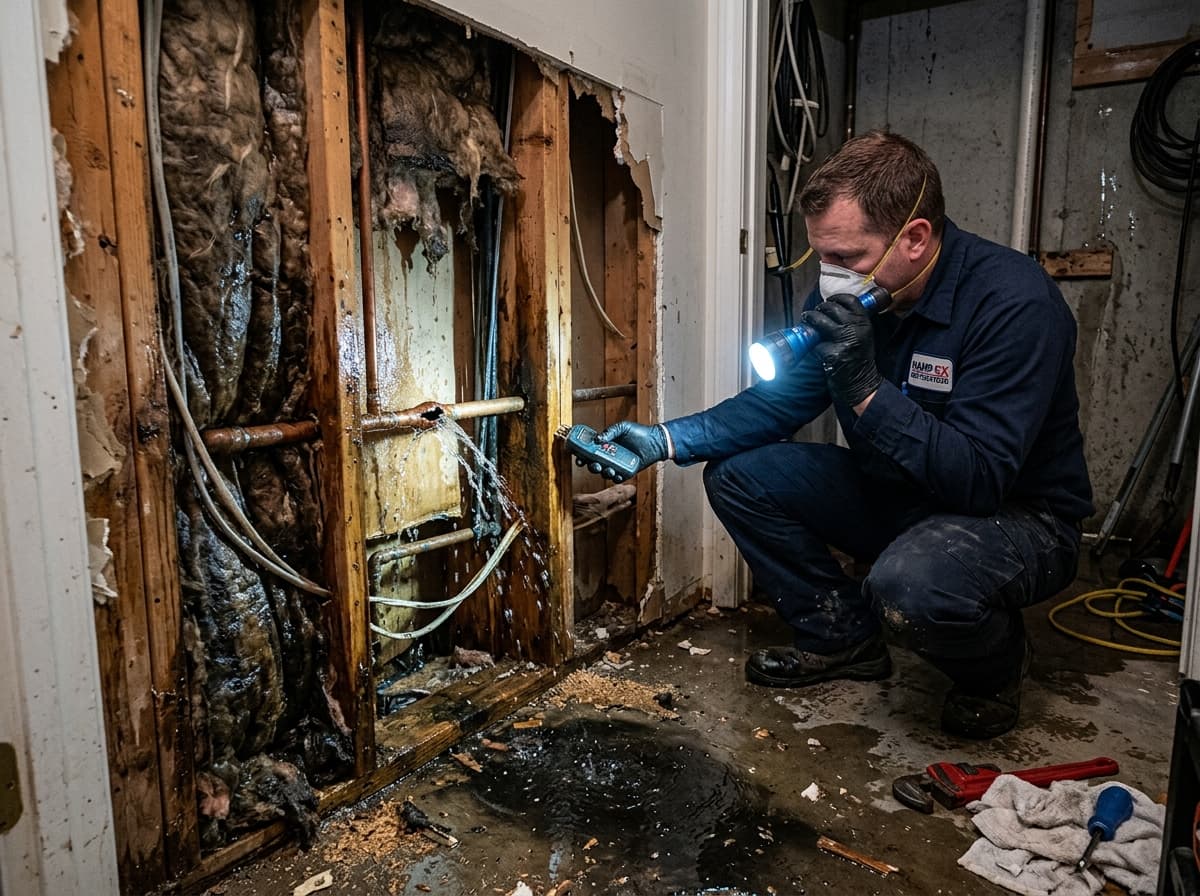
During Boise winter freezes, sub-freezing temperatures penetrate uninsulated crawlspaces, exterior walls, and attics, causing copper and PEX lines to burst under high pressure. When the thaw hits, hundreds of gallons pour into living spaces. Connect with local emergency pipe restoration crews immediately.
Crawl Space Water Damage Cleanup
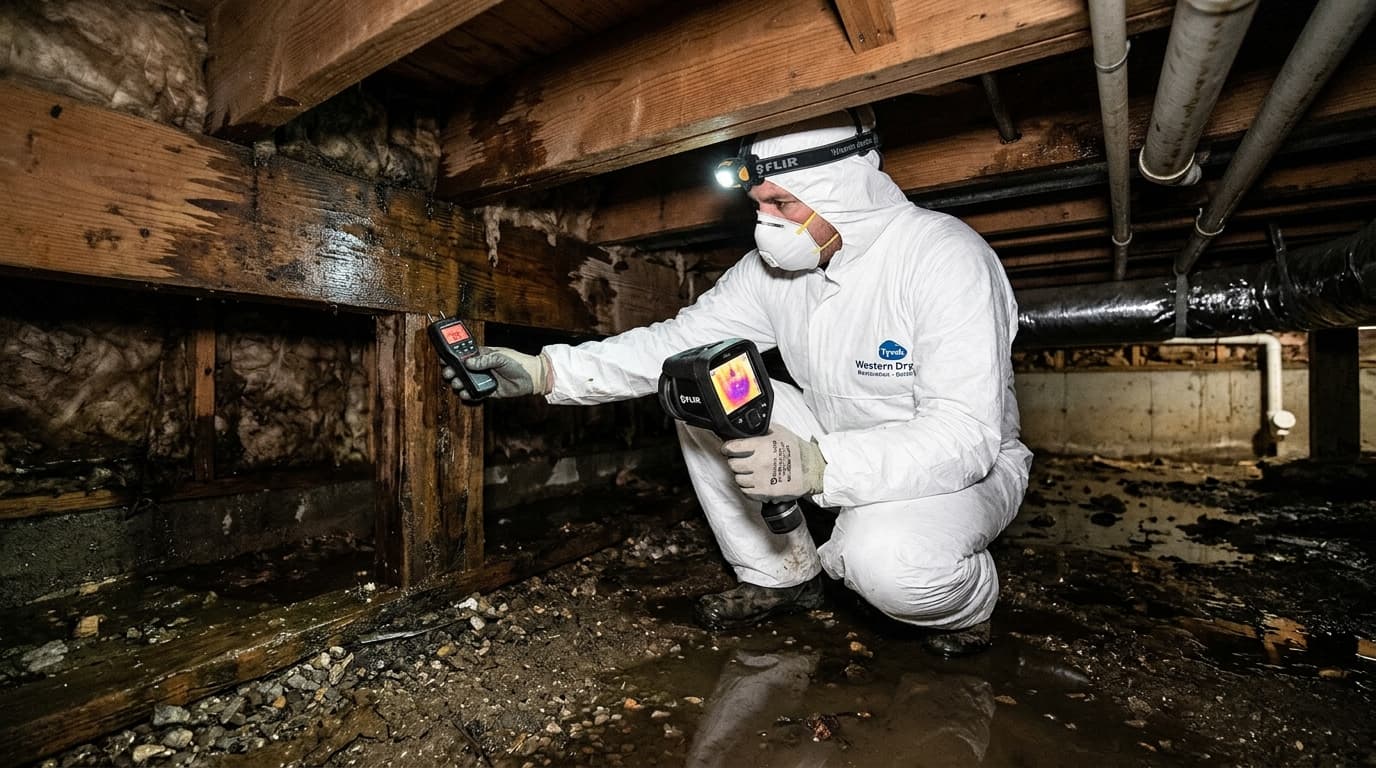
Over 65% of Treasure Valley homes feature raised crawl spaces where essential plumbing runs. When pipes freeze, canals seep, or ground moisture rises, water beneath your home rots floor joists and circulates contaminants into your living rooms through the stack effect. Connect with certified crawl space mitigation specialists across Boise, Meridian, Eagle, and Kuna.
Written by Boise Restoration Technical Editorial Team
Restoration Estimating & Insurance Subrogation SpecialistsOur technical team has reviewed and processed hundreds of property insurance claims across Ada and Canyon counties, working alongside State Farm, Farmers, Liberty Mutual, Allstate, and Travelers.
Reviewed for insurance policy terminology, Idaho Department of Insurance compliance, and itemized estimating accuracy.
Sources & References
The factual recommendations, contamination categories, and psychrometric principles in this guide are directly grounded in the following official government disaster protocols and ANSI/IICRC restoration standards:
- 1Consumer Guide to Homeowners Insurance & Water ClaimsIdaho Department of Insurance
- 2Standard for Professional Water Damage Restoration (IICRC S500)Institute of Inspection Cleaning and Restoration Certification
- 3Property Claim Estimating StandardsVerisk Xactware / Xactimate
Frequently Asked Questions
Yes. Pipe bursts from sub-zero winter freezes or sudden pressure surges are classic examples of covered 'sudden and accidental' losses under standard Idaho homeowner policies, provided the home was kept heated.
Continue Learning About Water Damage
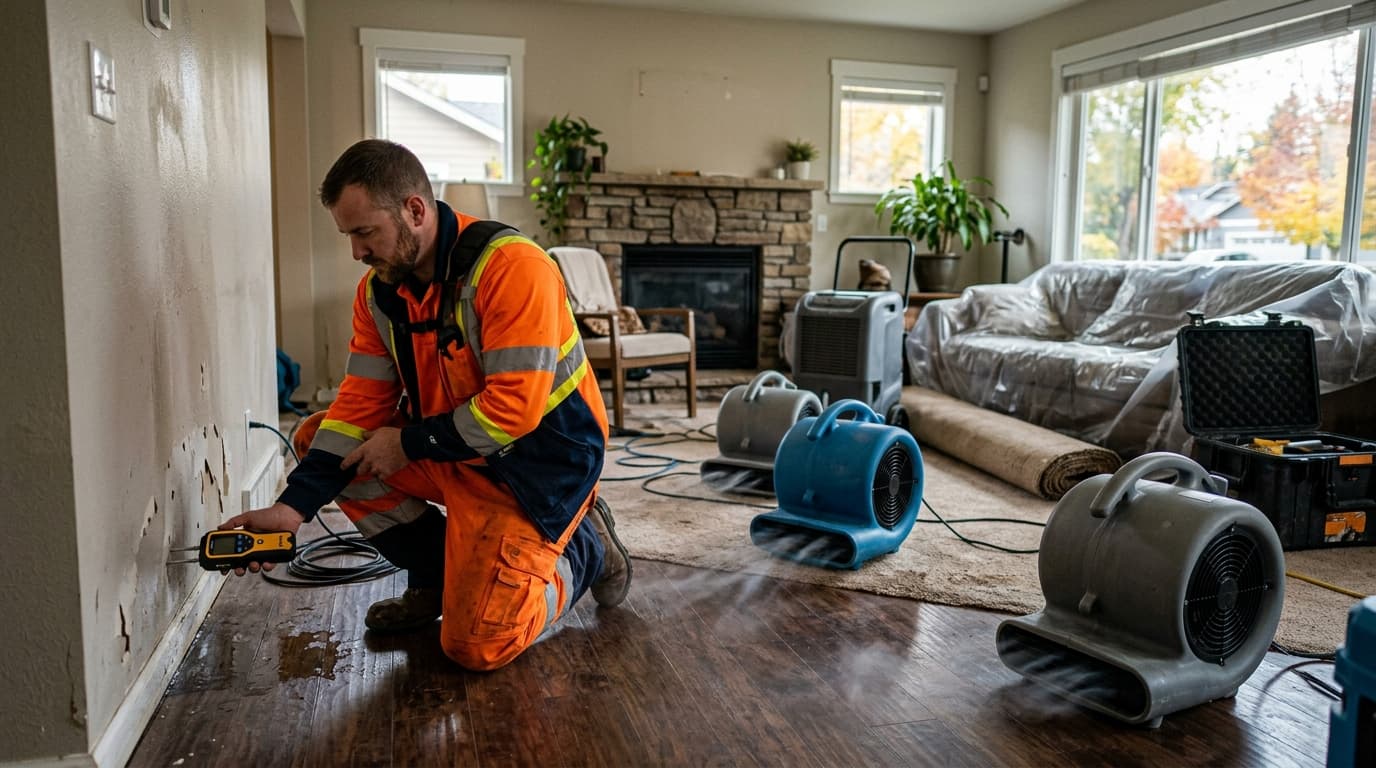
What to Do After Water Damage: A Step-by-Step Emergency Guide
When water intrudes into your living space, the first 24 to 48 hours determine whether your floors, framing, and drywall can be preserved or if destructive mold and rot take hold. Here is the verified emergency recovery sequence from certified restoration specialists.
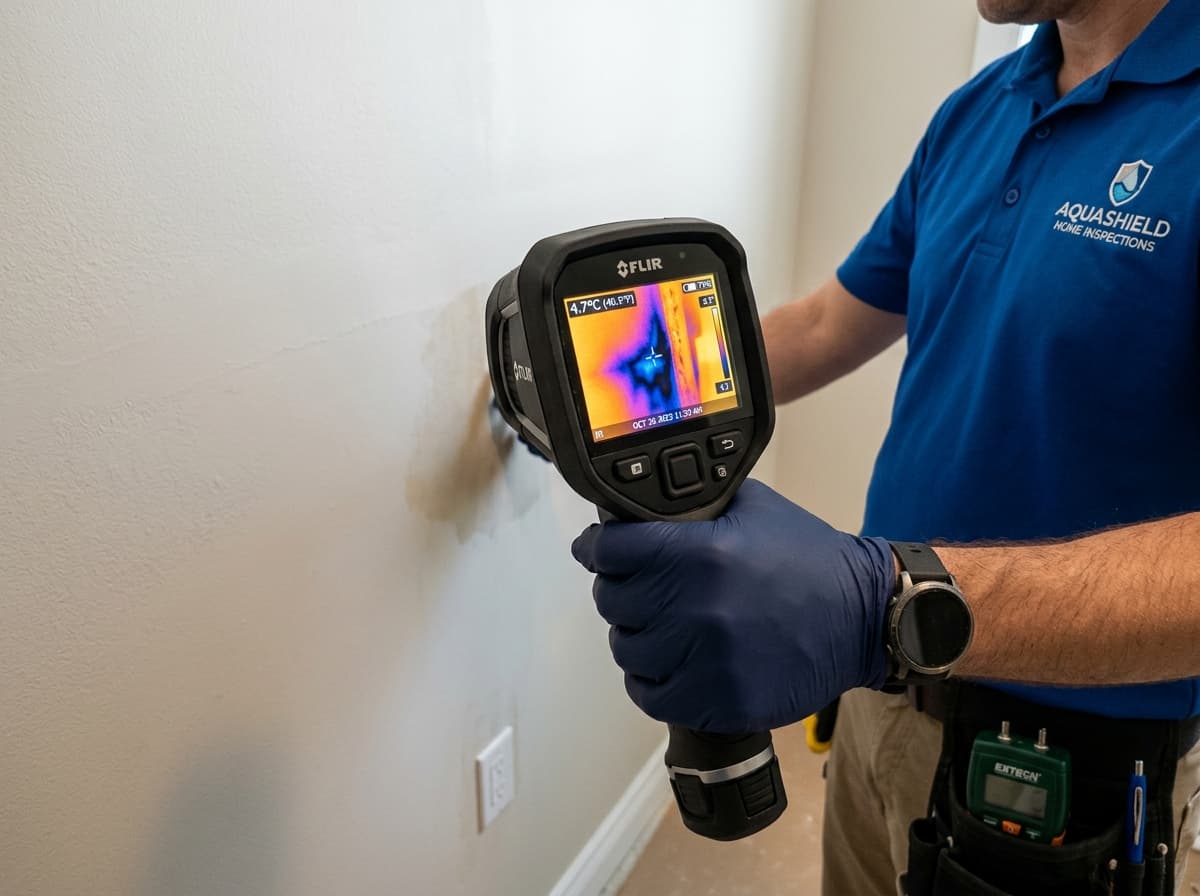
Signs of Water Damage in Walls: How to Detect Hidden Moisture
Water leaks inside wall cavities often remain concealed until peeling paint, warped baseboards, or persistent musty odors reveal hidden moisture. Here is how to diagnose wall leaks before mold and structural rot take hold.
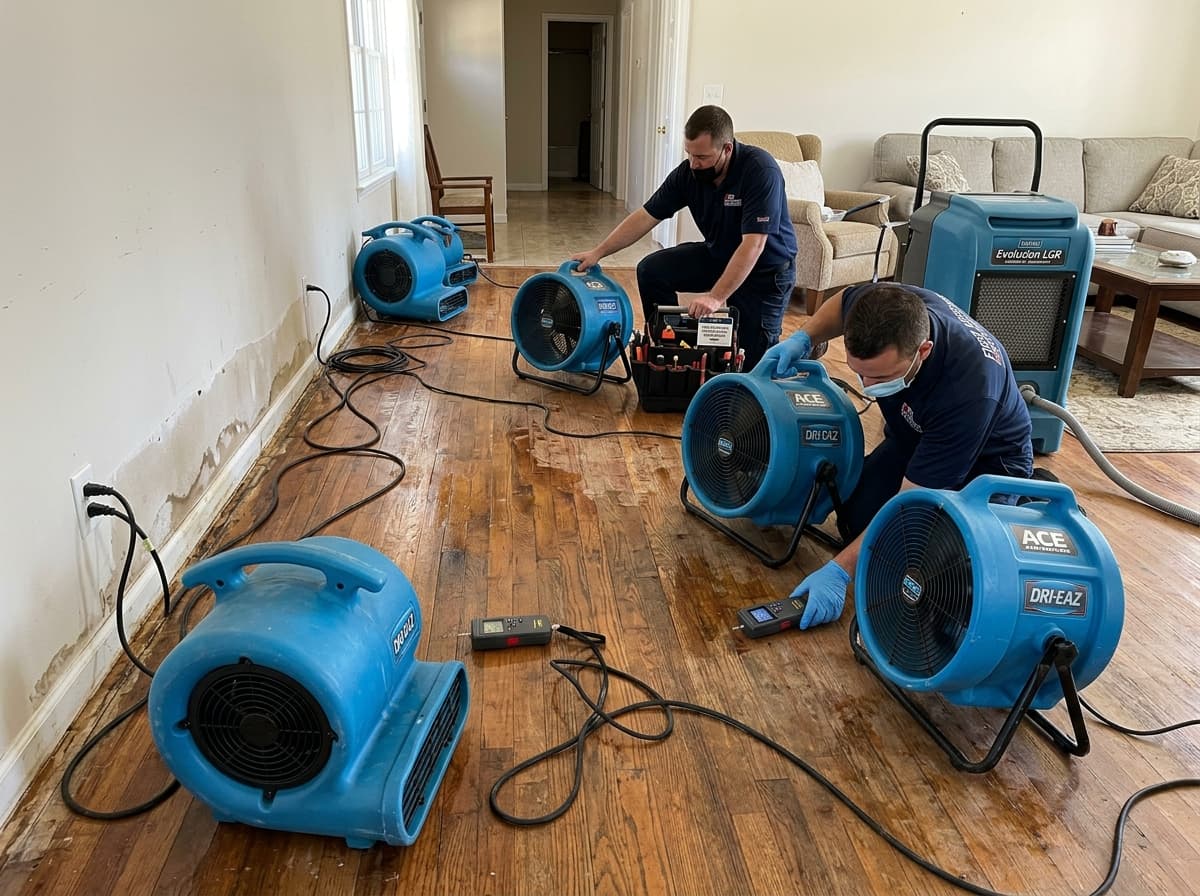
How Long Does Water Damage Take to Dry? Timelines, Science & Factors
While surface water may vanish in 24 hours, deep structural framing, subflooring, and wall cavities require 3 to 5 days under controlled industrial dehumidification. Here is the engineering science behind drying timelines.