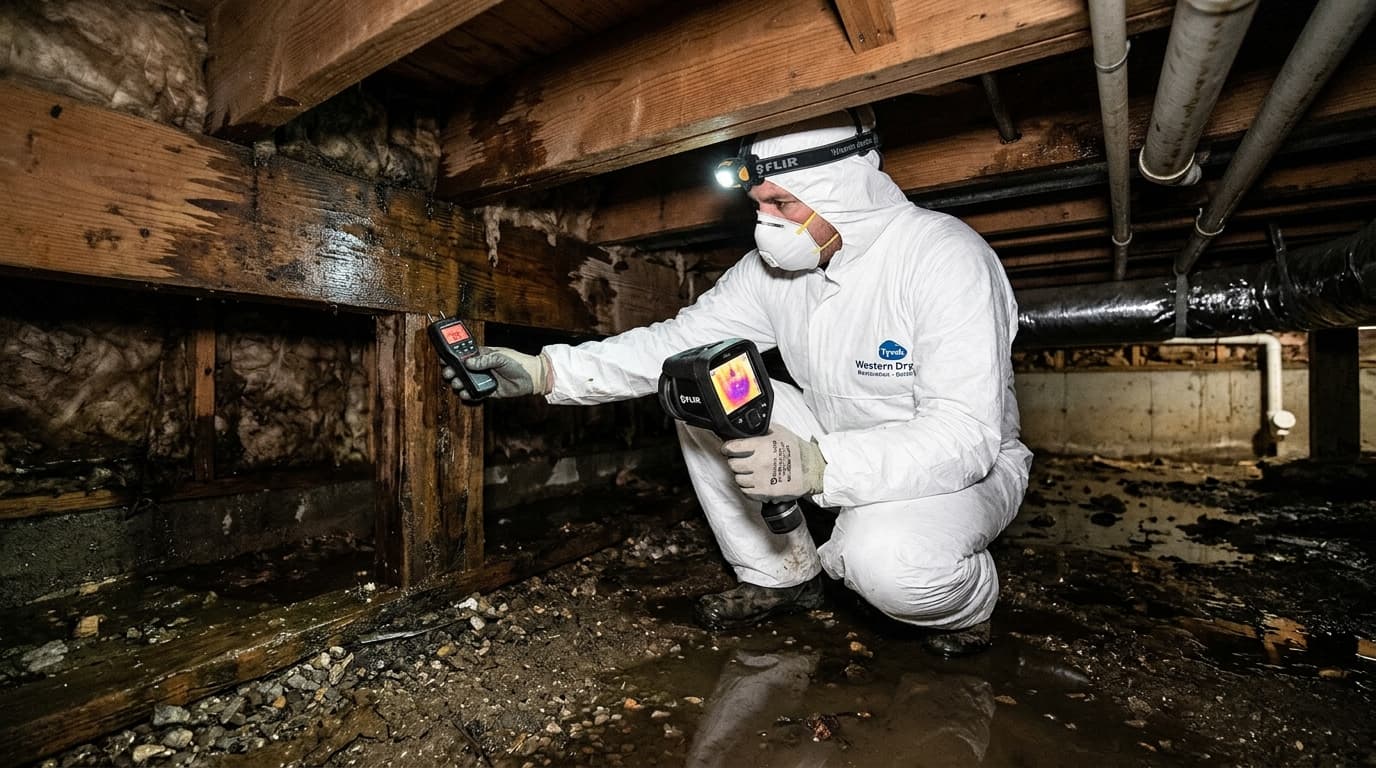
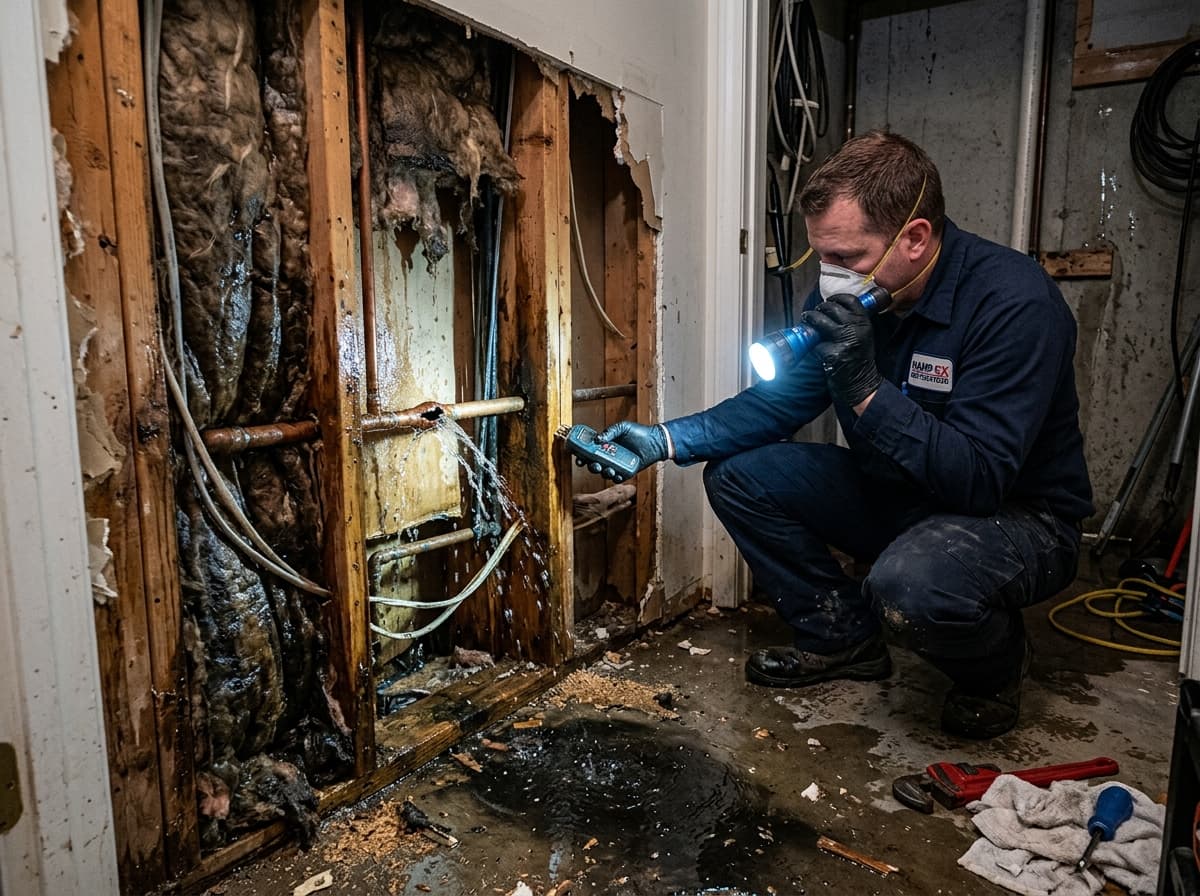
In Southwest Idaho, crawl spaces represent one of the most vulnerable zones of residential construction. Plumbing supply lines, drain stacks, and HVAC ductwork run beneath the subfloor. When a sub-zero winter freeze strikes or spring canal irrigation elevates the local water table, standing water quickly accumulates on the ground soil.
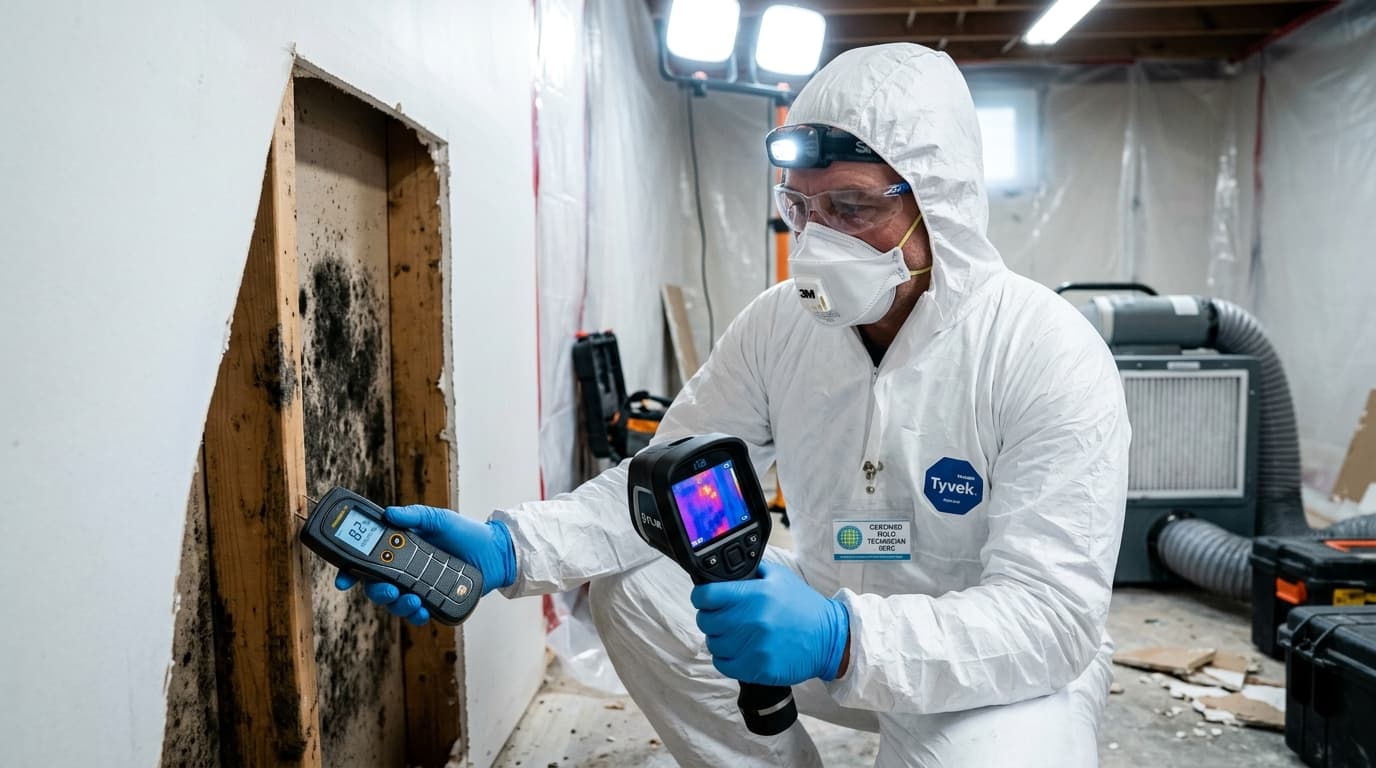
Due to the building physics known as the 'Stack Effect,' warm air rising through your home draws up to 50% of its air volume directly from the crawl space. When standing water, saturated fiberglass insulation, and soil moisture are neglected, toxic mold spores, bacterial odors, and high humidity permeate your living areas, aggravating allergies and respiratory conditions.
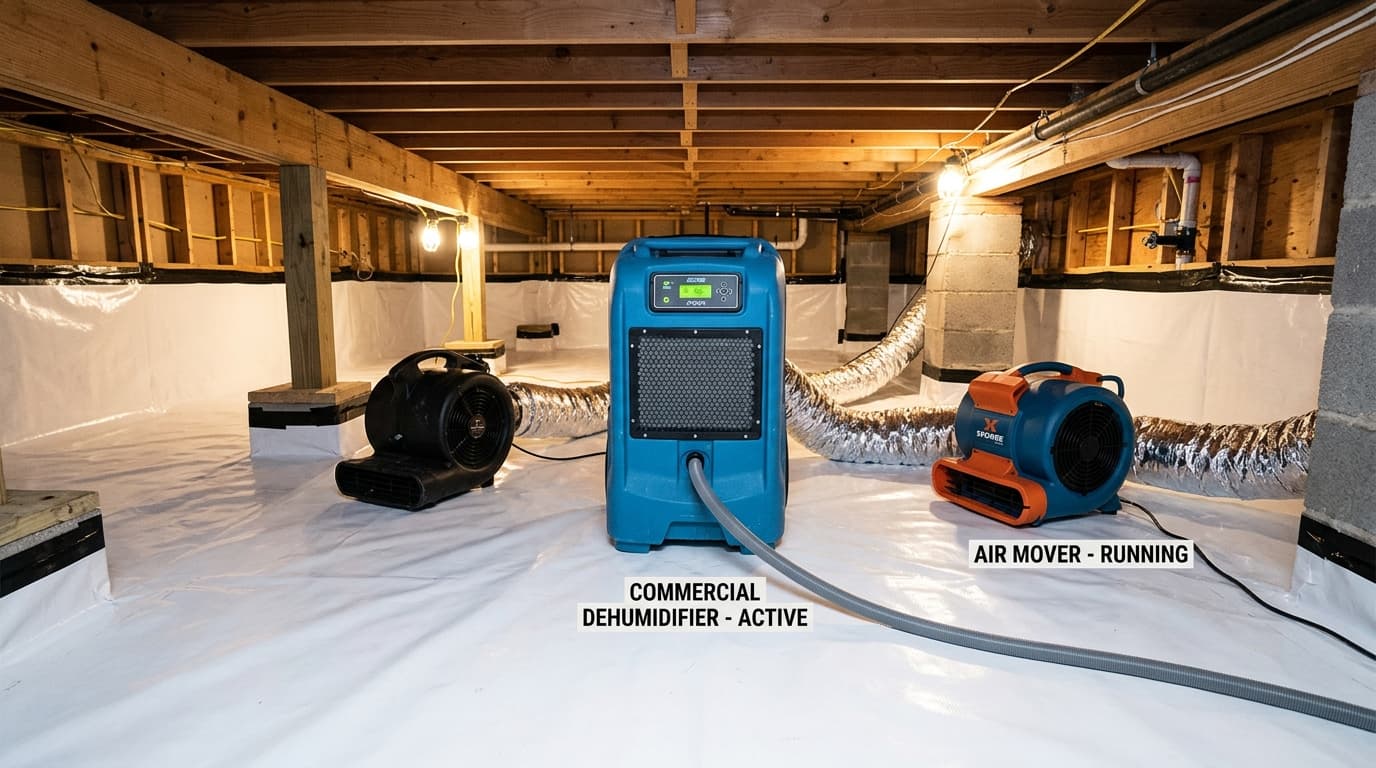
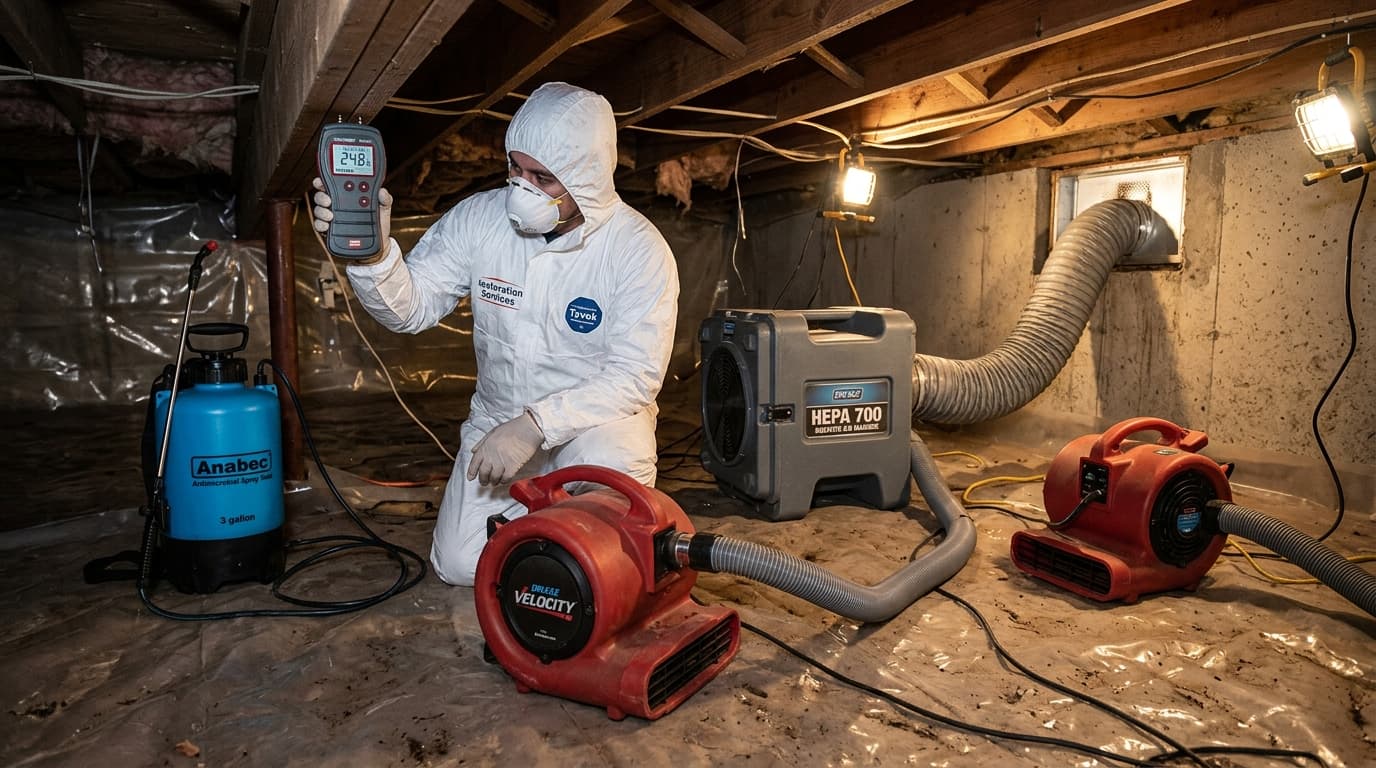
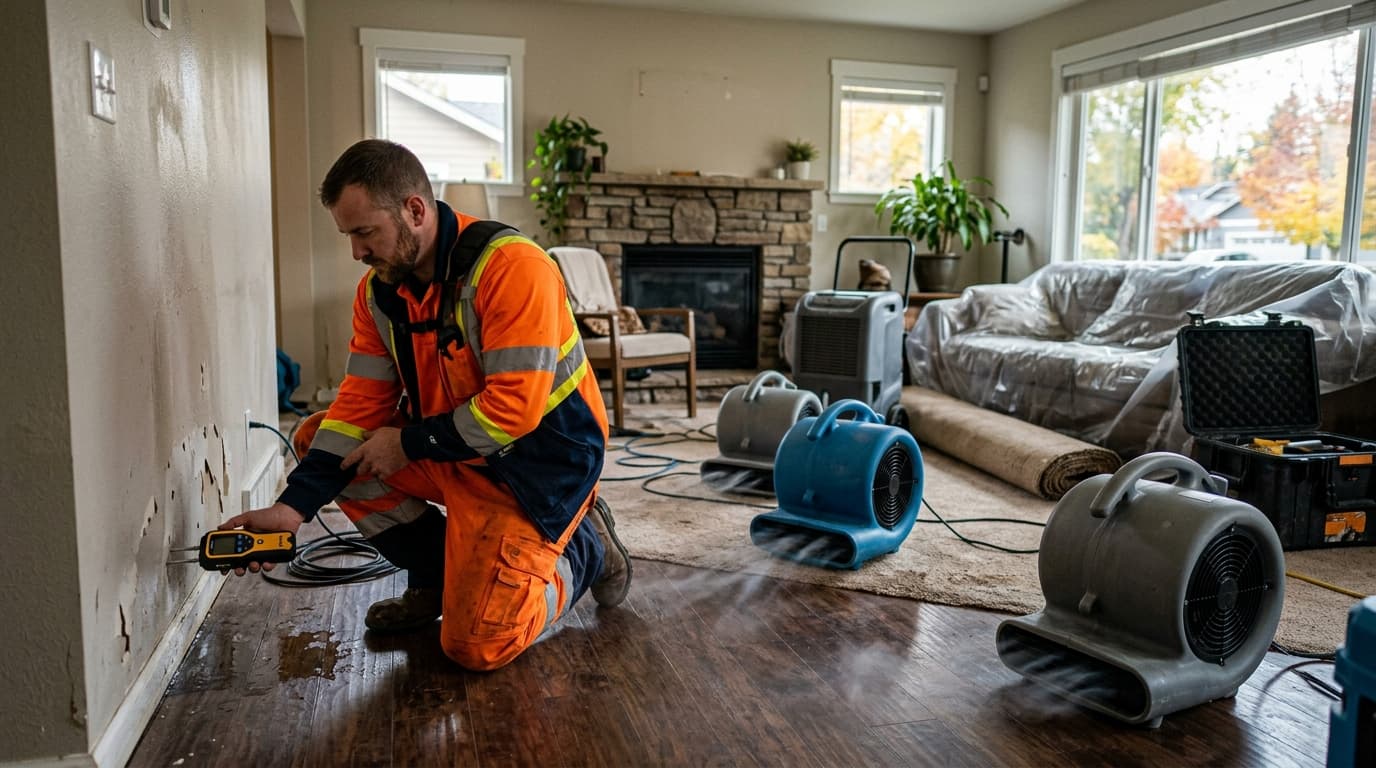
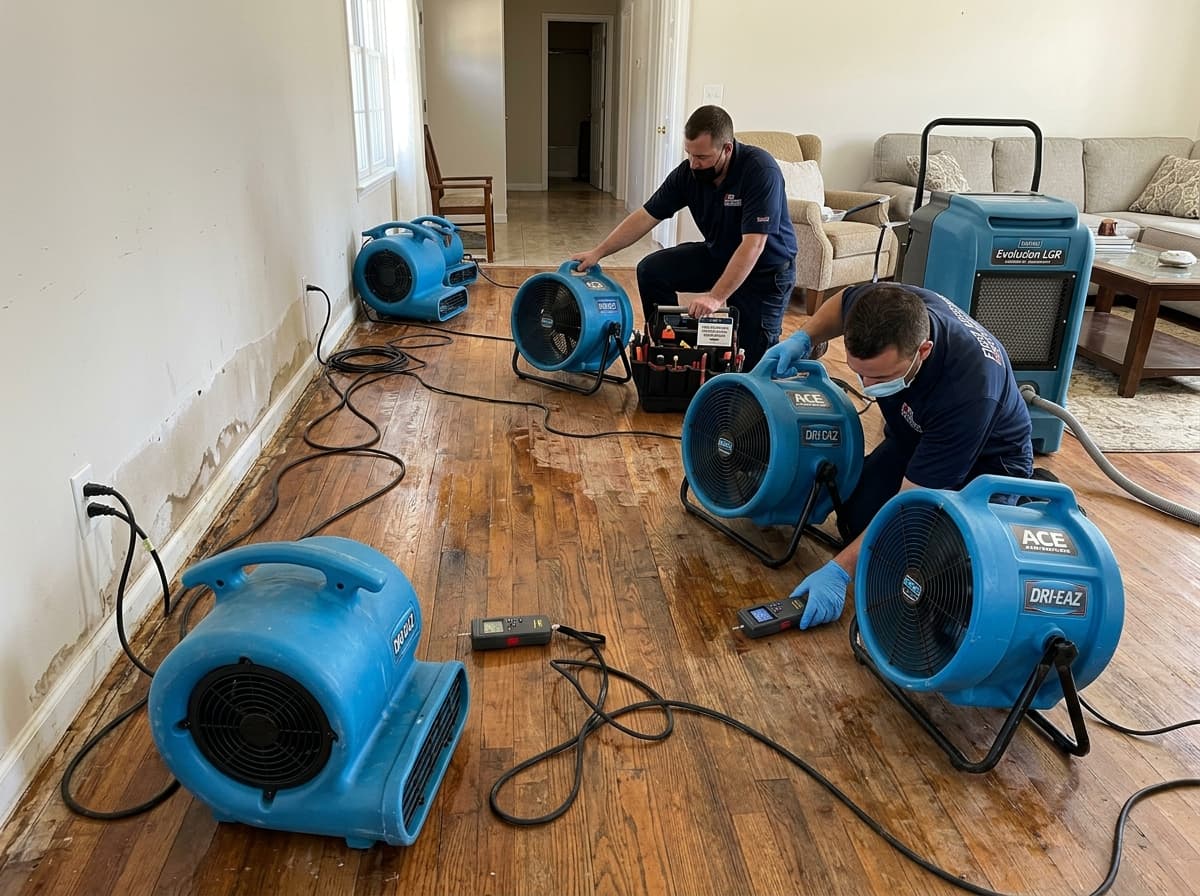
Prolonged moisture in a crawl space causes wood-decay fungi (dry rot) to break down the structural cellulose in floor joists, main carrying beams, and subfloor sheathing. Professional mitigation requires rapid extraction, removal of compromised insulation, antimicrobial timber treatment, deep structural drying, and installation of a durable 10-mil vapor barrier.