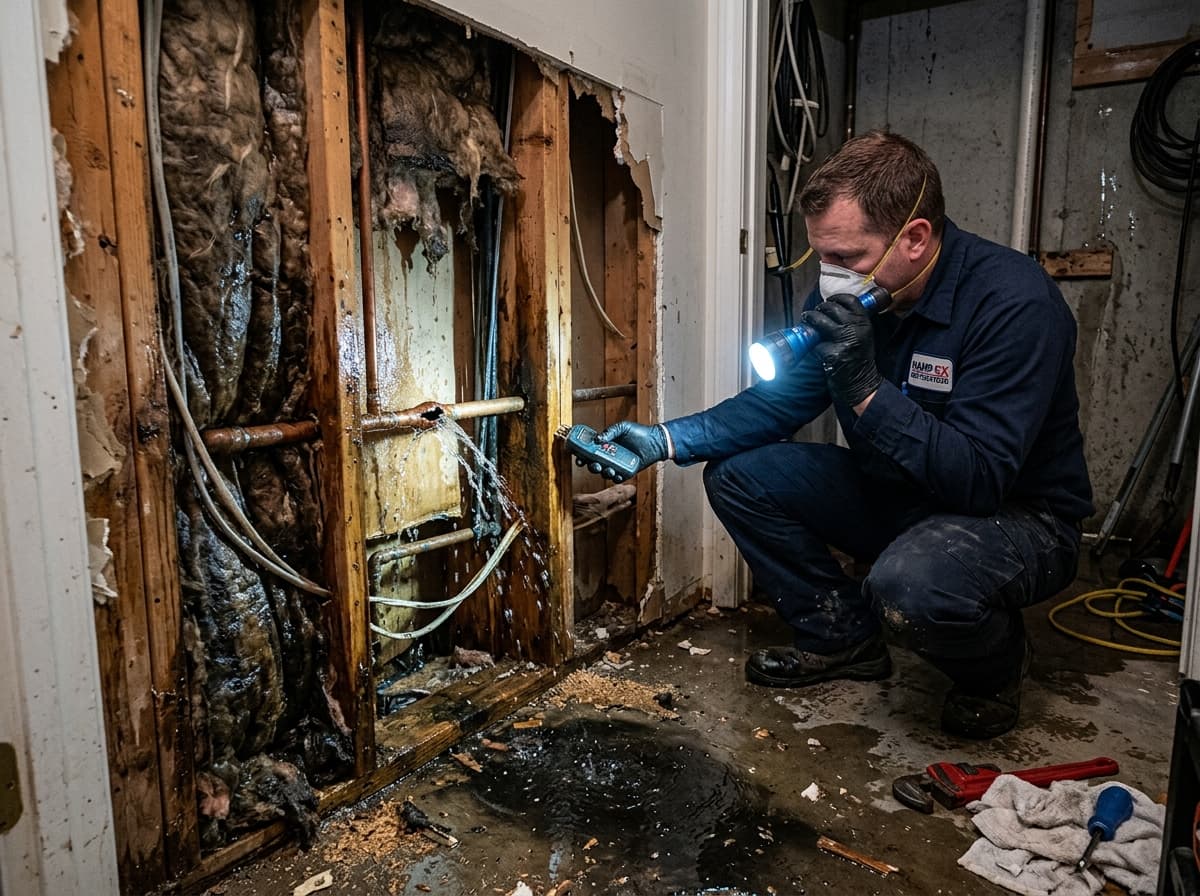
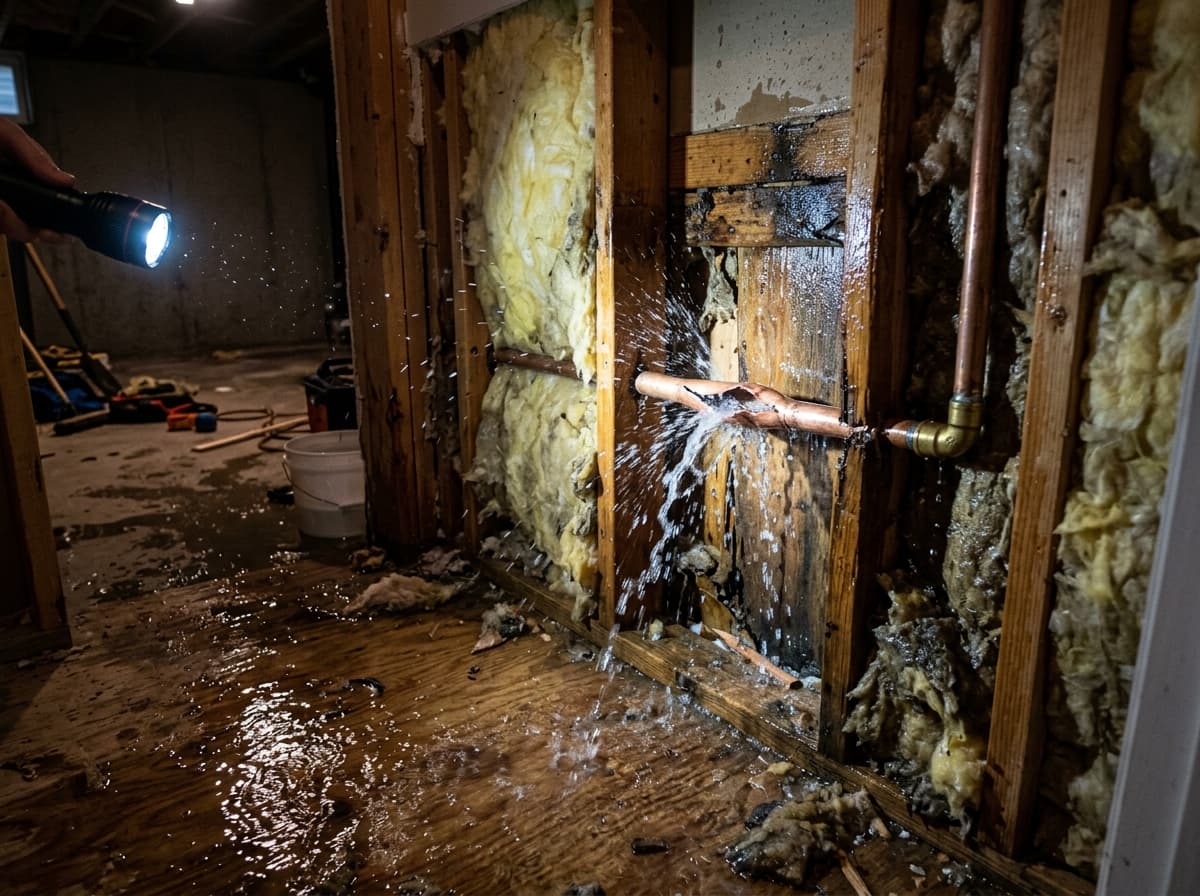
A burst pipe is among the most destructive water events a property owner can experience. Because residential plumbing lines are pressurized at 40 to 80 pounds per square inch (PSI), a ruptured line can release between 400 to 1,000 gallons of water per hour. When ruptures occur inside wall cavities, attics, or ceiling spaces, water cascades across multiple floor levels before the main shutoff is turned.
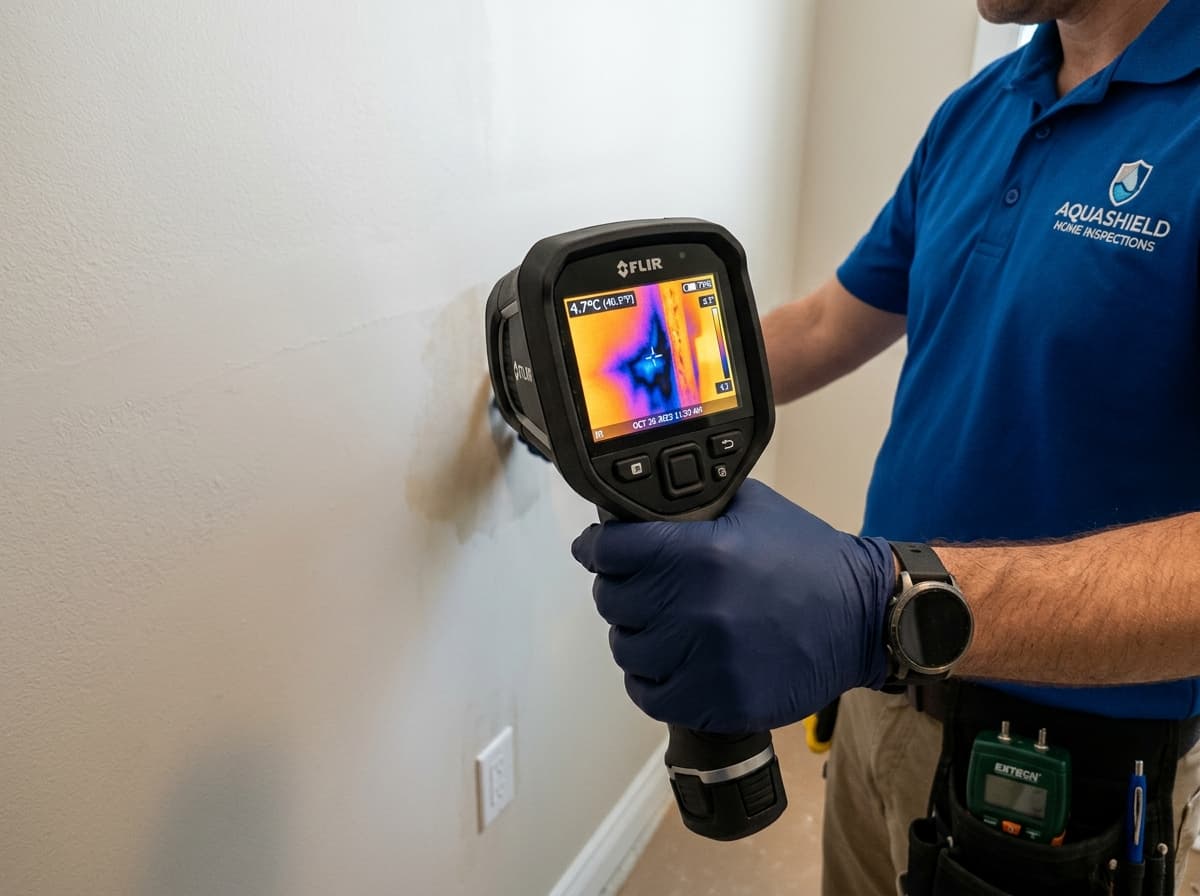
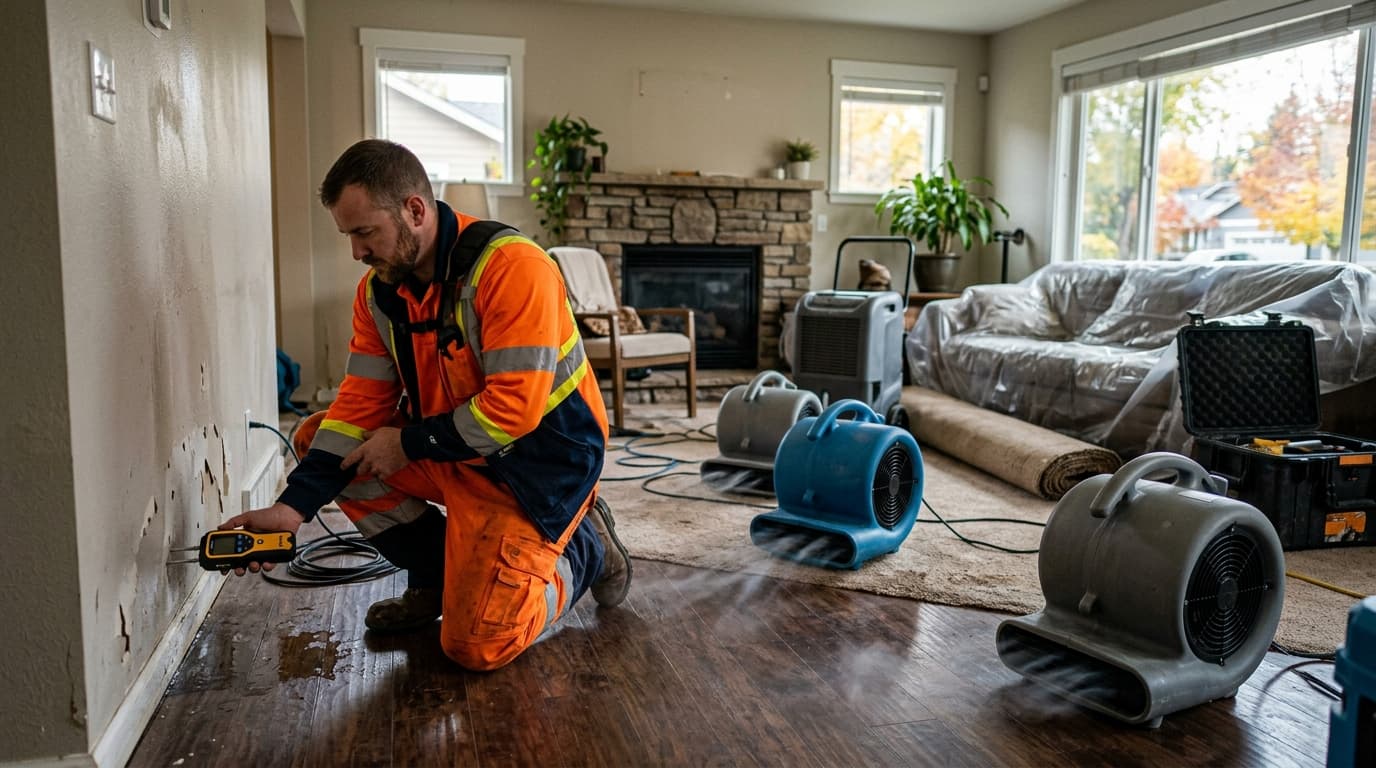
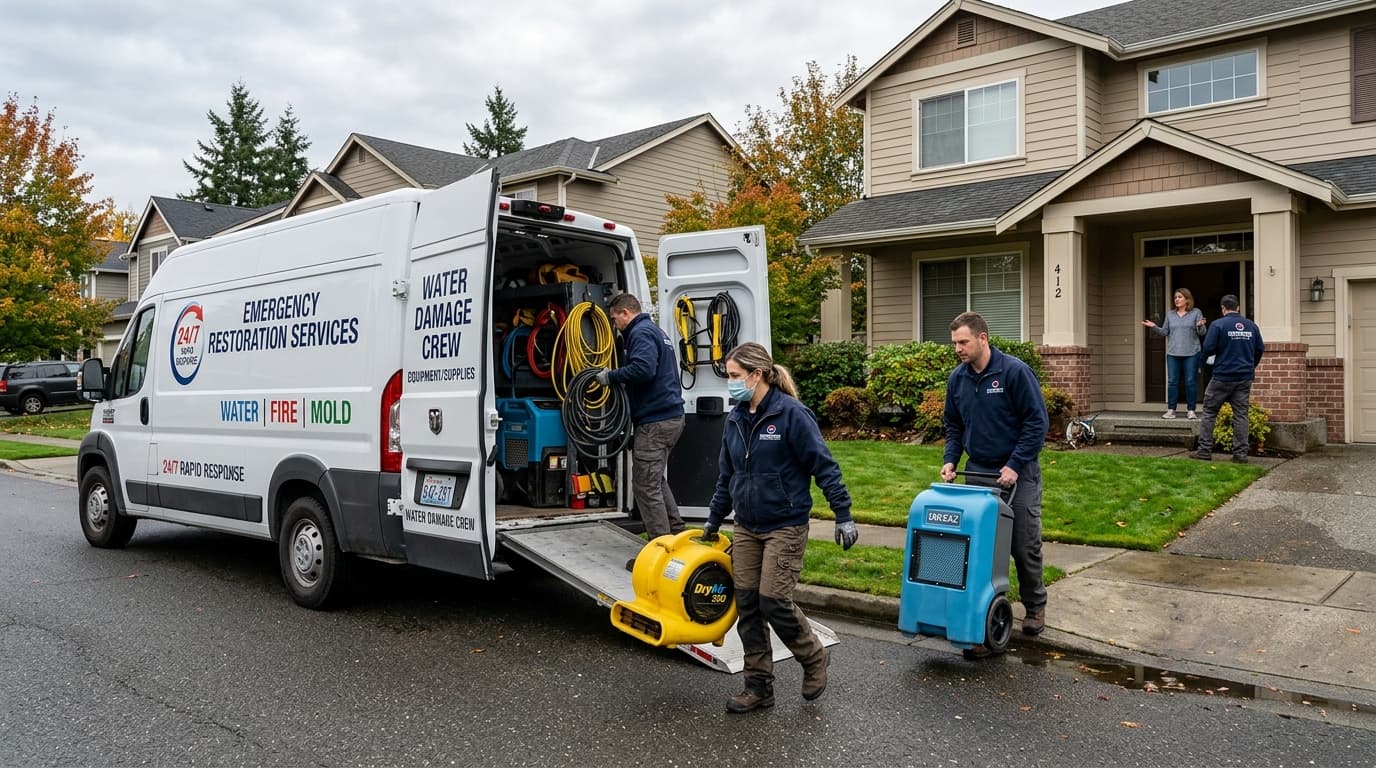
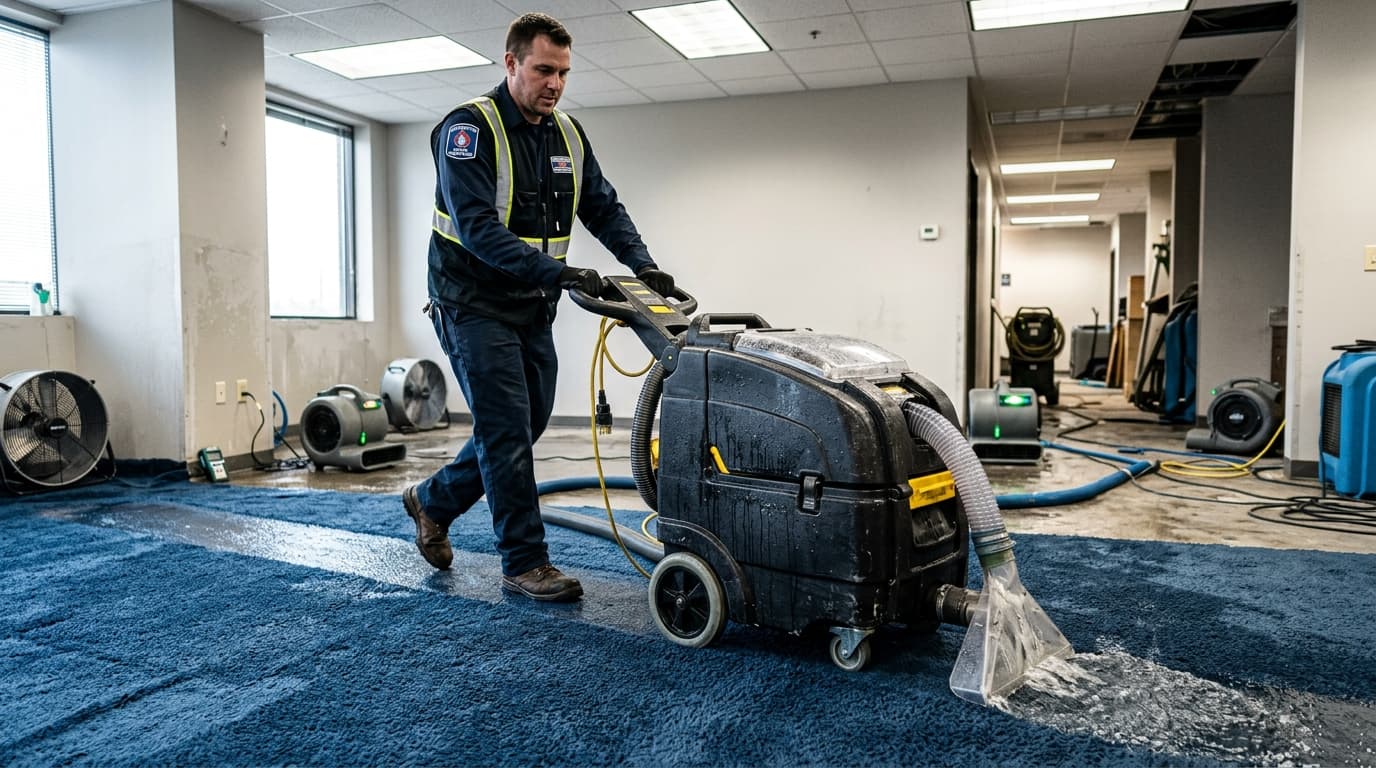
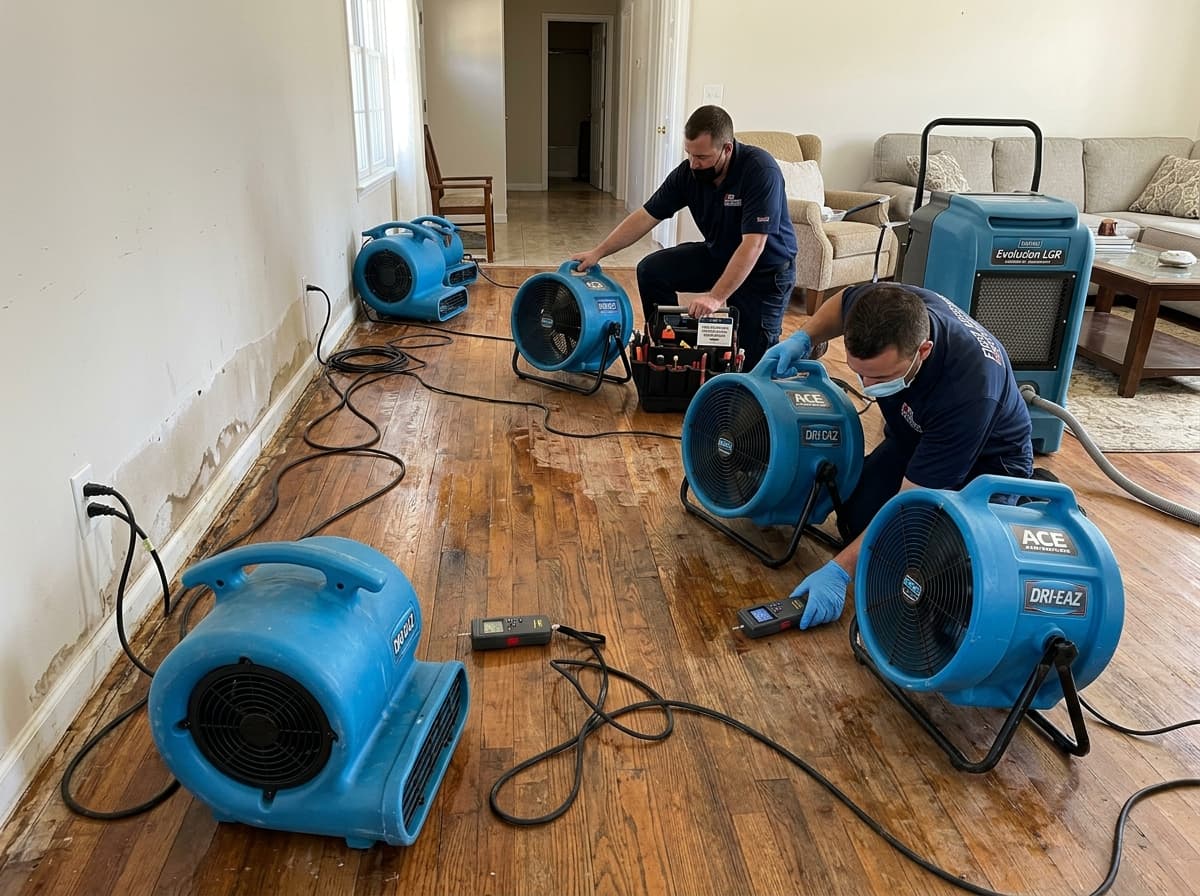
Restoration begins with isolating the leak, turning off main valves, and mitigating electrical hazards. Technicians deploy high-powered truck mounts to extract water from saturated carpets, hardwood floors, and subfloors. Non-invasive infrared thermal imaging is then used to track the exact path of water migration inside closed wall cavities and joist spaces.
Rather than tearing out all drywall, technicians create small, discrete circular openings (drying ports) along baseboard perimeters. Specialized cavity injection drying systems push dry, heated air directly into wall interiors, preserving framing integrity and avoiding massive reconstruction costs.