
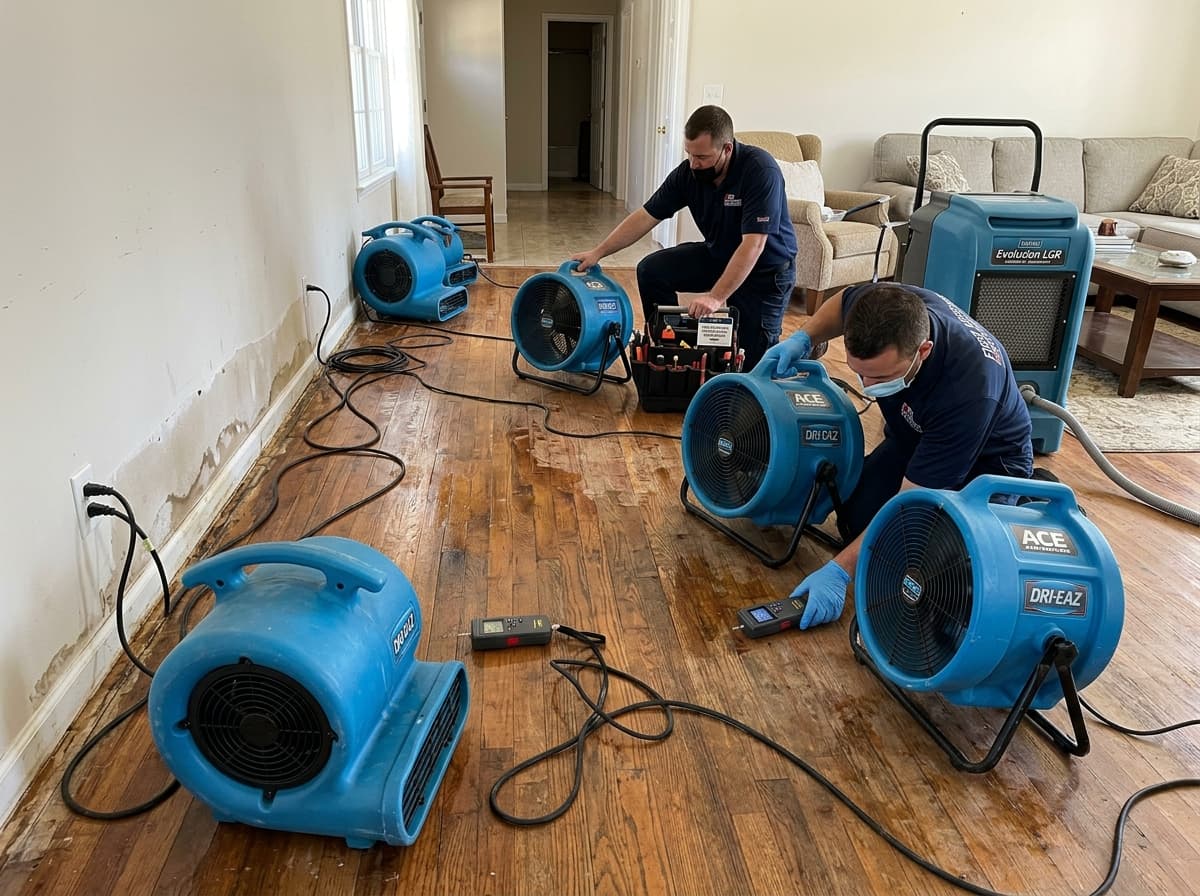
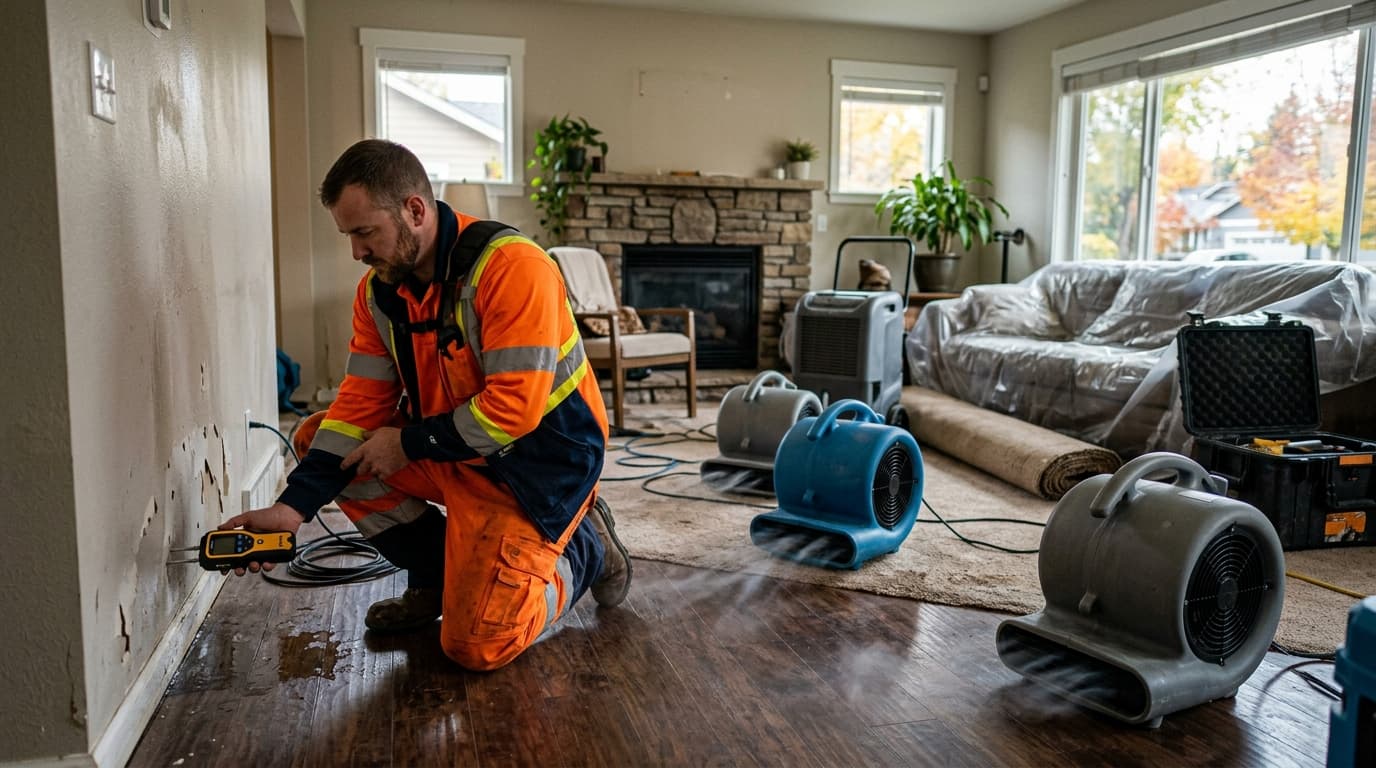
Under controlled professional drying with industrial air movers and LGR dehumidifiers, most residential water losses take between 3 to 5 days to dry completely. Dense materials like subflooring, hardwood, or multi-layer drywall may take up to 7 days.
- Standard timeframe: 3 to 5 days for typical drywall, carpet, and wood framing.
- Crucial difference: Surface dryness happens in 24 hours, but structural core drying takes days.
- Daily monitoring: Relative humidity and wood moisture content must be tracked daily.
Key Factors Governing Structural Drying Time
Four critical variables govern the physics of structural drying in the Treasure Valley:
1. Material Porosity: Drywall dries faster than dense plywood subflooring or finished oak hardwood.
2. Extent of Trapped Moisture: Water inside enclosed wall cavities requires invasive or non-invasive ducting to circulate dry air.
3. Temperature and Vapor Pressure: Commercial dehumidifiers operate most efficiently between 70°F and 85°F.
4. Equipment Sizing: Calculating the correct cubic feet per minute (CFM) of airflow ensures moisture evaporates without causing secondary condensation.
Related Water Restoration Services in Boise
Structural Drying & Dehumidification
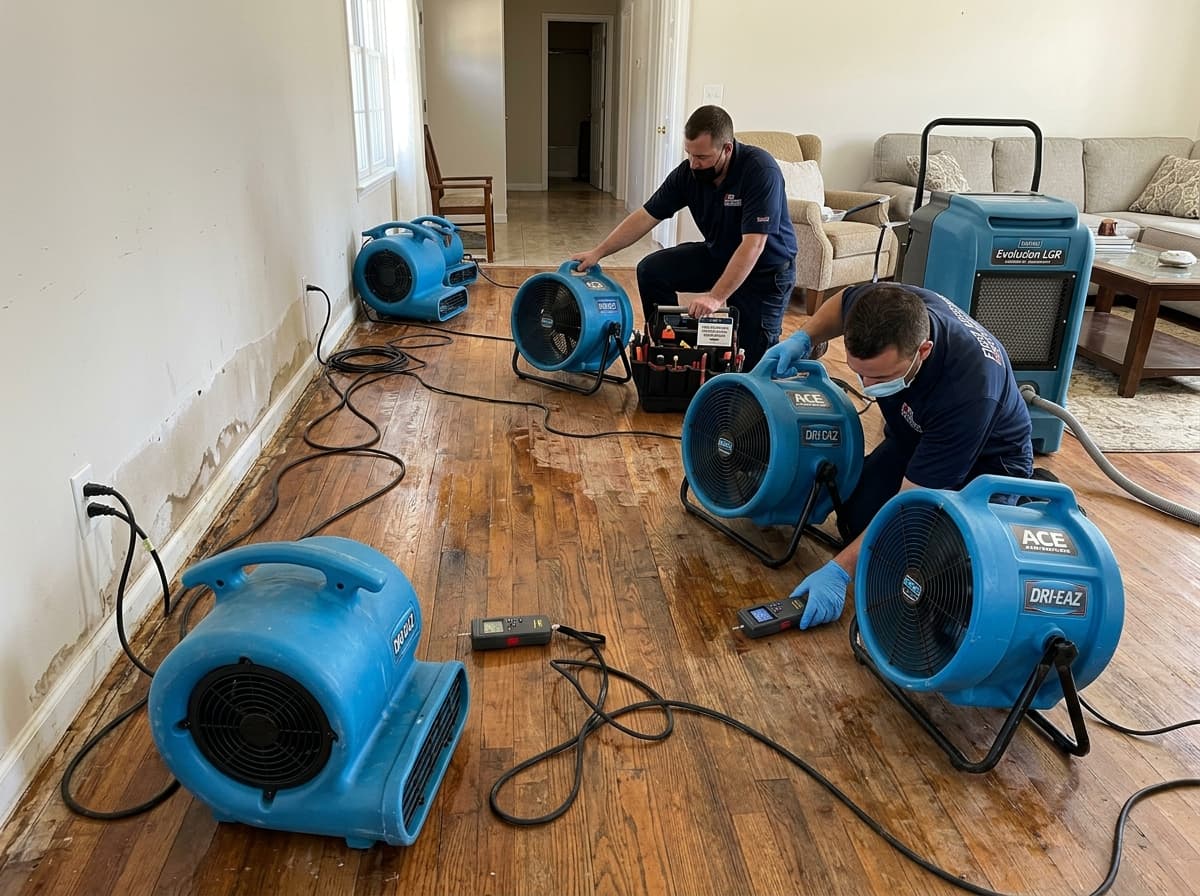
Removing standing liquid is only the first step. Microscopic water remains bound inside wooden studs, subfloors, and concrete foundations. Connect with Boise structural drying specialists who deploy industrial LGR dehumidifiers, high-velocity axial air movers, and daily grains-per-pound (GPP) moisture monitoring.
Water Damage Restoration
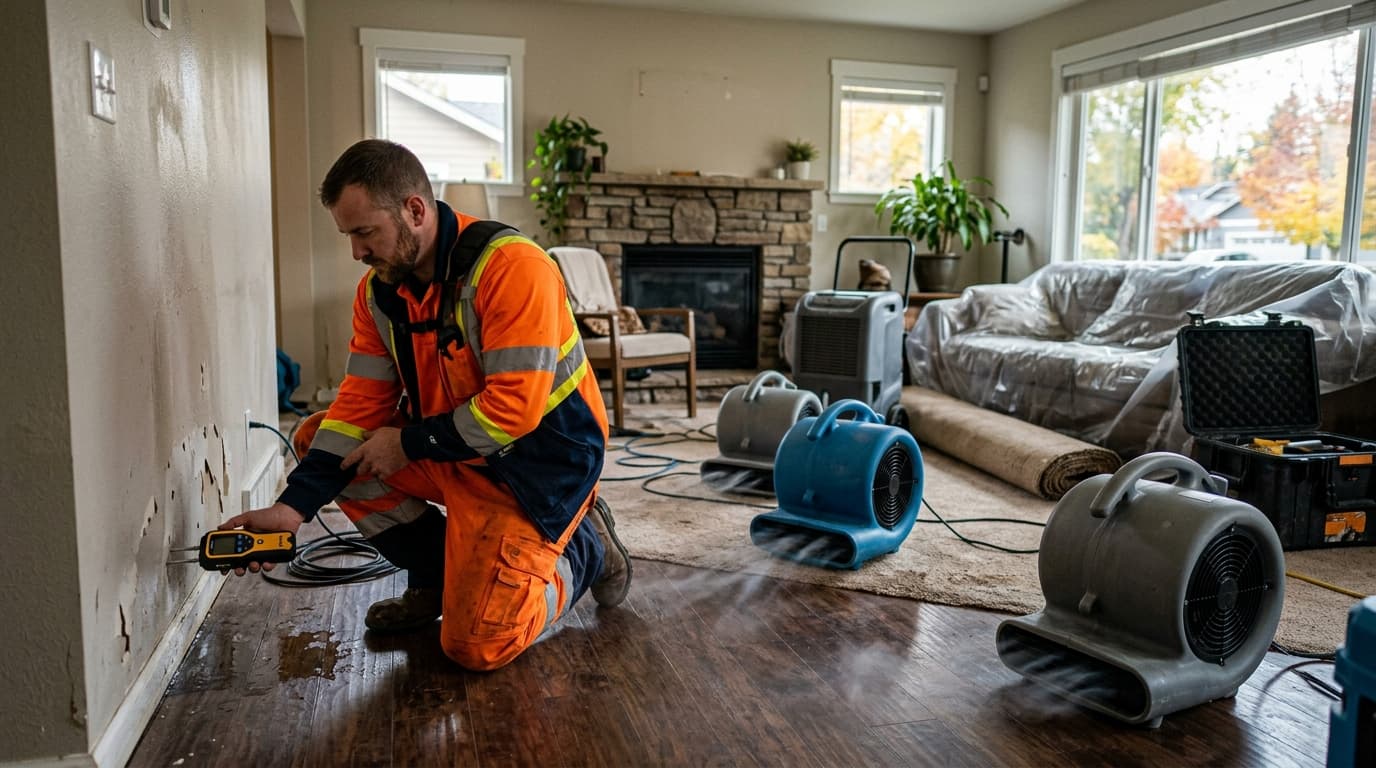
When water compromises your Boise property, full restoration requires more than removing surface liquid. Our network connects Treasure Valley property owners with technicians who handle diagnostic moisture mapping, controlled material removal, structural psychrometric drying, and antimicrobial sanitization.
Water Extraction & Removal
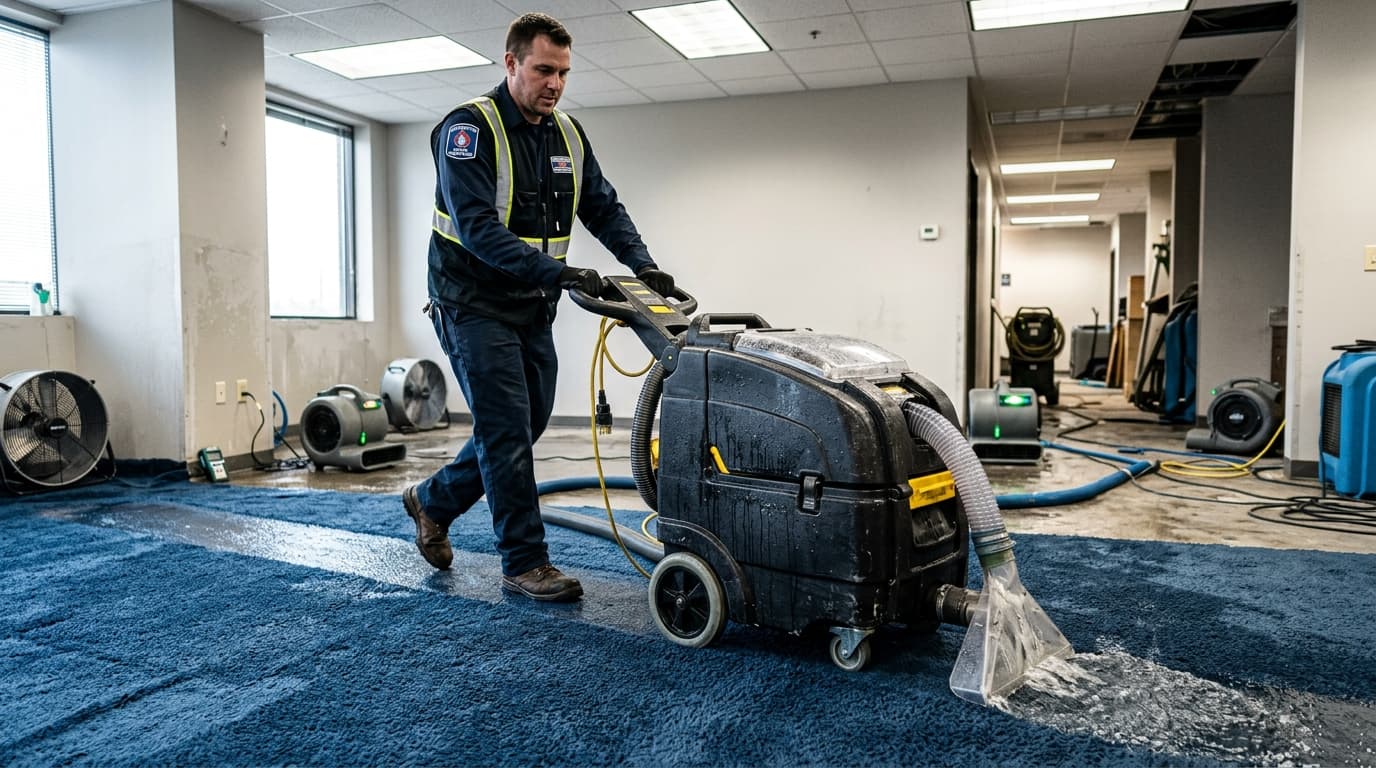
Physical extraction is 1,200 times faster than evaporation. When standing water accumulates on hardwood, tile, carpet, or concrete subfloors, commercial truck-mounted extraction wands and submersible pumps pull thousands of gallons out before deeper structural absorption occurs.
Nearby Treasure Valley Service Areas
Written by Boise Restoration Technical Editorial Team
Mitigation SpecialistsCompiled in alignment with ANSI/IICRC S500 structural drying guidelines.
Sources & References
The factual recommendations, contamination categories, and psychrometric principles in this guide are directly grounded in the following official government disaster protocols and ANSI/IICRC restoration standards:
- 1
Frequently Asked Questions
Household box fans lack the static pressure needed to dislodge boundary-layer moisture from building surfaces. While opening windows helps if outdoor relative humidity is low, it cannot pull trapped water out of framing or subfloors without commercial dehumidification.
Continue Learning About Water Damage
What to Do After Water Damage: A Step-by-Step Guide
When water suddenly floods a floor or bursts through a ceiling, your first 24 to 48 hours dictate whether materials can be salvaged or if structural mold develops. Here is the verified emergency sequence to protect your property and family.
Water Damage Restoration Costs in Boise: Factors & Breakdown
Water damage costs depend on contamination category, square footage, extraction depth, and insurance deductibles. Learn what affects overall restoration pricing.
Signs of Water Damage in Walls: Early Detection & Hidden Moisture
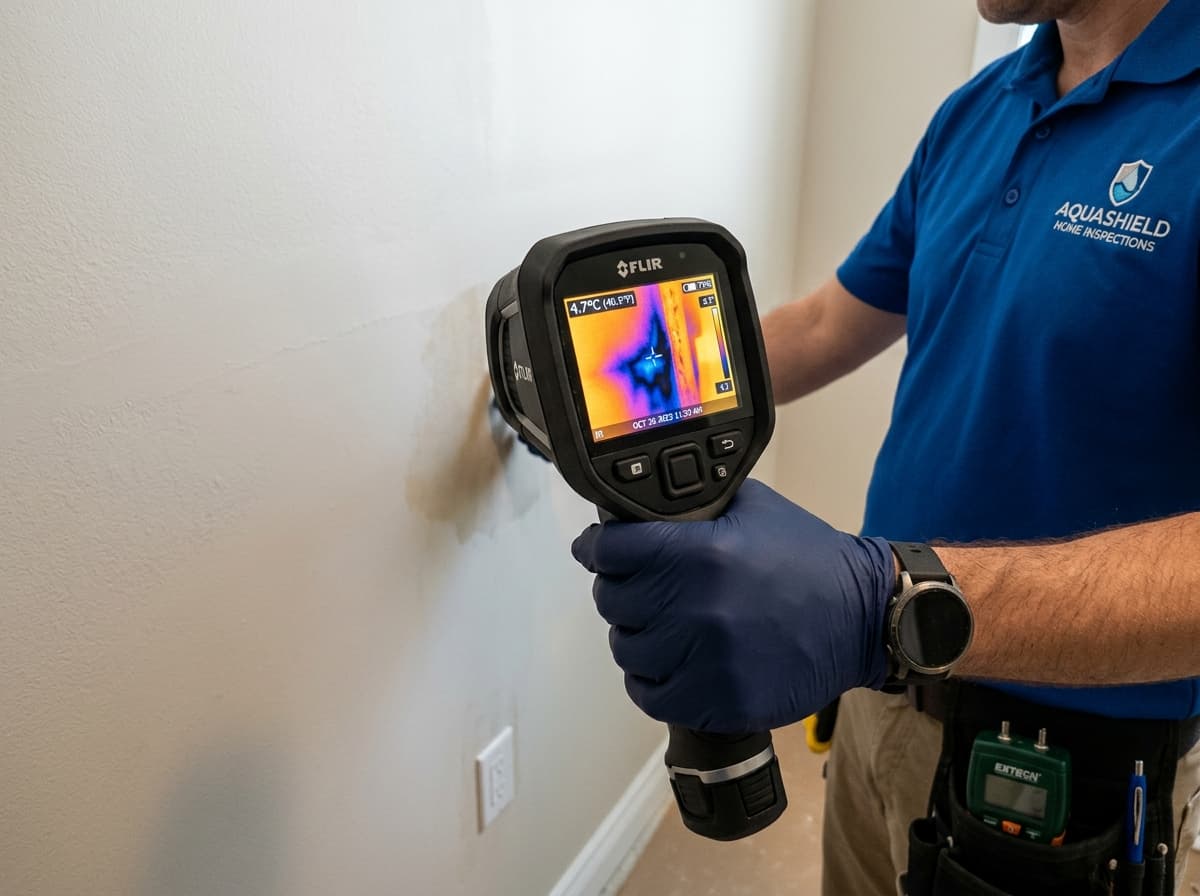
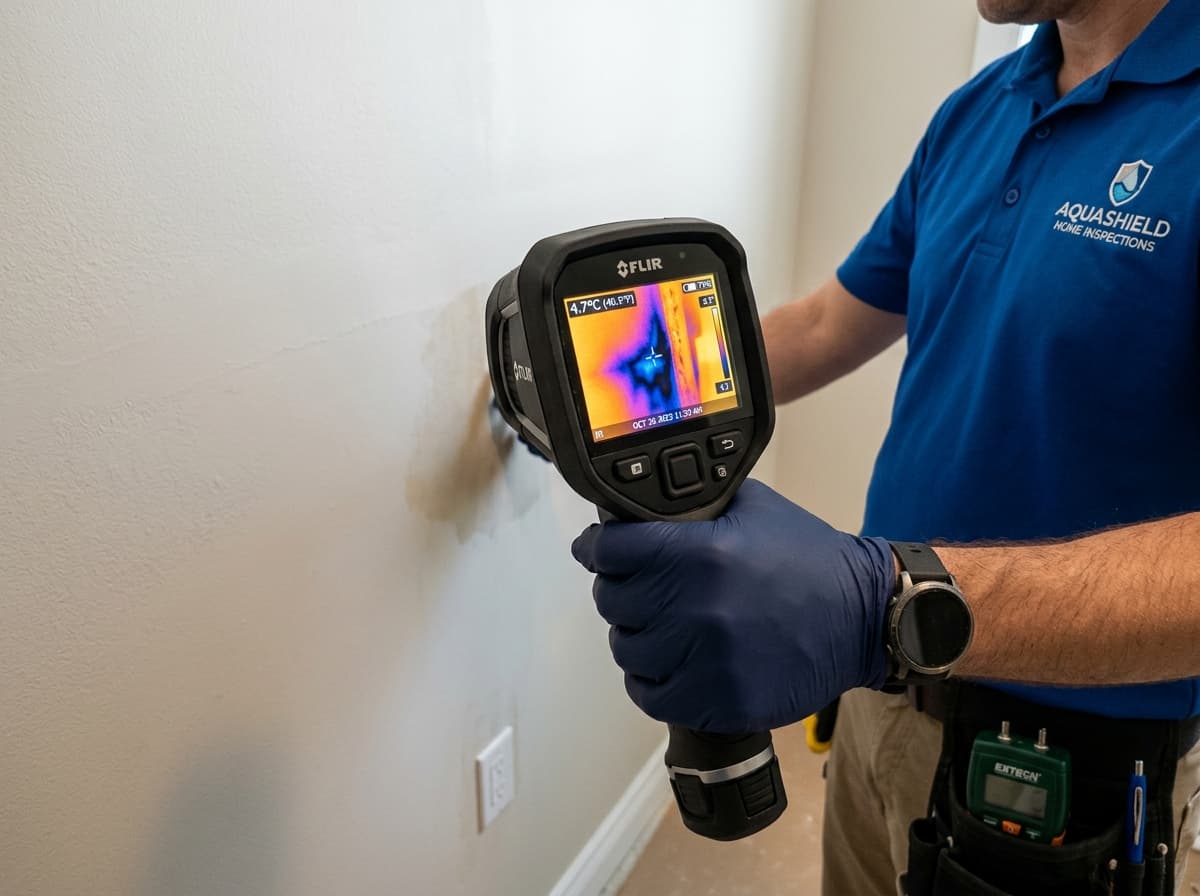
Water leaks inside wall cavities often remain concealed until peeling paint, warping baseboards, or persistent musty odors reveal hidden moisture.