
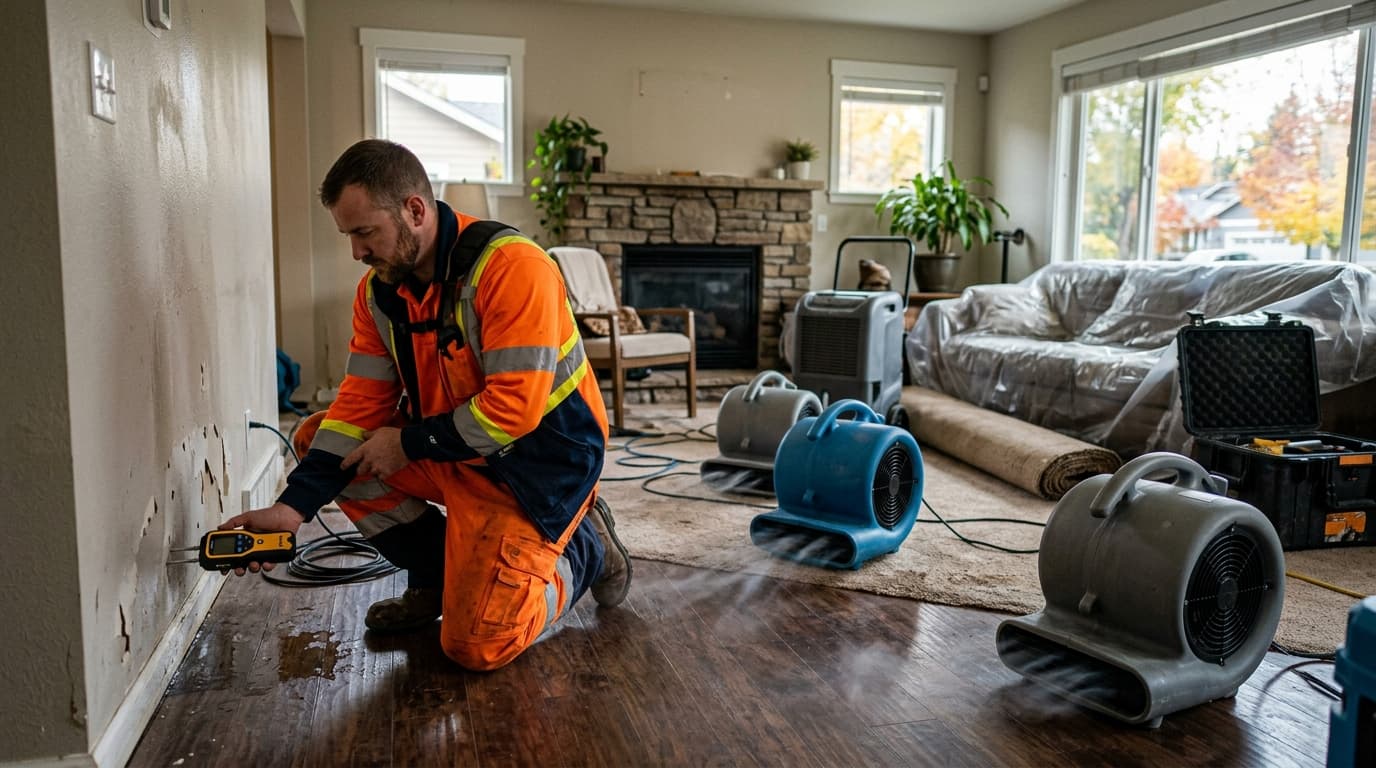
Immediately ensure personal safety by staying out of standing water until power is cut at the breaker. Shut off the main water valve to stop the source, contact your insurance provider to open a claim, photograph all damage thoroughly before moving belongings, and call certified emergency restoration professionals immediately. Water begins migrating deep into wall studs, subfloors, and insulation within minutes.
- Safety first: De-energize electrical circuits before entering any area with standing water.
- Stop the intrusion: Turn off the main water shutoff valve immediately.
- Document completely: Capture clear photos and video of all standing water, waterlines, and affected contents prior to disturbance.
- Prevent mold: Microbial growth can initiate on moist drywall, carpets, and wood within 24 to 48 hours.
- Extract before drying: Mechanical water extraction removes liquid 1,200 times faster than evaporation alone.
1. Prioritize Personal Safety & Hazard Assessment
Before taking any cleanup actions, ensure the home environment is safe for occupants. Water damage introduces severe hidden hazards including electrocution, structural collapse, and biological contamination.
Water conducts electricity rapidly. If water has reached wall outlets, baseboard heaters, floor receptacles, or appliance connections, touching the water or wet surfaces creates a life-threatening shock risk. Never step into standing water in a basement or lower level until you have confirmed the electrical power supply to that area is completely de-energized.
In addition to electrical hazards, soaked drywall and plaster ceilings absorb tremendous weight. A sagging ceiling saturated with water from an upstairs bathroom or broken pipe can collapse without warning. Maintain a safe perimeter away from bulging plaster or drywall until pressure has been relieved safely by trained personnel.
Critical Electrical & Gas Safety Warning
If your electrical breaker panel is located in a damp or flooded basement, DO NOT attempt to wade through water to reach it. Evacuate the premises and contact Idaho Power or your local utility to disconnect service from the meter externally.
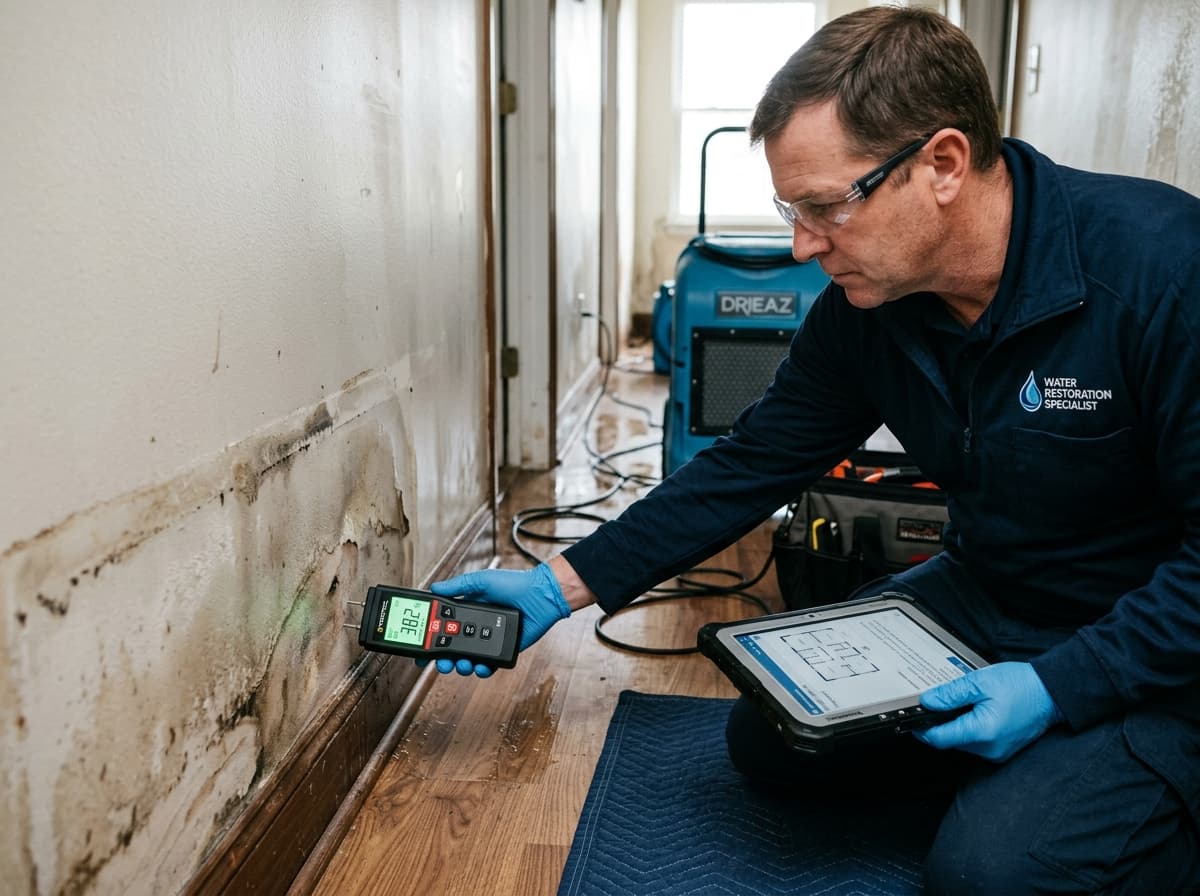
2. Locate & Shut Off the Water Source
Every minute water continues flowing into your home exponentially increases restoration costs and structural saturation.
If the damage originates from an interior plumbing failure—such as a burst copper line under a sink, a split washing machine supply hose, or a failed water heater—shutting off the water immediately stops further intrusion. Every adult in your household should know the exact location of the main water shutoff valve.
In most Boise and Treasure Valley residences, the main water shutoff is located where the municipal water service line enters the home—commonly in the basement near the front foundation wall, inside the crawl space, in a utility closet next to the water heater, or in the garage. Turn the valve clockwise (for round gate valves) or 90 degrees perpendicular to the pipe (for quarter-turn ball valves).
Pro-Tip: Appliance Fixture Shutoffs vs. Main Shutoffs
If the leak is isolated to an accessible toilet supply or washing machine, you can shut the local angle stop valve directly behind the fixture. However, if the leak cannot be instantly pinpointed, immediately shut off the whole-house main valve to eliminate guesswork.
3. Identify the Water Contamination Category (IICRC S500)
Water damage is classified into three distinct categories based on biological and chemical contamination levels under the ANSI/IICRC S500 Standard. Your safety precautions and salvageability guidelines depend entirely on this classification.
Clean water from a fresh supply line behaves very differently from sewage or muddy flood runoff. Even clean water degrades into contaminated Category 2 or 3 water within 24 to 48 hours if left standing in contact with building soils, carpet adhesives, or organic drywall materials.
IICRC S500 Water Contamination Categories Explained
| Water Category | Common Sources | Safety & Handling Protocols |
|---|---|---|
Category 1: Clean Water Degrades into Category 2 after 24–48 hrs. | Broken supply lines, sink overflows, melting snow/rain directly entering. | Lowest health risk initially. Salvageable if extracted and dried rapidly within 24–48 hours before microbial proliferation. |
Category 2: Gray Water Unsafe for prolonged contact without PPE. | Washing machine discharge, dishwasher overflows, sump pump failures, toilet overflows with urine. | Contains chemical, biological, or microbial agents. Carpet pad must usually be discarded; requires antimicrobial treatments. |
Category 3: Black Water Never handle without certified technicians. | Sewage backups, toilet overflows containing feces, river/ground surface floodwaters, standing stagnant water. | Extremely pathogenic, containing bacteria, fungi, and parasites. Requires certified biohazard containment, PPE, and removal of all porous materials. |
4. Document Everything for Insurance Before Cleanup
Before discarding ruined items, tearing out soaked carpet, or repositioning furniture, create an indisputable photographic and video record of the initial condition.
Property insurance adjusters require verifiable evidence demonstrating the cause of loss, the high-water line, and the extent of material saturation. Take comprehensive wide-angle photographs of each affected room, followed by close-ups of damaged baseboards, swollen doors, damaged subflooring, and warped cabinetry.
Capture serial numbers and brand tags on expensive electronics or appliances affected by moisture. Keep an itemized inventory spreadsheet detailing the approximate purchase year, brand, and replacement value. Do not throw away significant property items until your insurance adjuster has inspected them or given explicit written authorization.
Insurance Documentation Checklist
Tap items to track reading progressInclude ceilings, walls, baseboards, and water level lines.
Take clear photos of the ruptured pipe, failed valve, or hose split before repairs.
Record furniture, rugs, electronics, and keepsakes damaged by water.
Retain receipts for emergency plumbers, equipment rental, or professional dispatch.
5. Immediate Mitigation Steps You Can Safely Take
While professional restoration technicians are in transit, taking targeted stabilization steps can save thousands of dollars in hardwood flooring, structural framing, and family possessions.
Elevate Furniture & Isolate Wood Legs
Prevent wood stain bleed and furniture delamination.
- Place aluminum foil squares, plastic wrap, or wooden blocks under furniture legs sitting on wet carpet.
- Varnish from furniture legs permanently leaches into wet carpet fibers within hours, creating irreversible staining.
Remove Draperies, Rugs & Sensitive Contents
Protect delicate fabrics and reduce room moisture load.
- Remove area rugs sitting over finished hardwood floors immediately to prevent trapped moisture from cupping the wood.
- Hang draperies up off the floor using coat hangers or zip ties to prevent moisture wicking up hem lines.
Safely Mop & Blot Surface Pools
Remove excess surface water if safe from electrical risks.
- Use clean mops and heavy cotton towels to absorb standing surface puddles on tile, laminate, or hardwood.
- Never use a standard household vacuum cleaner—this poses a severe electrical shock hazard and destroys motor fans.
Manage Indoor Airflow & Ventilation Strategically
Adjust ventilation depending on Idaho outdoor humidity.
- In dry Boise summer conditions, opening windows can accelerate early moisture venting.
- In humid or rainy weather, keep windows shut and run central air conditioning or residential dehumidifiers while waiting for commercial desiccant/LGR setups.
Dealing With Active Water Damage in Boise?
Time is critical. Water trapped behind baseboards and beneath floors requires commercial extraction equipment. Call our on-call Boise dispatch desk for immediate coordination.
6. Why Surface Drying Is Never Enough (The Science of Moisture)
One of the most dangerous mistakes property owners make is assuming a room is dry because the carpet surface feels dry to the touch.
Building materials are hygroscopic—they actively pull moisture out of the air and hold it inside cellular structures. Water flows through capillary action beneath baseboard plates, saturating sill plates, insulation batts, and wood joists.
Surface air movers alone cannot pull moisture out of dense subflooring or enclosed wall cavities. Without commercial Low Grain Refrigerant (LGR) dehumidification and negative pressure wall-cavity drying, moisture trapped inside dark wall spaces reaches 100% relative humidity, creating an ideal incubator for toxic mold species such as Stachybotrys chartarum and Aspergillus within 48 to 72 hours.
Technical Insight: Moisture Equilibrium & Psychrometrics
Professional restoration follows psychrometry—the science of drying. Technicians measure grains per pound (GPP) of moisture in the air, compare ambient relative humidity to structural equilibrium moisture content (EMC), and continue drying until wood studs return to standard baseline levels (typically 8% to 12% in the Intermountain West).
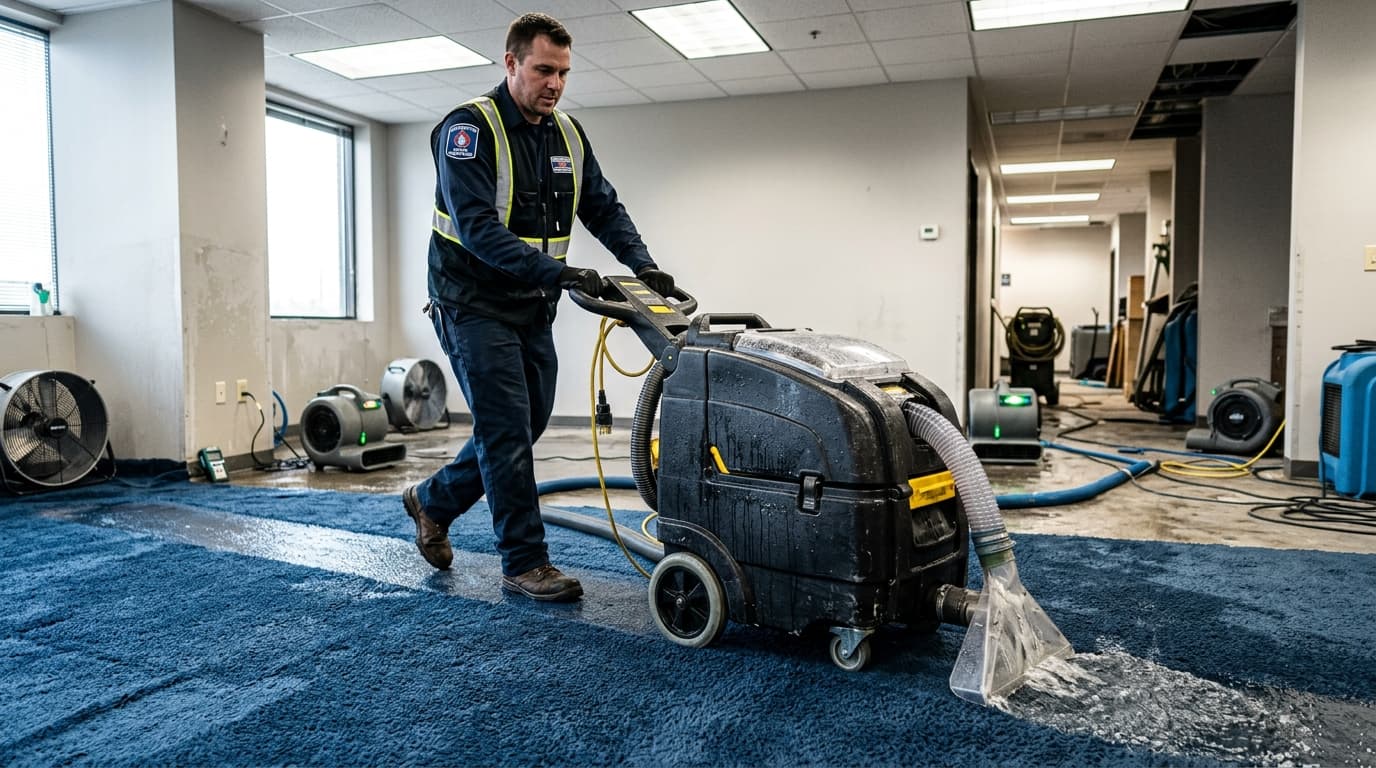
7. What to Expect When Professional Restoration Crews Arrive
When certified restoration specialists arrive at your Boise home, they execute an organized, standard-driven recovery sequence designed to preserve structures and minimize demolition.
Phase 1: Non-Invasive Moisture Mapping & Thermal Imaging
Technicians utilize infrared cameras (FLIR) to identify evaporative cooling patterns where water has traveled behind paint, tile, and drywall. Calibrated penetrating and non-penetrating moisture meters record exact numerical saturation percentages for every building material.
Phase 2: High-Power Mechanical Extraction
Truck-mounted or high-vacuum portable extraction units physically draw thousands of gallons of water from carpets, padding, and subfloors. Physical extraction is 1,200 times faster than evaporation, drastically shortening overall drying time and saving wood structures.
Phase 3: Antimicrobial Sanitization & Containment
Crews apply EPA-registered antimicrobial botanical or quaternary solutions to prevent microbial growth. If contamination is present, heavy plastic containment barriers and HEPA air scrubbers prevent mold spores and odor particles from migrating to unaffected living areas.
Phase 4: Engineered Structural Drying & Daily Monitoring
Centrifugal air movers and industrial dehumidifiers are strategically positioned according to calculated room cubic footage. Technicians return daily to log psychrometric readings, measure moisture reduction, and adjust equipment until verifiable dry standards are achieved.
Related Water Restoration Services in Boise
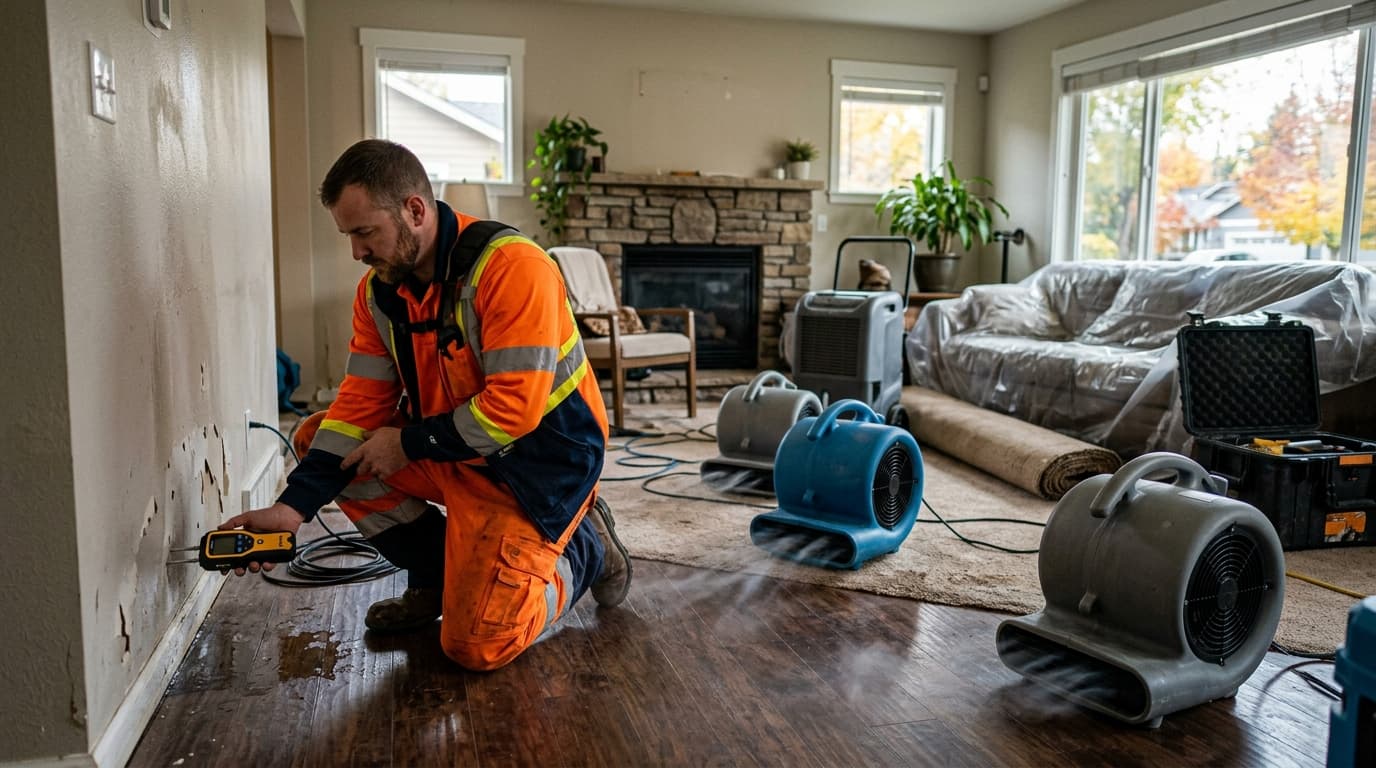
Water Damage Restoration
When water compromises your Boise property, full restoration requires more than removing surface liquid. Our network connects Treasure Valley property owners with technicians who handle diagnostic moisture mapping, controlled material removal, structural psychrometric drying, and antimicrobial sanitization.
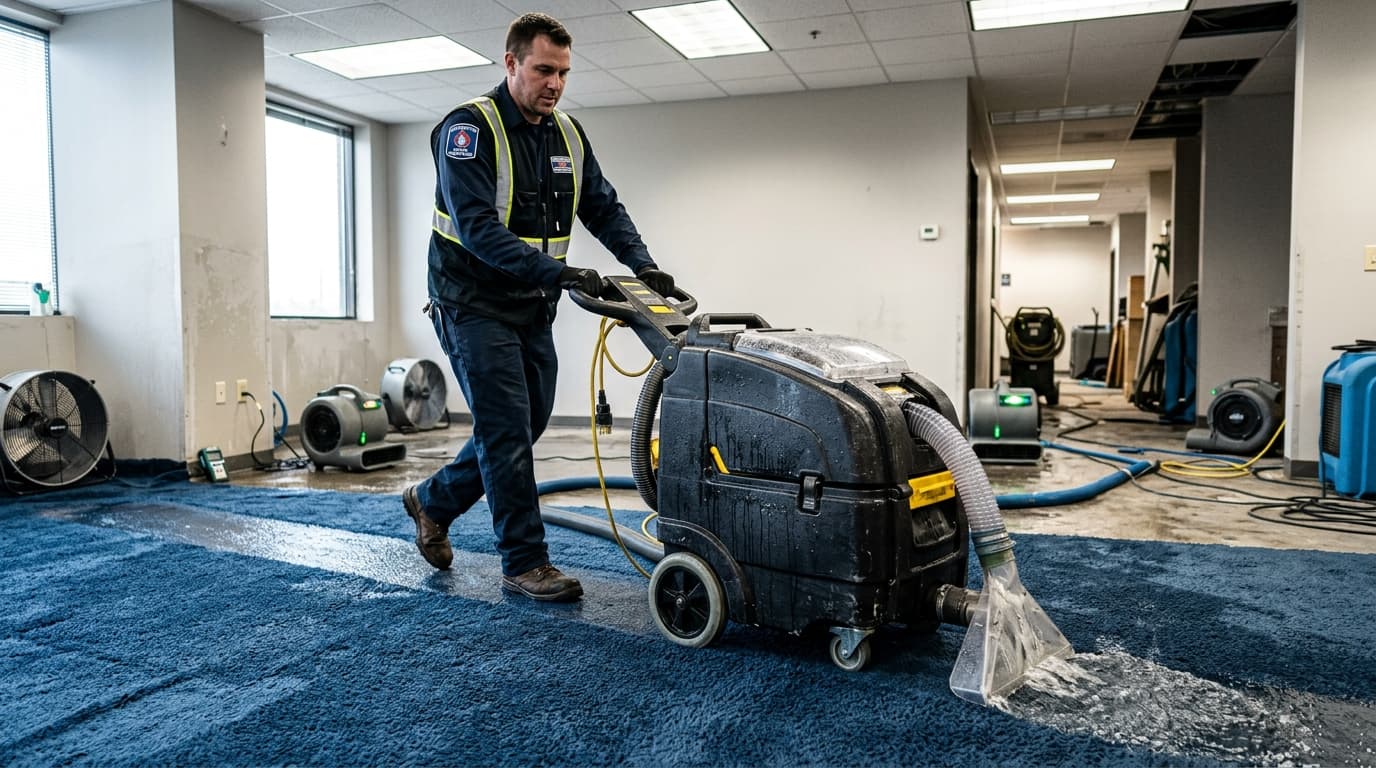
Water Extraction & Removal
Physical extraction is 1,200 times faster than evaporation. When standing water accumulates on hardwood, tile, carpet, or concrete subfloors, commercial truck-mounted extraction wands and submersible pumps pull thousands of gallons out before deeper structural absorption occurs.
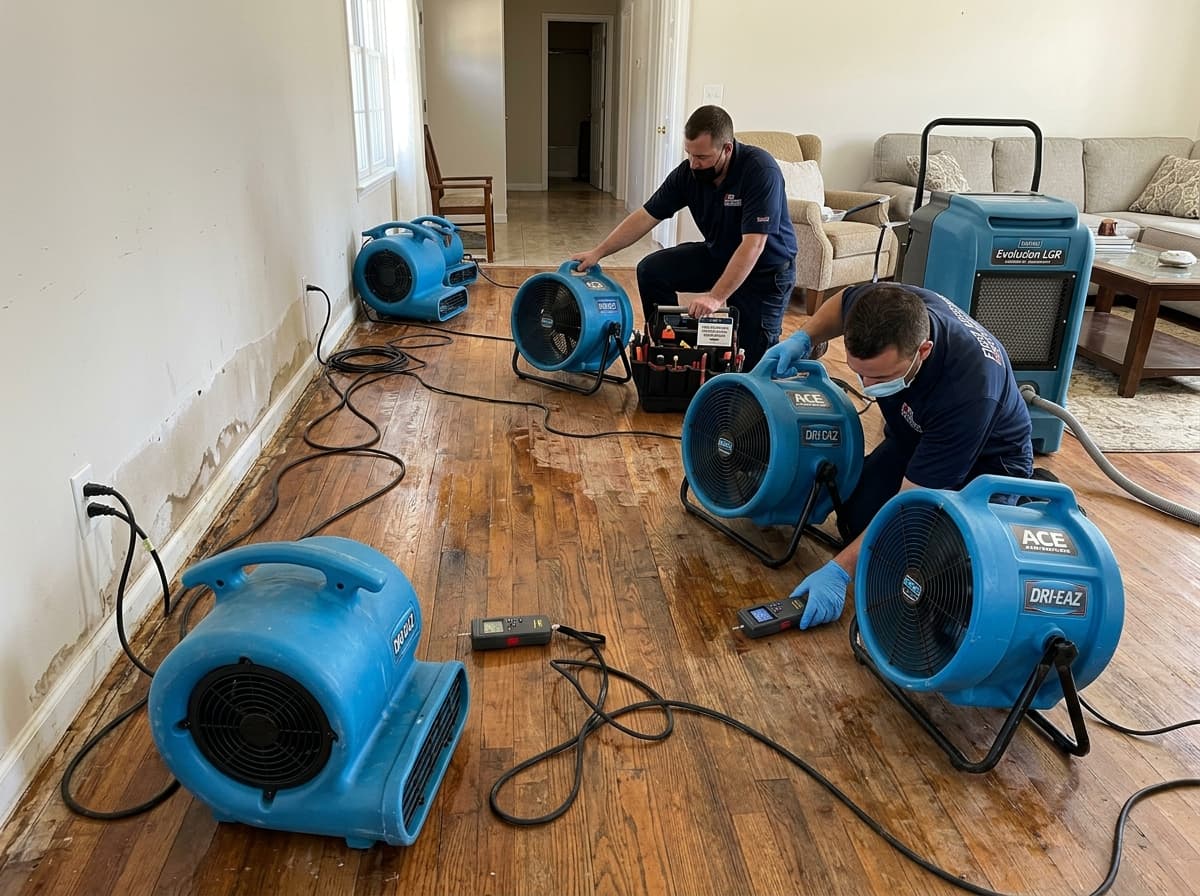
Structural Drying & Dehumidification
Removing standing liquid is only the first step. Microscopic water remains bound inside wooden studs, subfloors, and concrete foundations. Connect with Boise structural drying specialists who deploy industrial LGR dehumidifiers, high-velocity axial air movers, and daily grains-per-pound (GPP) moisture monitoring.
Nearby Treasure Valley Service Areas
Written by Boise Restoration Technical Editorial Team
Water Damage Mitigation Specialists & Technical WritersOur technical editorial team compiles verified guidance aligned with ANSI/IICRC S500 Standards for Professional Water Damage Restoration, FEMA emergency management protocols, and Idaho local building characteristics.
Reviewed for structural safety, psychrometric accuracy, electrical precautions, and insurance documentation integrity.
Sources & References
The factual recommendations, contamination categories, and psychrometric principles in this guide are directly grounded in the following official government disaster protocols and ANSI/IICRC restoration standards:
- 1ANSI/IICRC S500 Standard and Reference Guide for Professional Water Damage RestorationInstitute of Inspection, Cleaning and Restoration Certification (IICRC) • Current Standard Edition
Primary technical foundation for water categorization, psychrometric drying, and structural dry standards.
- 2A Brief Guide to Mold, Moisture, and Your HomeUnited States Environmental Protection Agency (EPA) • EPA Indoor Air Quality Publication
Guidelines on 24-48 hour mold prevention timelines and personal protective equipment.
- 3Homeowner's Guide to Water Damage and Flood RecoveryFederal Emergency Management Agency (FEMA) • FEMA Disaster Recovery Guidance
Safety procedures, electrical cutoff precautions, and structural stability assessment.
- 4Reentering Your Flooded Home: Safety and Health ChecklistCenters for Disease Control and Prevention (CDC) • CDC Emergency Preparedness
Pathogen risks, Category 3 black water precautions, and sanitation measures.
Frequently Asked Questions
In typical residential water losses, professional structural drying takes between 3 to 5 days under controlled temperature and commercial dehumidification. Factors influencing timeline include the volume of water, the porosity of affected materials (drywall, hardwood, concrete), and whether moisture was trapped inside enclosed wall cavities.
Continue Learning About Water Damage
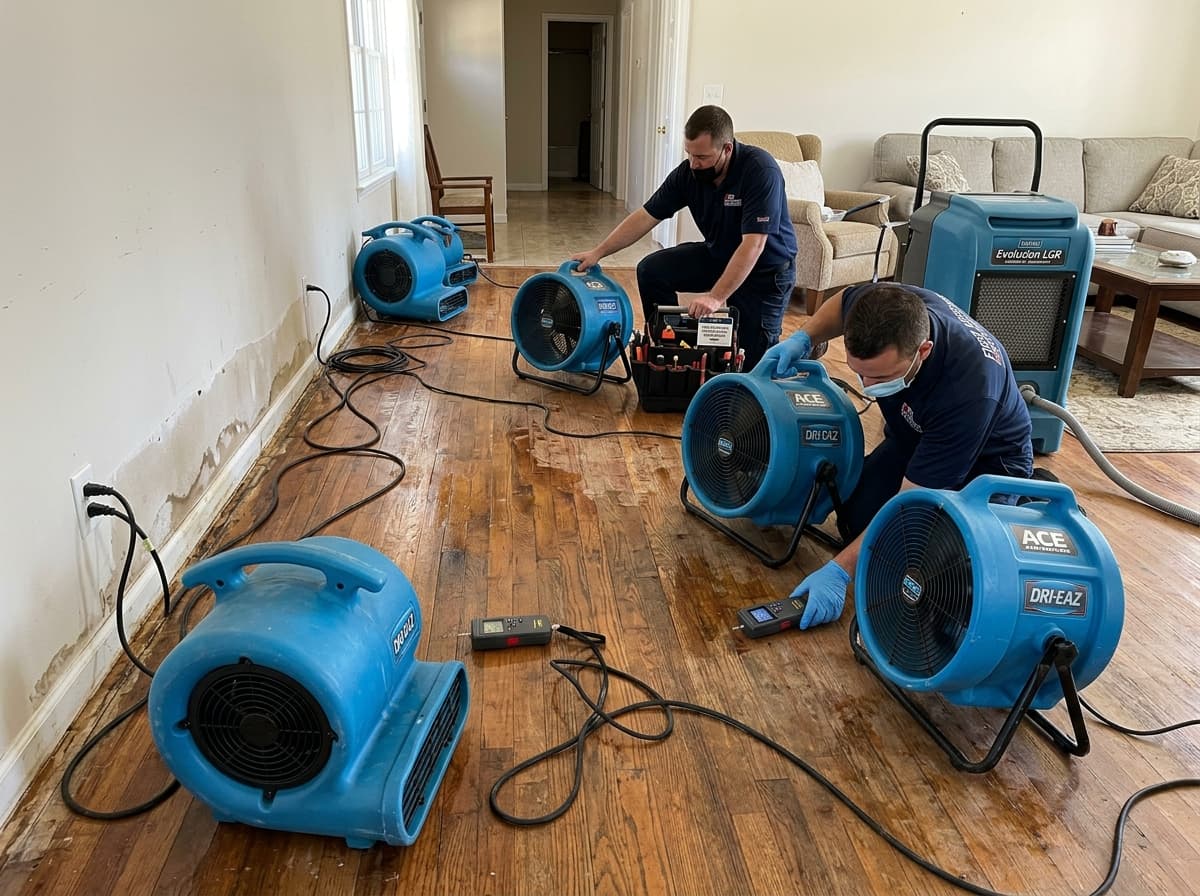
How Long Does Water Damage Take to Dry? Timelines & Science
Drying time typically ranges from 3 to 5 days, but hidden moisture behind walls or under subfloors requires scientific verification, not guesswork.
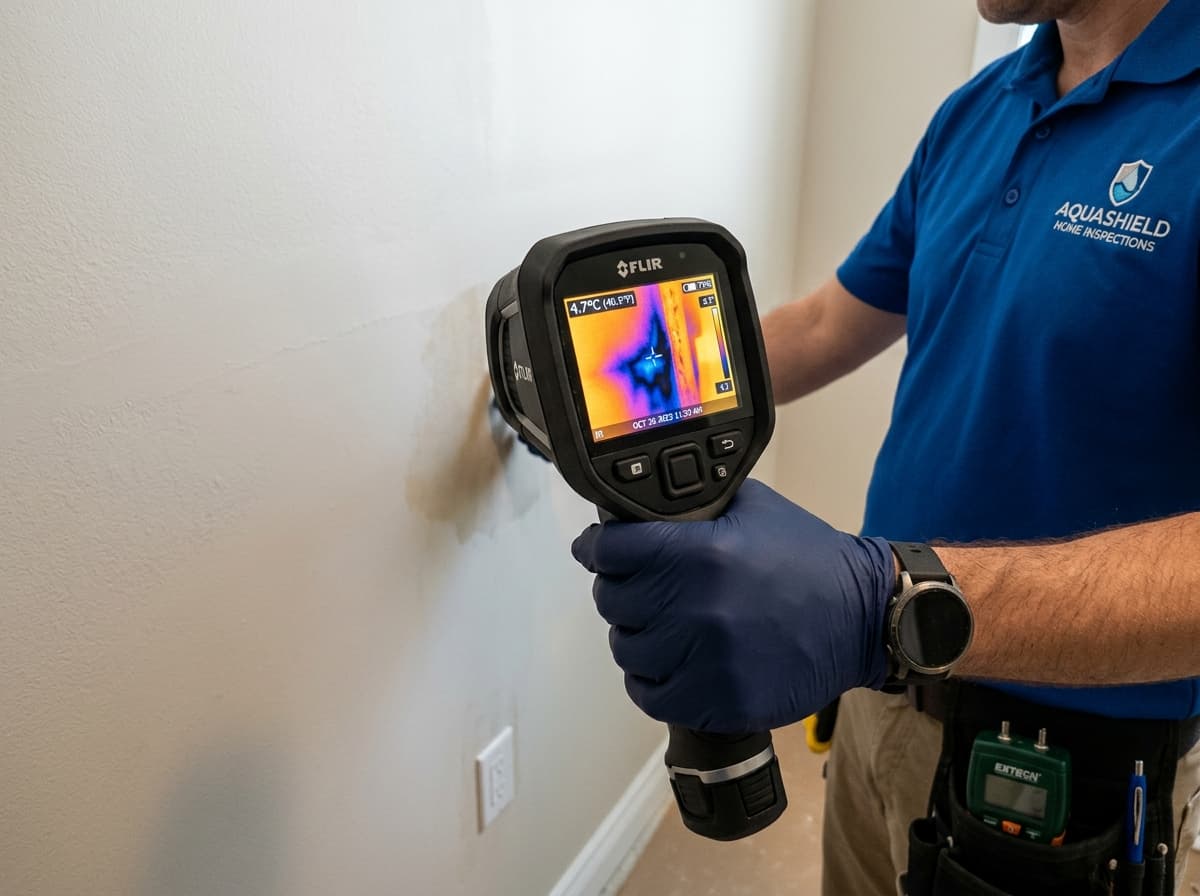
Water Damage Restoration Costs in Boise: Factors & Breakdown
Water damage costs depend on contamination category, square footage, extraction depth, and insurance deductibles. Learn what affects overall restoration pricing.
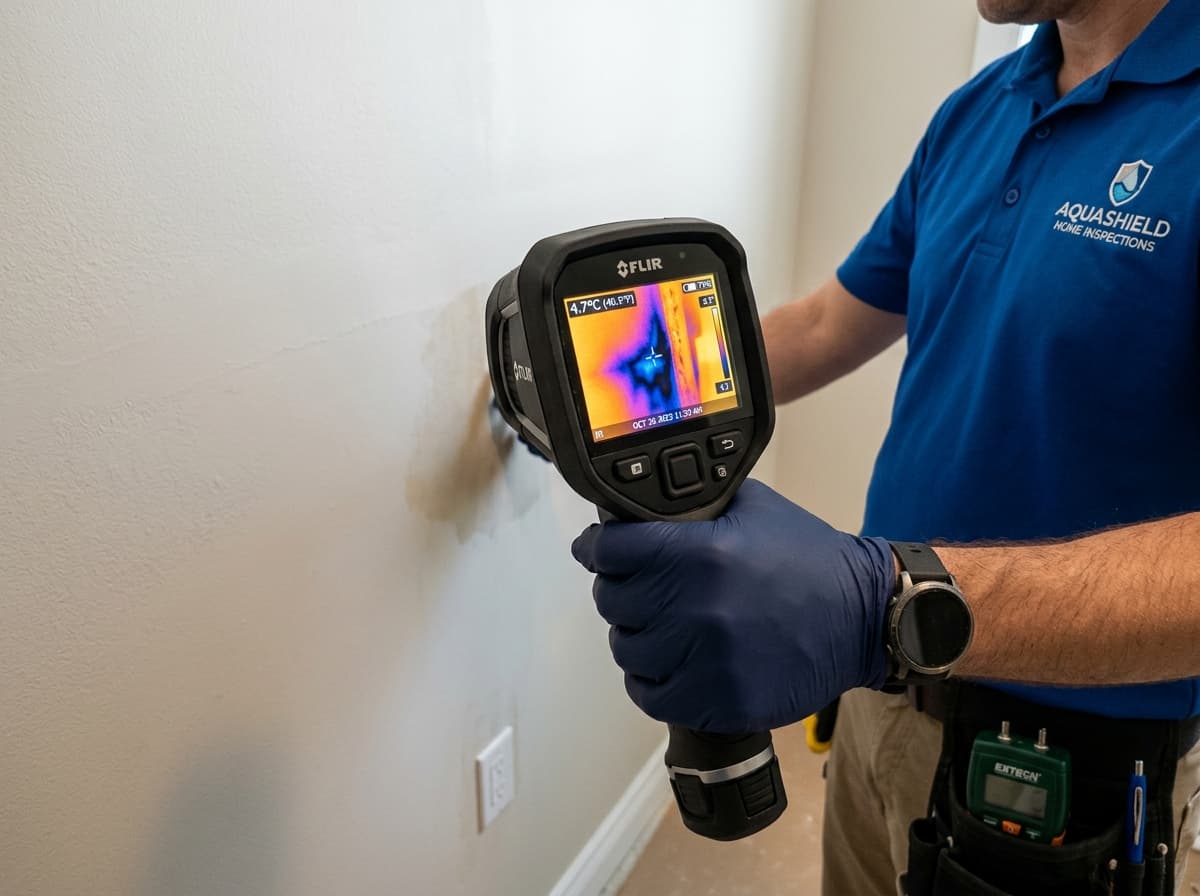
Signs of Water Damage in Walls: Early Detection & Hidden Moisture
Water leaks inside wall cavities often remain concealed until peeling paint, warping baseboards, or persistent musty odors reveal hidden moisture.