24/7 Rapid Dispatch:
(208) 314-1188
Boise Water Damage Restoration Services Logo
Boise Water DamageRestoration Services
Category 3 Biohazard Mitigation

Sewage Backup Cleanup in Boise, ID

Raw sewage contains harmful bacteria, viruses, parasites, and chemical pathogens classified as Category 3 blackwater. Exposure poses acute health risks. Connect with certified biohazard cleanup technicians in Boise equipped with full protective gear, extraction units, and EPA-registered hospital disinfectants.

Call for Sewage Cleanup Assistance(208) 314-1188
On-Call 24/7 • ~45m Boise Arrival
Direct Boise Dispatch
Ada & Canyon Counties
Immediate Phone Intake
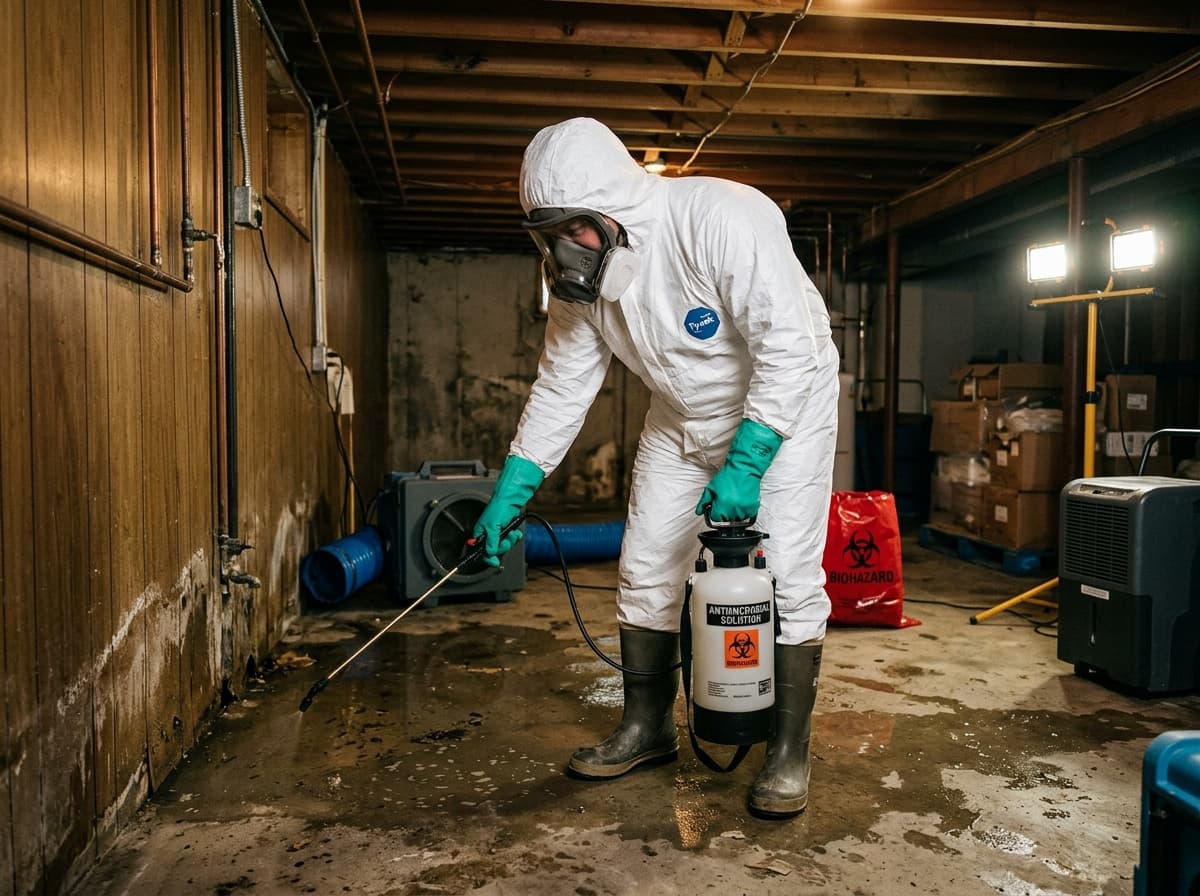
Restoration technician in full PPE protective suit spraying antimicrobial disinfectant in basement in Boise
Boise Dispatch Active
Sewage Cleanup CapabilityIndustrial Standard
Full PPE ProtectionCategory 3 BlackwaterEPA Hospital BiocidesOdor Elimination
Biohazard Protocol

Category 3 Certified

Strict safety protocols for raw sewage, pathogens, and biohazardous waste.

Air Containment

Negative Air Scrubbing

HEPA air filtration prevents airborne microbial contamination in living spaces.

Hospital Grade

EPA Antimicrobial

Deep chemical fogging and biocide washdown eliminates bacteria and viruses.

Direct Phone

Urgent Biohazard Intake

Speak directly with local coordinators equipped for immediate hazmat response.

Priority Response Zones:
Boise MetroMeridianEagleGarden CityKunaNampaStarCaldwell
Biohazard Decontamination

What Is Professional Sewage Backup Cleanup?

A sewage backup is a biological emergency that requires immediate hazardous material handling. Classified by the IICRC as Category 3 (blackwater), sewage contains pathogenic agents including Salmonella, E. coli, Norovirus, hepatitis, and parasitic protozoa that present severe health risks upon contact or inhalation.

Professional sewage remediation begins with isolating the affected area with plastic containment barriers and negative air pressure machines equipped with HEPA filtration. Technicians wearing full-body personal protective equipment (PPE)—including Tyvek suits, respirators, and heavy nitrile gloves—extract blackwater and dispose of it in accordance with local environmental regulations.

Because porous building materials like carpets, padding, and low-level drywall absorb microbial pathogens, they must be safely bagged, sealed, and removed for hazardous disposal. Structural framing and concrete subfloors are then repeatedly washed, treated with EPA-registered hospital-grade biocides, and dried under strictly controlled conditions.

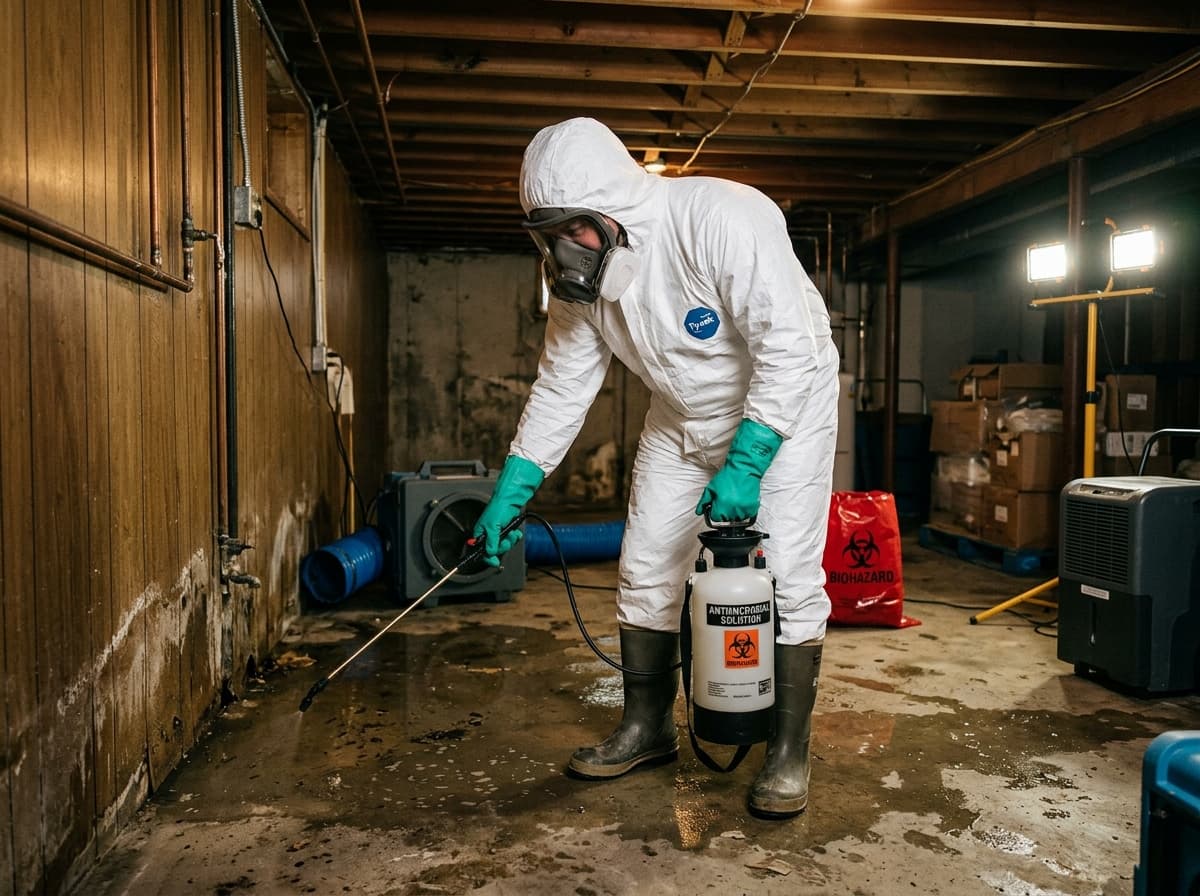
Technician in protective suit applying hospital-grade disinfectant

Key Technical Capabilities

Biohazard Class: Category 3 blackwater requires certified hazmat handling protocols
Negative Air: HEPA scrubbers vent air outside to prevent indoor contamination
Safe Disposal: Porous contaminated materials sealed and disposed of safely
Odor Neutralization: Thermal fogging and hydroxyl generators eliminate sewer gases
Sewage Hazards

Common Causes of Sewer Line Backups in Boise

Treasure Valley plumbing infrastructures face seasonal soil shifts, tree root intrusion, and municipal main overloads.

Primary Risk

Tree Root Infiltration in Sewer Lines

Mature Boise shade trees send roots into clay and cast-iron sewer pipe joints, creating dense root balls that trap solids and cause total line backups.

Professional Evaluation Recommended•

Municipal Sewer Main Surges

Heavy storm downpours can surcharge city sewer mains, forcing pressurized sewage back through residential lateral lines into basement drains and toilets.

Professional Evaluation Recommended•

Collapsed or Broken Sewer Pipes

Shifting soils or corroded Orangeburg and cast-iron sewer lines beneath older Boise properties fracture, preventing wastewater discharge.

Professional Evaluation Recommended•

Grease and Fat Buildup

Congealed cooking fats and grease poured down kitchen drains solidify inside private lateral lines, causing blackwater to bubble up through floor drains.

Professional Evaluation Recommended•

Toilet & Waste Stack Clogs

Flushing non-dispersible items (wipes, sanitary products) creates blockages that cause second-floor toilets to overflow down through living rooms.

Professional Evaluation Recommended•

Failed Backflow Prevention Valves

Properties lacking functional check valves or backwater valves allow municipal sewer overflows to enter low-lying basement plumbing fixtures.

Professional Evaluation Recommended•
Safety Protocol

Critical Safety Steps for a Sewage Backup

Never attempt DIY sewage cleanup. Inhaling aerosolized sewer gases or touching raw blackwater poses severe biological infection risks.

Safety Precaution

Do Not Risk Personal Safety

Electrical shock, structural drywall collapse, and biohazardous water present genuine hazards. If an area feels unsafe, evacuate and let professional crews assess the site.

Call for Immediate Sewage Cleanup(208) 314-1188
01

Evacuate the Contaminated Area

Keep all family members, occupants, and pets completely out of affected rooms. Close doors to isolate sewer odors.

02

Stop Using All Plumbing Fixtures

Do not flush toilets, run sinks, use showers, or run washing machines. Any water introduced into plumbing will increase backup volume.

Every gallon added to household drains will spill out into the contaminated area.
03

Turn Off Central HVAC Systems

Shut off heating and air conditioning units immediately to prevent airborne bio-contaminants and odors from circulating throughout your home.

04

Never Touch Sewage Bare-Handed

Avoid contact with contaminated water, sludge, or damp items. If accidental skin contact occurs, wash thoroughly with antibacterial soap.

05

Call Our Direct Boise Line

Call (208) 314-1188 to dispatch certified biohazard cleanup technicians equipped with PPE, air scrubbers, and hospital disinfectants.

Decontamination Steps

Our 6-Step Sewage Biohazard Remediation Process

Sewage decontamination follows strict hospital-grade sanitization and environmental safety protocols.

Phase 1: Emergency Stabilization & Assessment (Steps 1–3)Phase 2: Scientific Drying & Verification (Steps 4–6)
Step 01
Phase 1

PPE Gear-Up & Containment Setup

Biohazard Isolation

Technicians don full Tyvek suits, P100/organic vapor respirators, and seal the contaminated perimeter with plastic air barriers.

Step 02
Phase 1

HEPA Negative Air Scrubbing

Air Filtration

Negative air machines filter indoor air through HEPA filters and exhaust outdoors, preventing airborne pathogens from migrating.

Certified Mitigation Protocol
Step 03
Phase 1

Blackwater Extraction & Sludge Removal

Biohazard Pumping

Specialized vacuum extractors evacuate liquid blackwater and solid sludge into sealed containment containers for legal disposal.

Certified Mitigation Protocol
Step 04
Phase 2

Controlled Removal of Porous Materials

Safe Disposal

Contaminated carpets, pads, baseboards, and lower drywall are cut away, double-bagged, and safely transported for disposal.

Certified Mitigation Protocol
Step 05
Phase 2

Hospital-Grade Antimicrobial Sanitization

Chemical Decontamination

Structural framing and concrete subfloors are scrubbed and treated with EPA-registered hospital-grade biocides to kill pathogens.

Certified Mitigation Protocol
Step 06
Phase 2

Structural Drying & Odor Neutralization

Final Clearance

Industrial LGR dehumidifiers dry structural framing while thermal fogging or hydroxyl generators eliminate lingering odors.

Certified Mitigation Protocol

Ready to Initiate Sewage Cleanup?

Step 1 starts with an immediate phone intake. Local Boise crews deploy the right equipment directly to your site.

Call for Step 1 Intake(208) 314-1188
Why Choose Us

Why Certified Sewage Cleanup Is Essential

Raw sewage is a dangerous biohazard that standard cleaning products cannot remediate. Here is why Boise residents trust our network.

Standardized Mitigation Standards
Certified Protocols

Local restoration crews follow scientific structural drying principles with digital moisture mapping, thermal imaging, and calibrated air exchange rates.

Psychrometric DryingFLIR Thermal MappingEPA Antimicrobial ProtocolsDaily GPP Tracking
Our Referral Commitment

Boise Water Damage Restoration Services is an independent referral and marketing service connecting residential and commercial property owners in the Treasure Valley with vetted, licensed, and insured local water damage restoration contractors. All restoration, remediation, and repair work is performed directly by independent third-party service providers. When you call, you will be connected with a qualified local specialist available to assess your situation.

IICRC Hazmat

Full Biohazard Certification

Technicians follow IICRC S500 and S520 protocols for handling Category 3 blackwater, wearing full PPE and respirators.

Hospital Grade

EPA Hospital Disinfectants

We connect you with crews deploying EPA-registered broad-spectrum biocides that neutralize bacteria, viruses, and fungi.

Odor Neutralized

Permanent Odor Elimination

Advanced hydroxyl generators and thermal foggers break down sulfur compounds and volatile organic compounds (VOCs) at the molecular level.

24/7 Response

Fast 24/7 Dispatch Across Boise

Immediate phone intake connecting you directly to local biohazard teams across Ada and Canyon counties.

Sewage Gallery

Biohazard Cleanup Operations in Boise

Photographs showing biohazard protective gear, hospital sanitization treatments, and negative air containment setups.

Restoration technician in full PPE protective suit spraying disinfectant
On-Site Restoration

Certified technician in full PPE suit applying EPA-registered biocide.

Antimicrobial sanitization on structural concrete and framing

Deep chemical sanitization treatment eliminating microbial pathogens.

Drying setup with air scrubbers operating in sanitized room

HEPA air filtration and dehumidifiers operating under negative air containment.

Comprehensive Restoration Network

Related Water Damage Services in Boise

Water damage rarely occurs in isolation. Explore closely related restoration and mitigation solutions commonly coordinated alongside this service.

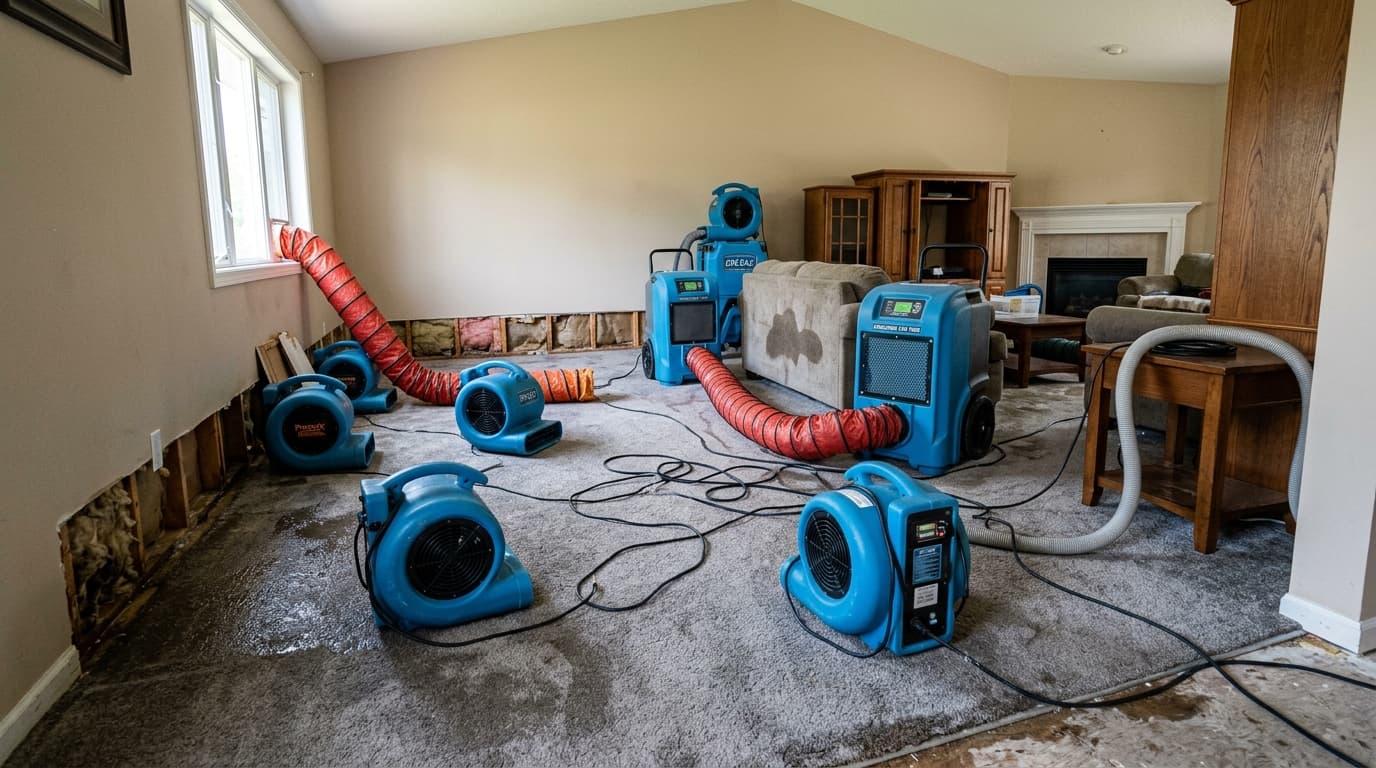
Commercial flood cleanup and drying equipment operating in flooded Boise home
Flood Cleanup

Flood Damage Cleanup

Flood damage differs significantly from clean plumbing pipe leaks. Water originating from storm runoff, outdoor river overflow, or street drainage is classified as Category 2 (greywater) or Category 3 (blackwater), carrying dangerous biohazards, silt, petrochemical residues, and bacteria into living spaces.

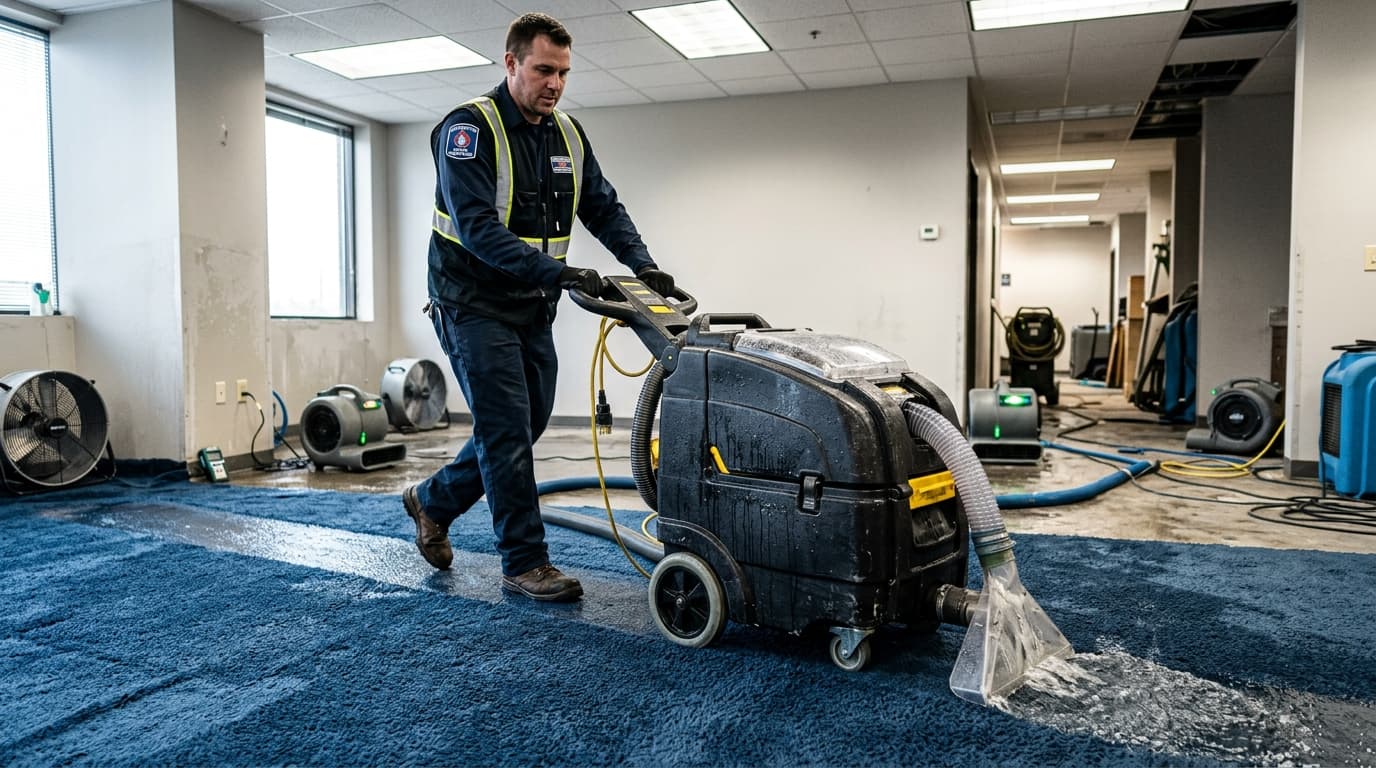
Technician operating commercial water extraction wand removing water from saturated residential flooring in Boise
Water Extraction

Water Extraction & Removal

Water extraction is the physical removal of standing and trapped liquid water from finished flooring, subflooring, and structural surfaces. In any water loss event, extracting water physically is dramatically faster and more efficient than relying solely on dehumidifiers to evaporate standing pools.

Emergency water damage restoration technician assessing active water loss in a Boise residence
Emergency Restoration

Emergency Water Damage Restoration

A sudden water loss is a high-stakes emergency. Water flows along the path of least resistance, rapidly migrating beneath baseboards, down interior wall cavities, and into structural floor joists. Within hours of exposure, drywall softens, wood framing begins absorbing liquid, and carpets delaminate from secondary backing.

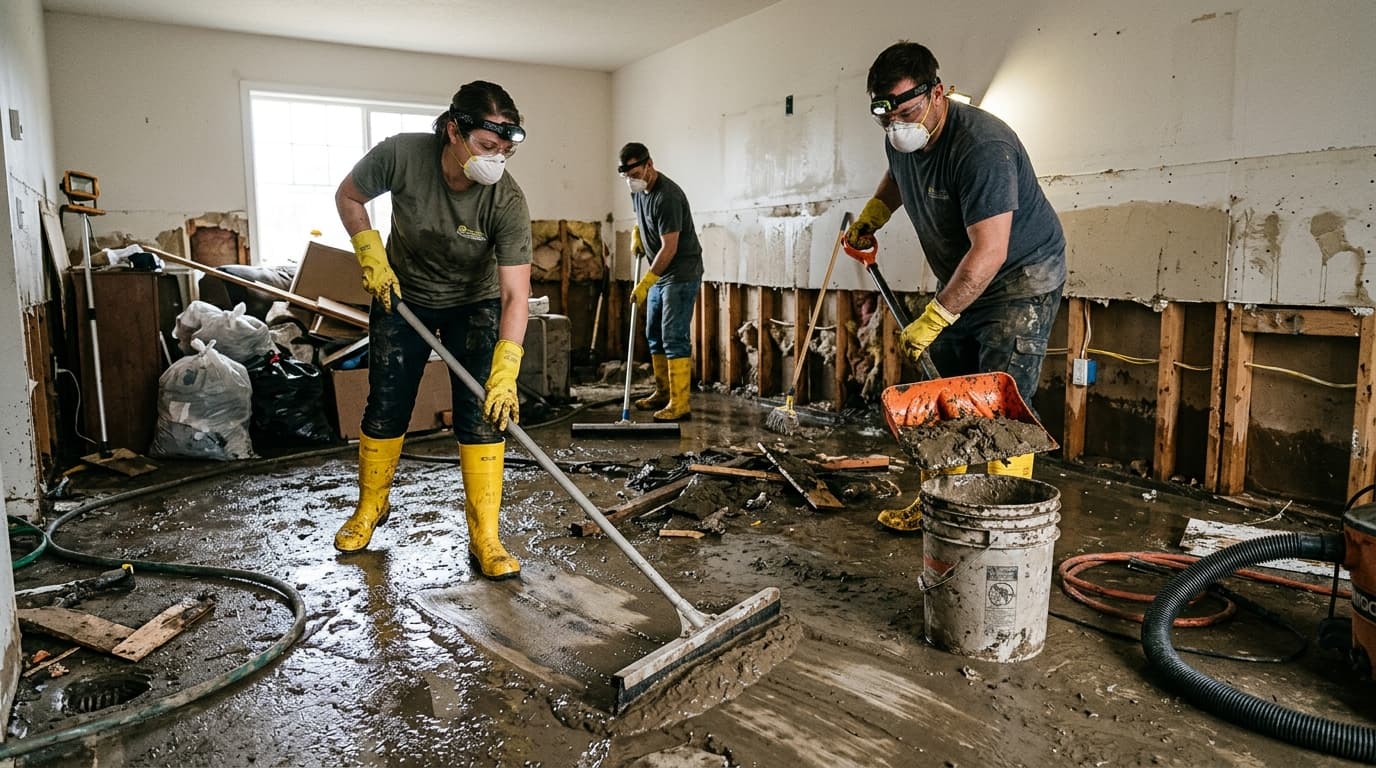
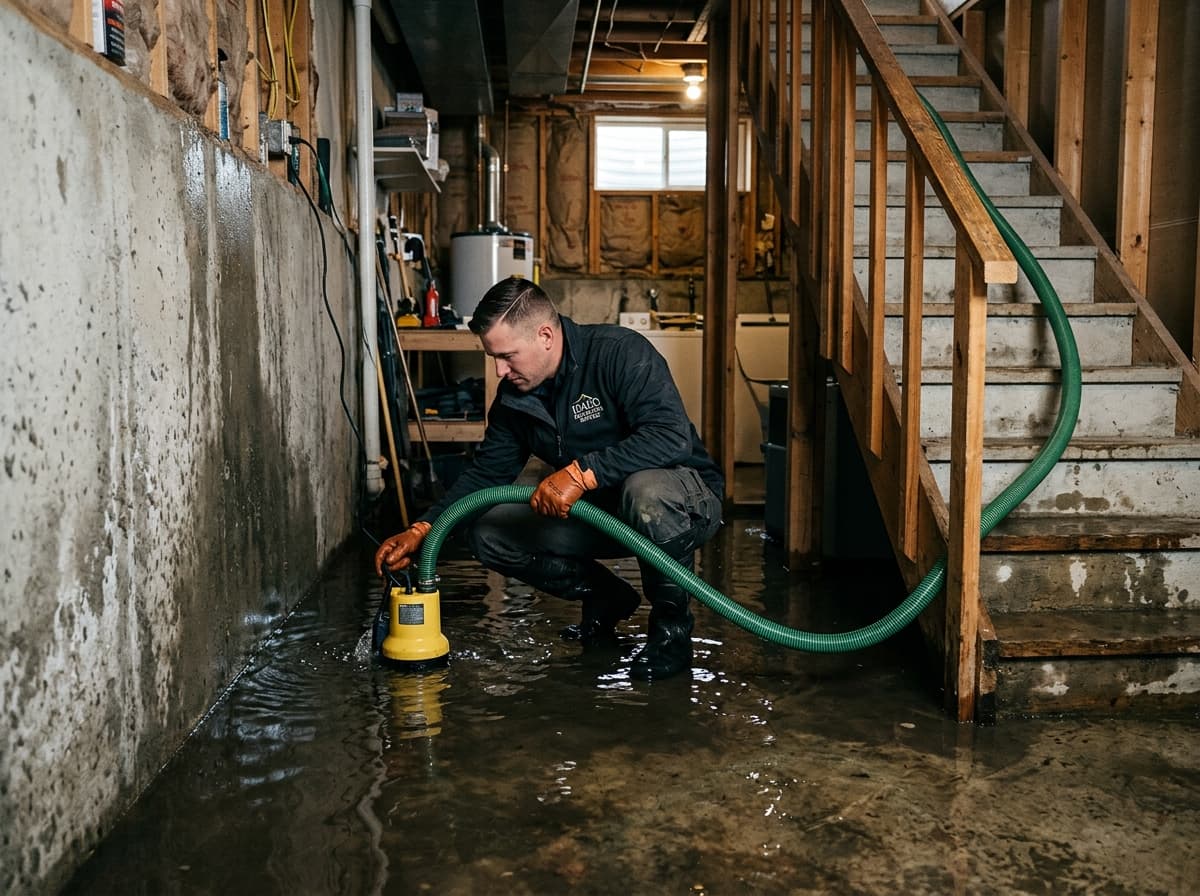
Technician deploying submersible pump and extraction tools in flooded Boise basement
Basement Water Removal

Basement Water Removal

A flooded basement presents unique structural and environmental challenges. Because basements are located below grade and surrounded by damp soil, cool temperatures and high subterranean humidity prevent natural evaporation. When a sump pump fails, a foundation seam leaks, or a water heater ruptures, standing water pools across concrete slabs and soaks into wall bases.

Sewage Cleanup Service Coverage

Sewage Cleanup in Boise & Nearby Communities

When main sewer lines back up into homes or commercial properties in Boise, Meridian, Garden City, Eagle, or Nampa, our biohazard restoration network responds promptly with full protective equipment.

18 Live Dispatch Hubs20–45 Min Avg ResponseAda & Canyon County Mobile Fleet
Select Your City or Area:
Click to inspect map
Boise Mobile Response Unit
Ada County

Dedicated water extraction truck and moisture detection specialists on standby for Boise residences and commercial facilities.

Typical Arrival:
20–30m
Key Boise Neighborhoods:
Downtown BoiseNorth EndBoise BenchSoutheast BoiseWest BoiseHighlandsHarris RanchCollisterWarm SpringsColumbia Village
Natural Geographic Coverage Map

Loading Natural Treasure Valley Map...

Plotting 18 live dispatch zones across Ada & Canyon County

Expert Answers

Frequently Asked Questions About Sewage Cleanup

Have questions about timelines, equipment, or what happens during sewage cleanup in Boise? Here are direct, practical answers to common homeowner inquiries.

Have Another Question?

Speak Directly With a Specialist

Every water loss is unique. Call our direct Boise line to discuss your specific property situation with zero waiting.

Direct Boise Emergency Line(208) 314-1188
Call With Your Question(208) 314-1188

No. Household bleach cannot penetrate porous concrete or wooden framing to kill deep bacteria, and handling raw sewage without professional PPE (respirators, biohazard suits) exposes you to dangerous airborne pathogens, hepatitis, and E. coli. Professional hazmat remediation is essential.

BOISE DISPATCH ON-CALL 24/7/365

Facing a Raw Sewage Backup in Boise?

Do not risk your family's health with hazardous blackwater. Call our direct Boise line right now for immediate biohazard response.

Immediate Phone Intake • No Waiting
Call for Sewage Cleanup Help(208) 314-1188
Average on-site arrival: under 45 minutes across Ada & Canyon
Licensed & Vetted Local Crews24/7/365 On-Call Crews4.9★ Local Boise Rating