
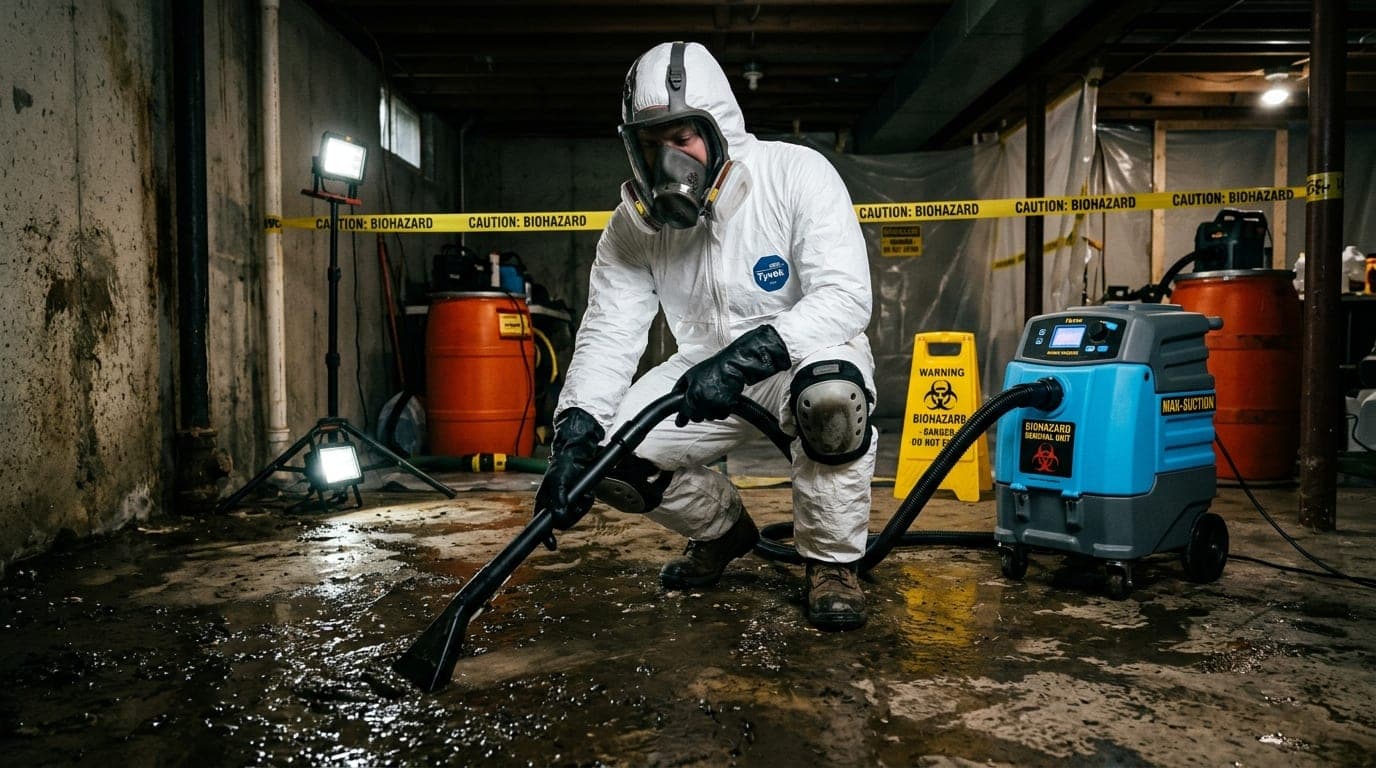
A sewage backup is a critical medical biohazard. Immediately evacuate all children, elderly individuals, and pets from the contaminated area. Shut off your central HVAC heating and cooling system to prevent airborne enteric pathogens from circulating throughout the home, and do not flush toilets or run faucets. Never attempt to clean black water using household towels or wet/dry shop vacuums, which exhaust millions of aerosolized fecal bacteria into your breathing air. Contact an IICRC-certified restoration company immediately for emergency extraction. Certified crews establish negative-air plastic containment barriers, wear full Tyvek hazmat PPE, extract all contaminated wastewater, remove porous materials (drywall, carpet, padding, insulation), and apply hospital-grade EPA-registered biocides to framing members.
- Category 3 Biohazard: Raw sewage carries over 120 known viral and bacterial pathogens, including Hepatitis A, Norovirus, E. coli, Salmonella, and Giardia.
- Shut Down HVAC Immediately: Running forced-air furnaces or air conditioning pulls aerosolized sewer gas and airborne fecal dust into the home's ductwork.
- Porous Materials Cannot Be Saved: Under IICRC S500 standards, saturated carpet, padding, drywall, and baseboards cannot be disinfected internally and must be cut out and discarded.
- Boise Root Intrusion Hotspots: Older neighborhoods (Boise North End, Boise Bench, Garden City) with vitrified clay or cast-iron sewer laterals suffer frequent root blockages.
- Insurance 'Sewer Backup' Endorsement: Standard homeowners insurance does NOT cover sewage backups automatically; homeowners must have an optional Water Backup rider.
Dealing with Active Water Intrusion?
Reading guides takes time—standing water causes framing damage within hours. Speak directly with a local Boise specialist.
1. The Biological Hazard: What Is Actually Inside Raw Sewage?
Homeowners often perceive a sewage backup as an unpleasant plumbing spill. In the medical and restoration communities, it is classified as a hazardous biological loss.
Wastewater originating from residential municipal sewer mains or septic tanks contains high concentrations of human fecal matter, urine, industrial chemicals, street runoff, and decaying organic waste. When black water enters a home in [Boise](/) or Meridian, it brings a cocktail of infectious agents that threaten human life:
Never Use a Domestic Shop Vacuum
Never attempt to vacuum raw sewage using a standard household wet/dry shop vacuum. The exhaust port of consumer vacuums lacks true HEPA filtration and acts as a bioweapon, blasting millions of aerosolized fecal bacteria and viral droplets directly into your living room air.
Infectious Pathogenic Bacteria
A single milliliter of raw sewage contains millions of live bacterial cells. The most prevalent include *Escherichia coli* (E. coli), *Salmonella enterica*, *Shigella*, and *Campylobacter jejuni*.
Exposure through skin abrasions, eye contact, or inadvertent ingestion causes severe gastroenteritis, hemorrhagic colitis, septicemia, and kidney failure. Furthermore, endotoxins released from disintegrating gram-negative bacterial cell walls trigger severe endotoxic lung inflammation when inhaled.
Resilient Enteric Viruses
Sewage harbors virulent human enteric viruses, including **Hepatitis A**, **Rotavirus**, **Adenovirus**, and **Norovirus**. Unlike fragile bacteria, viral particles possess protective protein capsids that allow them to survive on damp drywall, concrete, and carpet fibers for up to 60 days.
Inhaling microscopic droplets aerosolized by domestic vacuuming or footsteps can lead to acute hepatitis liver infection or violent gastrointestinal illnesses.
Parasitic Protozoa & Helminths
Black water contains microscopic cysts of *Giardia lamblia* and *Cryptosporidium parvum*. These protozoan cysts possess hard outer shells that resist standard domestic chlorine bleach and cause chronic, debilitating intestinal illness lasting for weeks.
This severe microbiological threat is why OSHA 29 CFR 1910.1030 mandates that technicians performing sewage backup cleanup and biohazard cleanup must wear full Personal Protective Equipment (PPE).
2. Why Do Sewer Lines Back Up Across the Treasure Valley?
Sewage backups in Southwest Idaho occur due to a combination of aging underground infrastructure, unique local hydrology, and residential plumbing habits.
Mature Tree Root Intrusion in Historic Boise Laterals
In older established neighborhoods like the **Boise North End**, **Boise Bench**, and **East End**, street trees (such as mature silver maples, cottonwoods, and elms) have extensive root systems. The private sewer lateral pipes connecting these historic homes to the city main were often constructed from vitrified clay pipe (VCP) or cast iron in 3-foot to 5-foot sections.
Over decades, ground settling opens joint seams. Tree roots seek the warm, nutrient-rich moisture inside the line, penetrating the pipe and forming dense 'root balls' that catch toilet paper and solid waste until the pipe is 100% occluded. Industry recommendations from emergency rooter specialists like SoCal Plumbing 24/7 emphasize that clearing dense underground root blockages with commercial hydro-jetting and continuous video camera line inspections is critical to restoring drainage before hazardous backflow enters living quarters.
High Groundwater & Septic Surges in Canyon County
In rural and suburban areas of Nampa, Caldwell, Kuna, and Star, thousands of properties operate on private septic tanks and drainfields. When agricultural irrigation canals begin flowing in April, the water table rises dramatically.
If the soil around a septic absorption field becomes waterlogged from groundwater, the septic tank cannot discharge effluent. Wastewater has nowhere to go and flows backward through the lowest fixtures in the home—typically basement floor drains, showers, and toilets.
Municipal Main Surcharging During Storms
During severe spring downpours or rapid snowmelt surges, street storm runoff can infiltrate city sanitary sewer mains through manhole covers and unsealed lateral joints. When the municipal sewer pipe becomes surcharged beyond its maximum capacity, sewage is forced under pressure backward into residential basements.
3. Salvageability: What Can Be Cleaned vs. What Must Be Gutted?
The most painful reality of a sewage backup is that sentimental and porous items contaminated by black water must be destroyed.
Category 3 Black Water Salvageability Standards (IICRC S500)
| Building Material | Contamination Penetration | Required Action & Protocol |
|---|---|---|
Carpet & Carpet Padding It is biologically impossible to sanitize foam padding contaminated by black water. | Liquid fecal matter and bacteria absorb instantly into synthetic fibers and polyurethane foam. | Mandatory Disposal. Carpet padding and carpeting must be sliced, rolled, bagged in 6-mil poly, and discarded. |
Drywall & Fiberglass Insulation Wet fiberglass insulation in wall cavities must be removed and replaced. | Drywall core wicks contaminated water up to 24 inches above waterline; paper facing absorbs bacteria. | Mandatory Flood Cut. Sheetrock must be cut neatly 12 to 24 inches above the highest wet point and discarded. |
Hardwood & Laminate Flooring Subfloor must be exposed, pressure-washed with biocides, and dried. | Sewage seeps between tongue-and-groove joints, absorbing into subfloor and wood cell cavities. | Mandatory Removal. Black water cannot be sanitized from underlayment or beneath wood planks. |
Poured Concrete & Masonry Footings Concrete dries quickly once water is extracted and dehumidifiers are set up. | Semi-porous; absorbs moisture into surface pores but retains structural integrity. | Salvageable. Requires commercial hot-water pressure extraction, wire scrubbing, and hospital-grade EPA biocide wash. |
Solid Framing Lumber (2x4 Studs) Studs remain structurally sound once certified dry (<15% WMC). | Surface absorbs contaminants; dense wood core resists deep pathogen penetration. | Salvageable. Technicians wire-brush studs, wash with quaternary ammonium biocides, and apply antimicrobial sealants. |
4. Immediate Safety Plan: What to Do While Waiting for Hazmat Crews
Your actions in the first 30 minutes following a sewer backup protect your family's health and prevent cross-contamination into clean living spaces.
Immediate Action Checklist for Sewage Inundation
0 of 5 completedRemove young children, pregnant women, elderly family members, and pets from the structure. Their immune systems are highly vulnerable to enteric pathogens.
Switch your thermostat to OFF. Do not allow forced-air blowers to draw contaminated air from the basement or bathroom into bedrooms.
Do not flush toilets, run kitchen faucets, or take showers. Any water entering the drainage system will directly increase the volume of sewage backing up into the home.
Close interior doors leading to the flooded basement or bathroom. Place damp towels along bottom gaps to contain airborne odors and spore drift.
Call your insurance agent to confirm if your policy includes an optional 'Water Backup of Sewer or Drain' rider, which provides $10,000 to $25,000+ in cleanup coverage.
5. Professional IICRC S500 Sewage Remediation & Decontamination
Remediating raw sewage is not a janitorial task. It is an environmental containment operation executed under strict federal and industry guidelines.
Certified restoration contractors follow an engineered cavity drying protocol governed by IICRC S500 standards to ensure structural safety and healthy indoor air:
Preventing Future Backups
Once the emergency is resolved, have a licensed plumber install a mechanical **Backwater Prevention Valve** on your main sewer lateral. This one-way flapper valve allows home sewage to exit, but automatically locks shut if the city main backs up.
Phase 1: Negative-Pressure Biohazard Containment
Technicians erect heavy 6-mil poly containment chambers around the affected zone. Industrial HEPA air scrubbers are ducted to the outdoors, creating negative air pressure to guarantee that airborne bacteria and foul odors cannot escape into unaffected living spaces.
Phase 2: Bulk Black Water Extraction
Truck-mounted vacuum units equipped with specialized biohazard waste holding tanks extract standing liquid, sludge, and human waste directly from floors without manual handling.
Phase 3: Controlled Demolition & Hazmat Bagging
Saturated carpeting, foam pads, baseboards, and drywall (cut 12–24 inches above the water mark) are stripped. All contaminated debris is double-bagged in sealed 6-mil hazmat bags and transported for proper biohazard disposal.
Phase 4: Hospital-Grade Biocide Decontamination
All structural concrete, floor joists, and wall studs are scrubbed with heavy-duty surfactants, followed by high-pressure hot-water extraction. Technicians apply EPA-registered broad-spectrum botanical or quaternary ammonium biocides proven to eliminate Hepatitis, Norovirus, and E. coli.
Phase 5: Psychrometric Drying & Clearance Verification
Commercial Low-Grain Refrigerant (LGR) dehumidifiers and air movers dry structural framing to safe baseline standards (<12% WMC). After drying, ATP (adenosine triphosphate) bioluminescence surface swab testing or microbial clearance sampling confirms the space is biologically safe for rebuilding.
Dealing with a Sewage or Septic Backup in Boise?
Do not risk your family's health. Our certified biohazard response team arrives within 35 to 45 minutes equipped with truck-mounted black water extraction units and full PPE.
Related Water Restoration Services in Boise
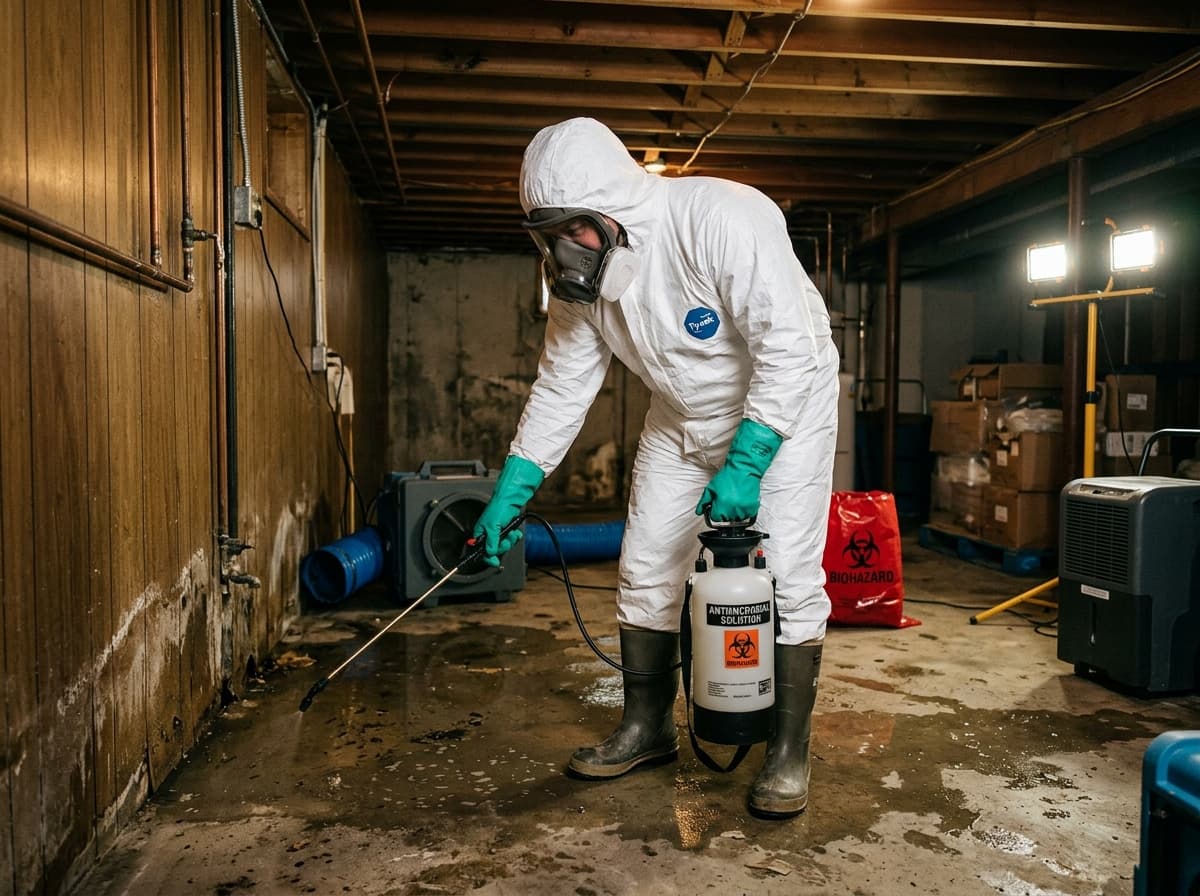
Sewage Cleanup & Decontamination
Raw sewage contains lethal pathogens, viruses, coliform bacteria, and chemical contaminants classified under IICRC S500 as Category 3 blackwater. Whether caused by a main sewer line blockage, tree root intrusion, toilet overflow, or municipal storm surcharge, exposure presents severe health hazards. Our certified Boise sewage cleanup technicians deploy 24/7 with full hazmat PPE, high-capacity vacuum extraction, and hospital-grade biocides to decontaminate basements, crawl spaces, and commercial properties across Boise, Meridian, Nampa, Caldwell, and the Treasure Valley.
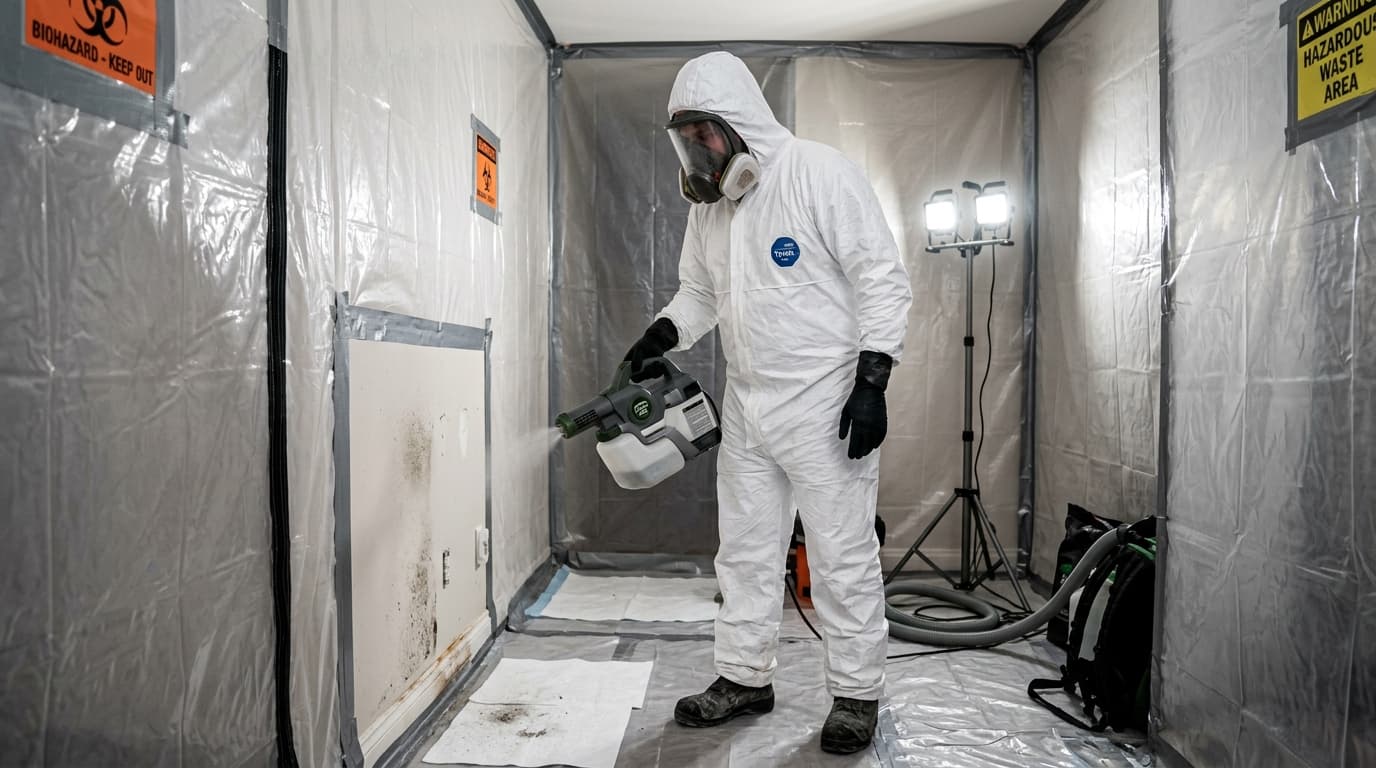
Biohazard Cleanup & Decontamination
When trauma, unattended death, bloodborne pathogens, infectious biological waste, or hazardous chemicals compromise your Boise home, business, or vehicle, surface cleaning is never enough. Our network connects Treasure Valley property owners with licensed biohazard cleanup companies certified under OSHA 29 CFR 1910.1030 and EPA standards. Equipped with medical-grade PPE, hospital-grade broad-spectrum disinfectants, negative air containment, and licensed biohazard waste disposal manifests, we ensure complete, discreet decontamination.
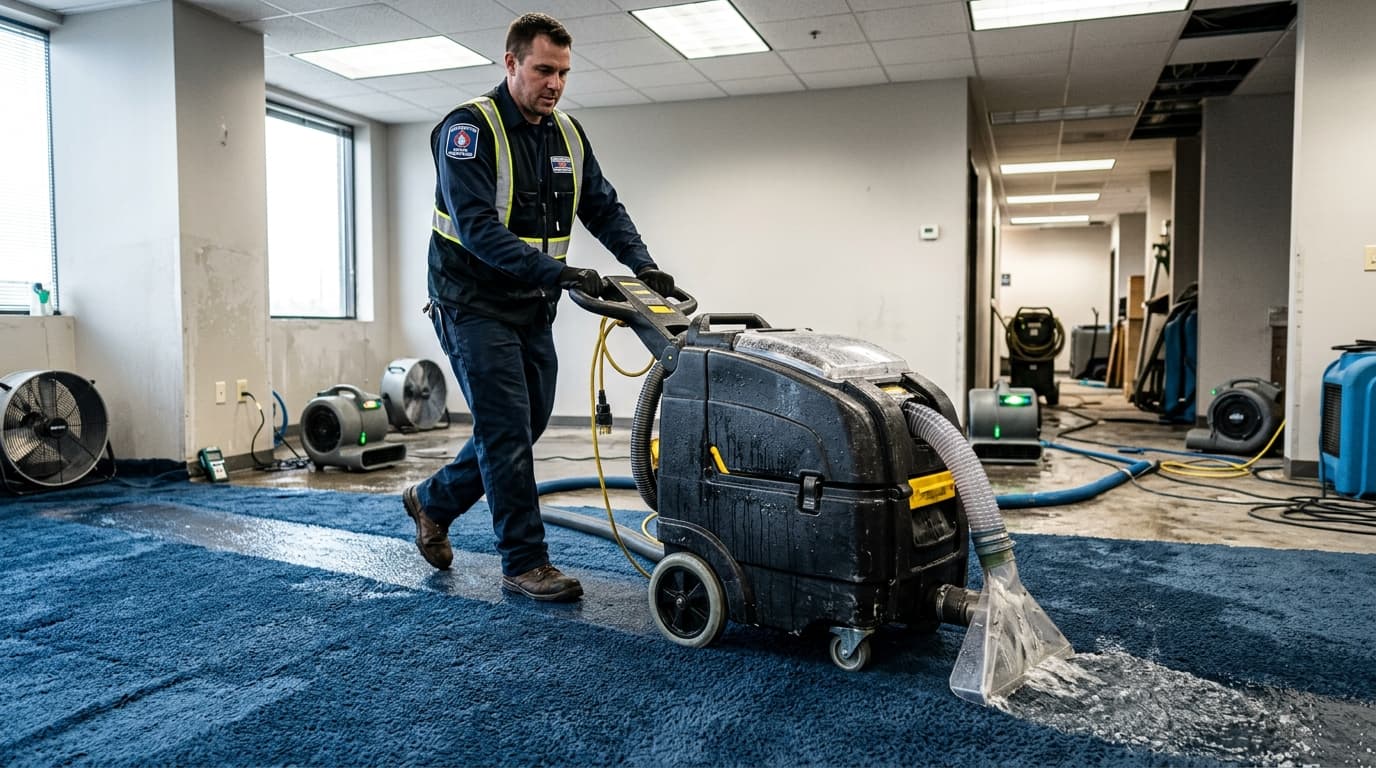
Water Extraction & Removal
Physical extraction is 1,200 times faster than evaporation. When standing water accumulates on hardwood, tile, carpet, or concrete subfloors, commercial truck-mounted extraction wands and submersible pumps pull thousands of gallons out before deeper structural absorption occurs.
Nearby Treasure Valley Service Areas
Written by Boise Restoration Editorial Team
Biohazard & Environmental SpecialistsCertified microbial and biohazard remediation supervisors specializing in IICRC S500 Category 3 extraction, infectious pathogen containment, and structural sanitization across Ada and Canyon counties.
Sources & References
The factual recommendations, contamination categories, and psychrometric principles in this guide are directly grounded in the following official government disaster protocols and ANSI/IICRC restoration standards:
- 1ANSI/IICRC S500 Standard and Reference Guide for Professional Water Damage RestorationInstitute of Inspection, Cleaning and Restoration Certification (IICRC) • 2026
Establishes strict protocols for Category 3 black water extraction, material gutting, and clearance testing.
- 2Occupational Exposure to Bloodborne Pathogens and Biohazards (29 CFR 1910.1030)Occupational Safety and Health Administration (OSHA) • 2024
Mandatory federal standards for personal protective equipment (PPE) and exposure control plans.
- 3Health Risks Associated with Wastewater and Raw Sewage ExposureCenters for Disease Control and Prevention (CDC) • 2024
Clinical data on viral, bacterial, and parasitic pathogens in sewage and required immunization protocols.
- 4Emergency Disinfection and Safe Cleanup After Floods and Sewer OverflowsUnited States Environmental Protection Agency (EPA) • 2025
Authoritative environmental standards for biohazard disposal and antimicrobial chemical efficacy.
Frequently Asked Questions
No, not automatically. Standard homeowners insurance policies specifically exclude water damage caused by backups from municipal sewers, drains, and septic systems. To be covered, you must have an optional endorsement known as a 'Water Backup and Sump Overflow Rider' on your policy. Check our Idaho insurance coverage guide for detailed advice.
Continue Learning About Water Damage
Categories of Water Damage Explained: Clean, Gray, and Black Water Cleanup Protocols
Not all water is created equal. A supply line break requires a completely different recovery protocol than a dishwasher overflow or sewage backup. Here is how IICRC standards classify water damage and why category dictates whether your drywall can be saved.
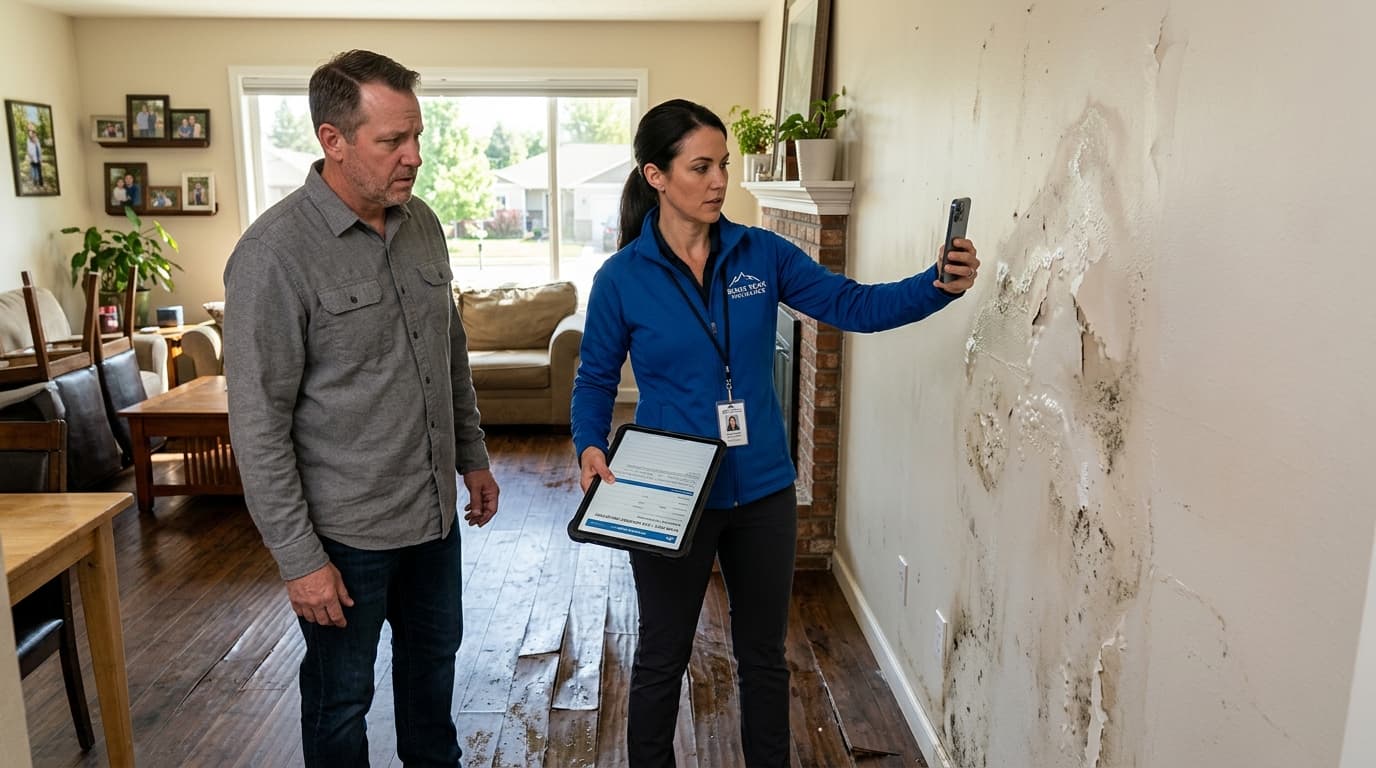
Does Homeowners Insurance Cover Water Damage in Idaho? Complete Claim Guide
When facing thousands in water damage repairs, your first question is: Will insurance pay for this? Here is the exact breakdown of covered vs non-covered water losses under Idaho homeowner policies.
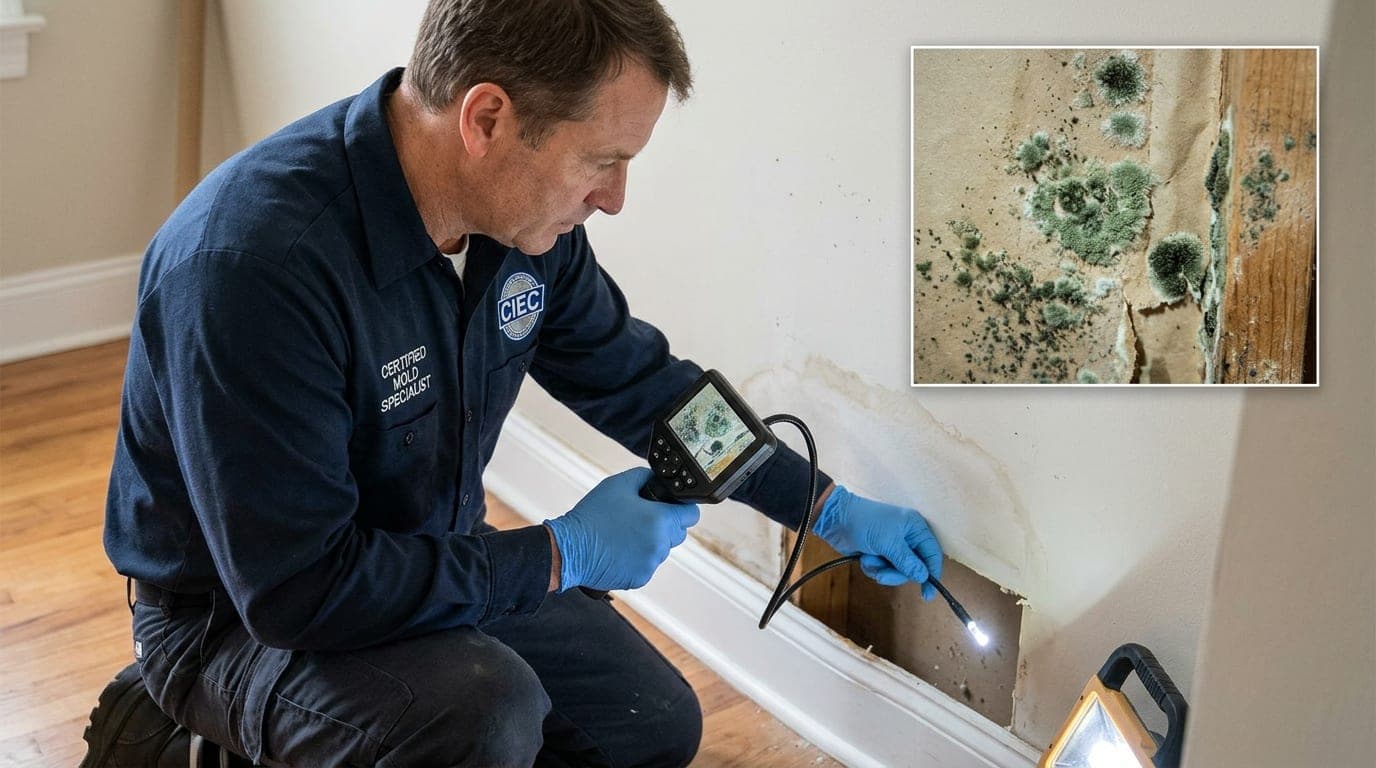
How Fast Does Mold Grow After Water Damage? The 24–48 Hour Window in Boise, ID
Mold does not wait. Spores begin germinating within 24 to 48 hours of water exposure. Explore the scientific biological growth timeline, how fast black mold colonizes drywall, and how certified crews halt microbial amplification across the Treasure Valley.