
Under ANSI/IICRC S500 standards, water damage is categorized into three biological contamination levels: Category 1 (clean supply water from broken pipes), Category 2 (gray water from dishwashers, washing machines, or sump pumps with chemical/biological agents), and Category 3 (grossly contaminated black water from sewage backups, river floods, or water stagnant >48 hours). In Category 1 losses, drywall and carpeting can frequently be dried in place if extracted promptly. In Category 2 and 3 losses, porous materials like carpet padding, drywall, and insulation must be removed and replaced to prevent toxic pathogen exposure.
- Category 1 (Clean Water): Sanitary water from plumbing supply lines; safe to dry in place if extracted within 24–48 hours.
- Category 2 (Gray Water): Contains detergents, bacteria, or skin cells; porous carpet padding and insulation must be discarded.
- Category 3 (Black Water): Pathogenic biohazard containing E. coli, sewage, or river runoff; requires full PPE and gutting of porous materials.
- The 24–48 Hour Degradation Rule: Category 1 clean water naturally transforms into Category 2 or 3 if left standing in heated indoor spaces.
- Why 'Flood Cuts' Exist: Drywall exposed to Category 2 or 3 water cannot be disinfected internally and must be cut 12–24 inches above the waterline.
Dealing with Active Water Intrusion?
Reading guides takes time—standing water causes framing damage within hours. Speak directly with a local Boise specialist.
1. The IICRC S500 Water Classification Standard
The Institute of Inspection, Cleaning and Restoration Certification (IICRC) publishes the S500 Standard, the universally accepted benchmark used by certified mitigation contractors, industrial hygienists, and insurance adjusters.
Water damage is not assessed solely by the volume of liquid on the floor, but by the level of biological, chemical, and particulate contamination present at the point of origin. Misclassifying contaminated water as 'clean' risks exposing your family to enteric viruses, parasitic protozoa, and toxic mold spores.
Whether you are dealing with a burst copper supply line in [Boise](/), an irrigation canal overflow in Caldwell, or a mainline sewer backup in Garden City, accurately identifying the water category is the first step in formulating a safe mitigation strategy.
Water Contamination Is Time-Sensitive
Category is not static. A clean water leak from a water heater (Category 1) will absorb soil, dissolve carpet adhesives, and foster bacterial growth, degrading into Category 2 within 24 hours and Category 3 within 48 hours.
2. Category 1: Clean Water Intrusion
Category 1 water originates from a sanitary source and does not pose substantial harm to humans upon contact or accidental inhalation.
Common Category 1 Sources in Treasure Valley Properties
- Ruptured copper, PEX, or CPVC potable water supply lines.
- Failed water heater tanks discharging fresh hot water.
- Overflowing bathroom sinks, bathtub faucets, or toilet supply hoses (before reaching the bowl).
- Clean rainwater entering through a newly broken window or skylight.
- Commercial fire sprinkler line discharges.
Salvageability and Drying Protocol
Because Category 1 water carries no initial pathogen load, structural components can often be preserved without destructive demolition. Commercial water extraction and removal combined with structural drying and dehumidification can save hardwood floors, subfloors, and intact drywall.
However, speed is critical. If mechanical extraction is delayed past 24 to 48 hours, warmth and organic cellulose in drywall paper stimulate rapid microbial colonization, causing the loss to degrade into Category 2 or 3.
3. Category 2: Gray Water Intrusion
Category 2 water contains significant chemical, physical, or biological contamination capable of causing irritation, discomfort, or sickness upon human exposure.
Typical Category 2 Scenarios
- Washing machine drain hose discharges containing surfactants, lint, and biological residue.
- Dishwasher overflow water loaded with detergents and food grease.
- Toilet bowl overflows containing urine and toilet paper (without fecal matter).
- Sump pump pit overflows in crawl spaces or finished basements.
- Water that has remained stagnant in wall cavities for 24 to 48 hours.
Decontamination & Demolition Requirements
Porous materials exposed to Category 2 water absorb biological contaminants that cannot be thoroughly flushed out. Standard industry protocols mandate that carpet padding and wet fiberglass insulation must be stripped and disposed of.
Carpets may occasionally be salvaged if treated immediately with professional hot-water extraction and EPA-registered quaternary ammonium antimicrobials, but structural framing studs require direct application of biocides before industrial air movers are engaged.
4. Category 3: Grossly Contaminated Black Water
Category 3 water is highly unsanitary and contains pathogenic agents, toxins, bacteria, viruses, or hazardous chemicals that pose life-safety and health risks.
Major Category 3 Scenarios in Idaho
Common Category 3 disasters across Ada and Canyon counties include mainline sewage backup cleanup, toilet overflows containing feces, seasonal canal breaches, and overland flood damage cleanup from the Boise River or agricultural ditches.
Any standing water that has remained stagnant inside a residential structure for longer than 48 hours is also automatically reclassified as Category 3 black water due to massive bacterial and fungal amplification.
- Municipal sewer line or septic tank back-ups through floor drains and toilets.
- Overland river flooding, snowmelt runoff, and agricultural canal seepage.
- Stagnant water harboring active bacterial or black mold colonies.
- Trauma scenes, bloodborne pathogen incidents, or chemical spills requiring [biohazard cleanup](/services/biohazard-cleanup-boise-id/).
Strict Biohazard Remediation Protocols
Under no circumstances should homeowners attempt to clean Category 3 black water using domestic shop vacuums or mops. Technicians must wear full Personal Protective Equipment (PPE), including Tyvek hazmat suits, nitrile inner/outer gloves, and full-face elastomeric respirators with HEPA P100 organic vapor cartridges.
All porous materials saturated by black water—including drywall, baseboards, carpet, padding, particleboard cabinetry, and upholstered furniture—must be cut out, double-bagged in 6-mil poly disposal sheeting, and safely discarded. Framing lumber must be washed with hospital-grade biocides, scrubbed with wire brushes, and treated with antimicrobial sealants.
5. Why Do Restoration Companies Cut Drywall? (The 'Flood Cut')
Homeowners are often surprised when mitigation technicians cut away the lower 12 to 24 inches of drywall in flooded rooms. This procedure—known as a 'flood cut'—is essential for several structural and health reasons:
First, water wicks upward behind walls through fiberglass insulation like a sponge. Even if the drywall surface appears dry 12 inches up, the insulation behind it may be saturated to 24 or 36 inches.
Second, closed wall cavities trap moisture, creating a dark, humid incubator where toxic mold colonies thrive unseen on the backside of sheetrock and along wooden wall plates. Performing a controlled flood cut opens the cavity to high-velocity airflow from axial air movers and allows direct inspection of electrical wiring, plumbing runs, and structural sill plates.
In Category 2 and 3 losses, flood cuts are legally and procedurally required to remove contaminated gypsum and ensure complete sanitization before any reconstruction can proceed.
Standard Flood Cut Heights
Restoration technicians typically cut drywall 12 to 24 inches above the highest moisture waterline, or along standard 2-foot or 4-foot horizontal joints. This simplifies subsequent drywall hanging and tape-and-texture repairs.
6. Category Comparison: Source, Risk & Protocol Matrix
This quick reference guide summarizes the contamination tiers, biological hazards, and structural rules for each water category:
IICRC S500 Water Damage Category Guide
| Category | Source Examples | Handling & Salvage Protocol |
|---|---|---|
Category 1 (Clean) Degrades to Cat 2 within 24-48 hours. | Broken supply pipes, clean sink overflow, water heater rupture. | Dry in place with LGR dehumidifiers if addressed in 24–48h. Carpet and drywall usually salvageable. |
Category 2 (Gray) Mild to moderate biological risk. | Dishwasher overflow, washing machine drain, sump pump backup. | Discard carpet padding and wet insulation. Sanitize framing and subfloors with EPA-registered antimicrobials. |
Category 3 (Black) Severe biohazard and pathogenic risk. | Sewage line backups, canal/river flood, water stagnant >48 hrs. | Full PPE, negative air containment. Mandatory removal of all porous drywall, carpet, and trim. |
Related Water Restoration Services in Boise
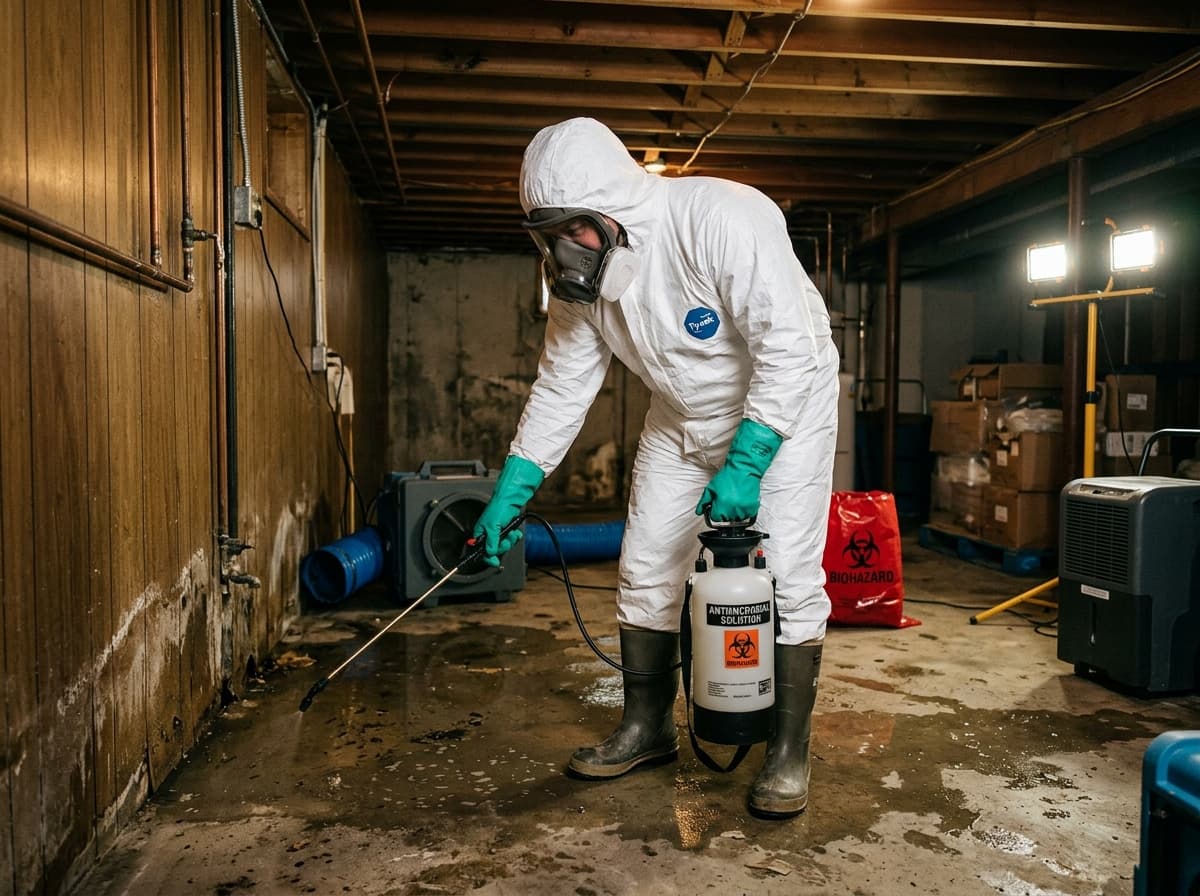
Sewage Cleanup & Decontamination
Raw sewage contains lethal pathogens, viruses, coliform bacteria, and chemical contaminants classified under IICRC S500 as Category 3 blackwater. Whether caused by a main sewer line blockage, tree root intrusion, toilet overflow, or municipal storm surcharge, exposure presents severe health hazards. Our certified Boise sewage cleanup technicians deploy 24/7 with full hazmat PPE, high-capacity vacuum extraction, and hospital-grade biocides to decontaminate basements, crawl spaces, and commercial properties across Boise, Meridian, Nampa, Caldwell, and the Treasure Valley.
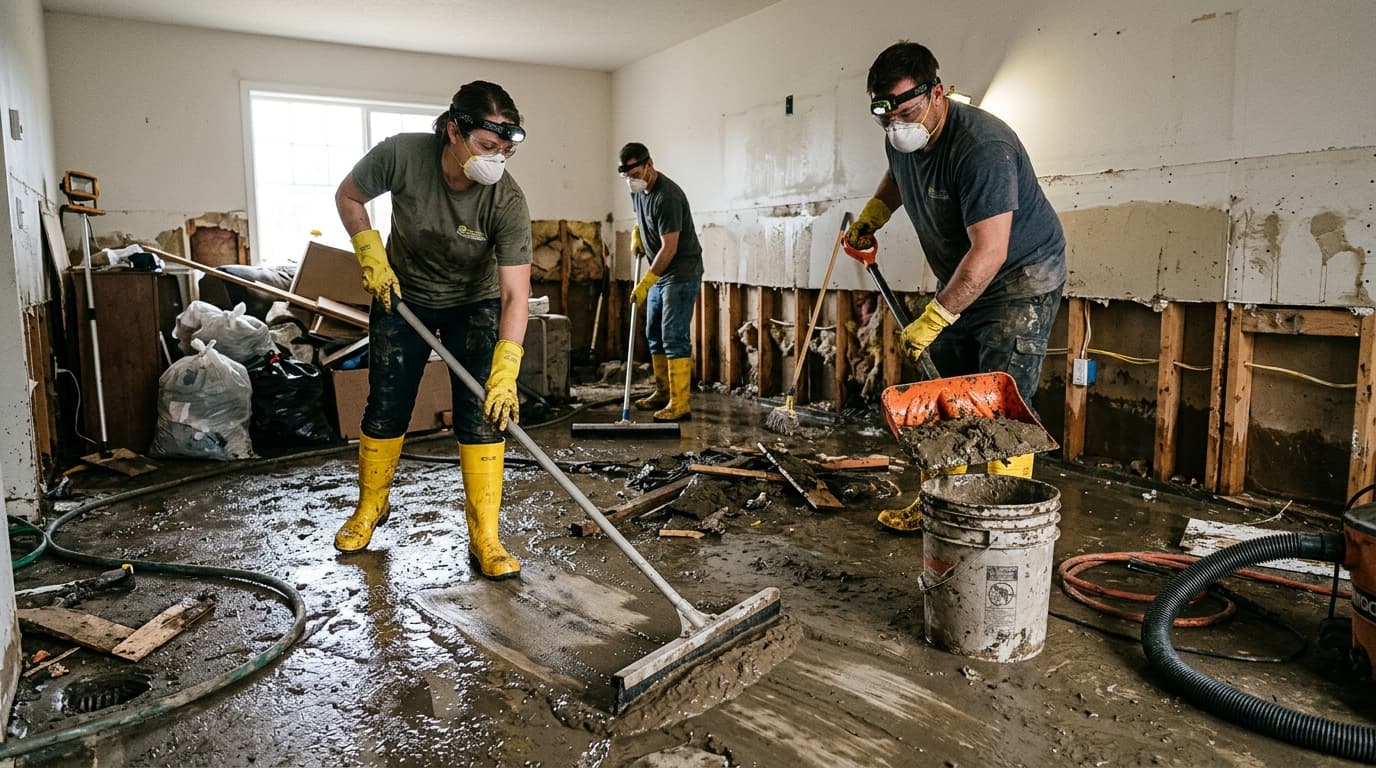
Flood Damage Restoration & Cleanup
When storms, Boise River runoff, canal overflows, or severe water intrusions flood your property, fast mitigation helps limit structural damage. We connect Boise property owners 24/7 with independent local contractors for flood damage restoration, flood water removal, debris cleanup, and structural drying across Ada and Canyon counties.
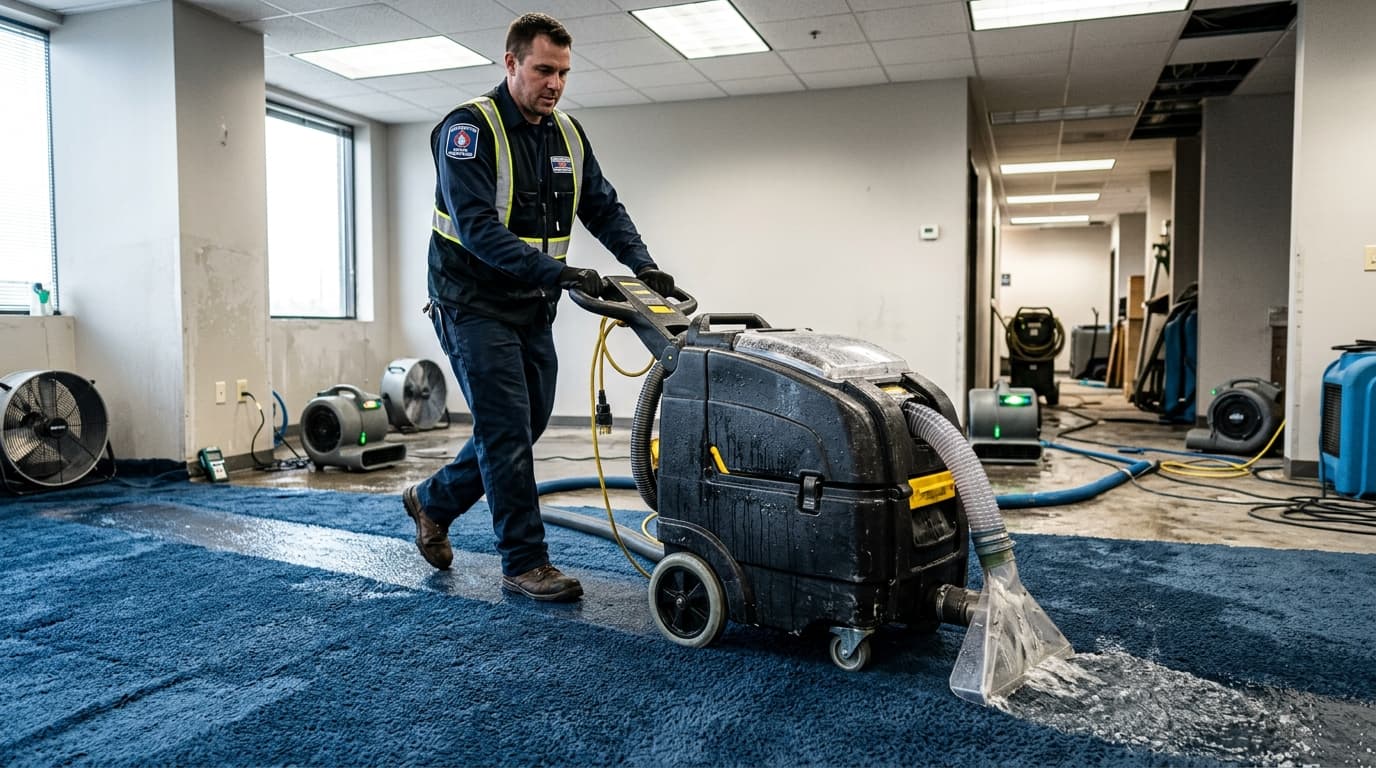
Water Extraction & Removal
Physical extraction is 1,200 times faster than evaporation. When standing water accumulates on hardwood, tile, carpet, or concrete subfloors, commercial truck-mounted extraction wands and submersible pumps pull thousands of gallons out before deeper structural absorption occurs.
Nearby Treasure Valley Service Areas
Written by Boise Restoration Editorial Team
Editorial TeamLocal technical resource team specializing in IICRC S500 water mitigation, biohazard containment, and structural restoration across the Treasure Valley.
Sources & References
The factual recommendations, contamination categories, and psychrometric principles in this guide are directly grounded in the following official government disaster protocols and ANSI/IICRC restoration standards:
- 1ANSI/IICRC S500 Standard for Professional Water Damage RestorationInstitute of Inspection, Cleaning and Restoration Certification (IICRC) • 2026
- 2Biohazard and Pathogen Containment Standards (29 CFR 1910.1030)Occupational Safety and Health Administration (OSHA) • 2026
- 3Guidelines for Environmental Infection Control in Healthcare FacilitiesCenters for Disease Control and Prevention (CDC) • 2026
Frequently Asked Questions
No. Standard household bleach is deactivated by organic matter and only kills surface microbes on non-porous surfaces. It does not penetrate deep into porous concrete, subflooring, or framing studs where sewage bacteria reside. Professional sewage remediation requires Category 3 PPE, commercial extraction, and hospital-grade EPA-registered botanical or phenolic biocides.
Continue Learning About Water Damage
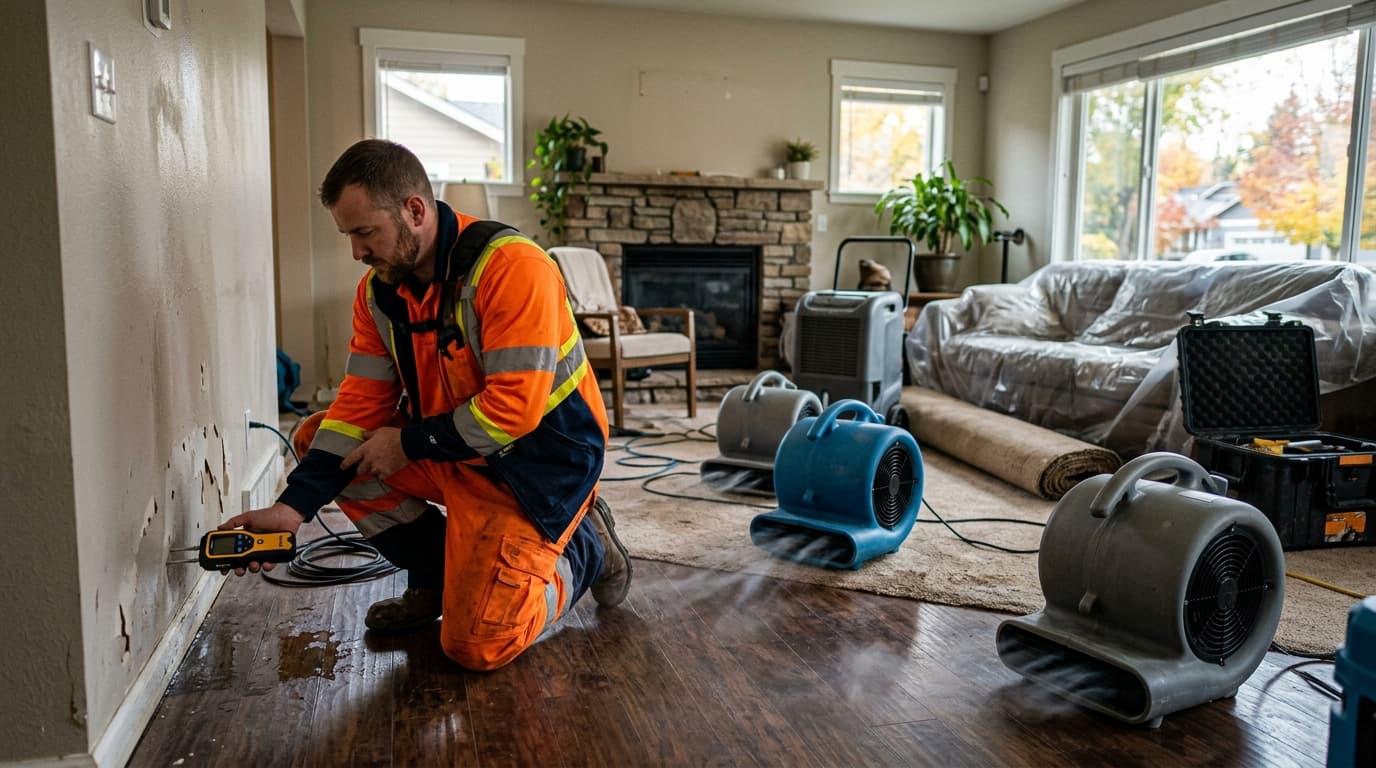
What to Do After Water Damage: A Step-by-Step Emergency Guide
When water intrudes into your living space, the first 24 to 48 hours determine whether your floors, framing, and drywall can be preserved or if destructive mold and rot take hold. Here is the verified emergency recovery sequence from certified restoration specialists.
Water Damage Timeline: What Happens in 1 Hour, 24 Hours, 48 Hours, and 1 Week
When a pipe bursts or an appliance overflows, damage does not stay static. Within minutes, water wicks into baseboards; within 24 hours, drywall weakens; and within 48 hours, microbial colonization begins. Here is the verified timeline of structural water destruction.
Boise River Runoff & Canal Flooding: Protecting Treasure Valley Homes
When seasonal mountain snowmelt swells the Boise River and hundreds of irrigation canals fill each spring, rising groundwater tables inundate basements and crawl spaces across the Treasure Valley. Here is how local property owners can protect their foundations.