
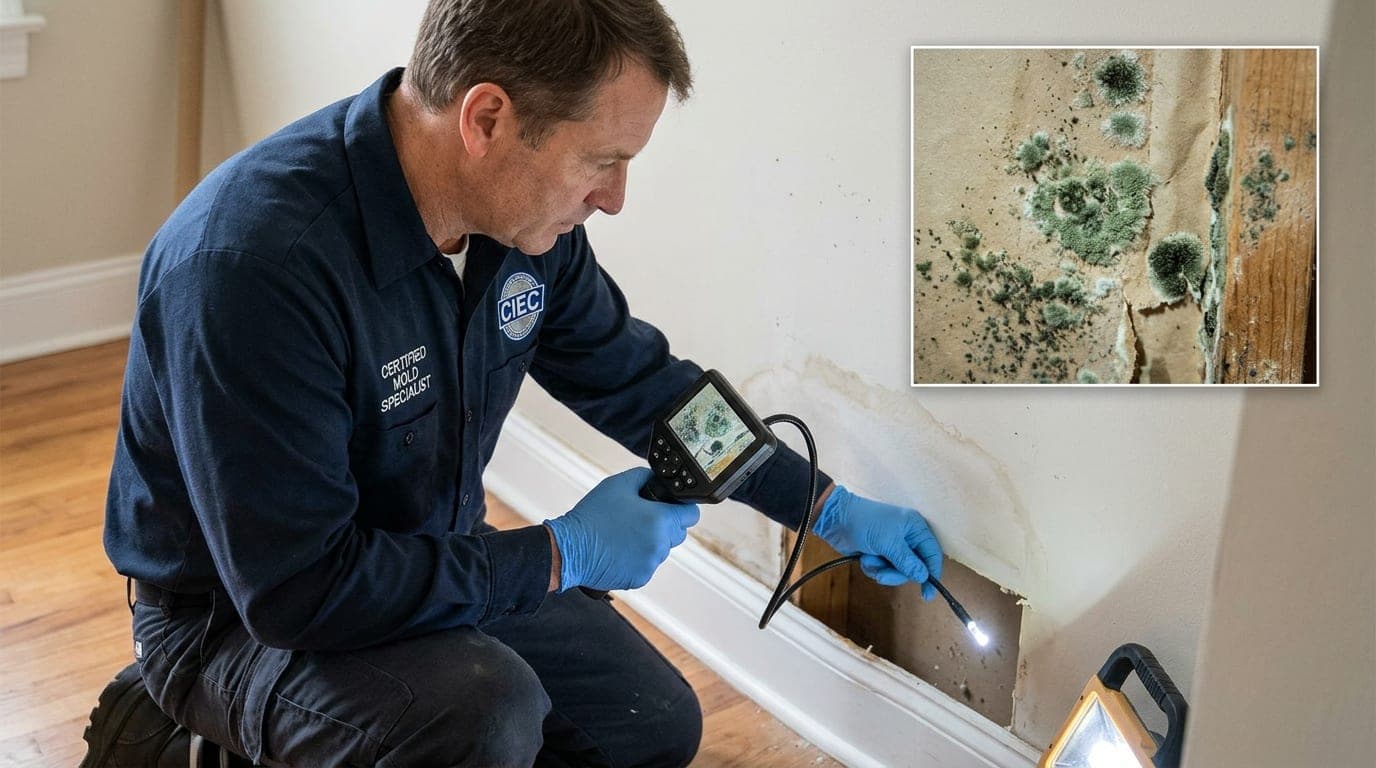
Under normal indoor temperatures (65°F to 80°F) and relative humidity levels exceeding 60%, mold spores germinate and begin colonizing wet building materials within 24 to 48 hours. By 48 to 72 hours, vegetative mycelium networks become visible to the naked eye as powdery or fuzzy patches, and spores begin actively reproducing. Slow-growing toxic black mold (Stachybotrys chartarum) typically requires 7 to 12 days of continuous saturation to establish dominance, but common allergenic species like Penicillium and Aspergillus proliferate within the first two days. To prevent mold amplification, IICRC S500 guidelines mandate extracting all standing liquid and initiating commercial dehumidification within the first 24 to 48 hours.
- The 24–48 Hour Germination Window: Dormant indoor fungal spores absorb moisture and sprout hyphae roots within 24 to 48 hours of initial water contact.
- Visible Colonization by 72 Hours: By day three, colonies begin asexual sporulation, releasing billions of airborne spores and foul-smelling microbial VOCs.
- The Cellulose Food Supply: Drywall paper facings, wood framing studs, carpet padding, and cardboard provide an immediate, nutrient-rich banquet for fungi.
- Fast vs. Slow Colonizers: Penicillium and Aspergillus colonize within 48 hours; toxic black mold (Stachybotrys) requires 7 to 12 days of persistent saturation.
- The Extraction Imperative: Running ordinary household box fans does not stop mold; industrial Low-Grain Refrigerant (LGR) dehumidifiers must drive ambient humidity below 50%.
Dealing with Active Water Intrusion?
Reading guides takes time—standing water causes framing damage within hours. Speak directly with a local Boise specialist.
1. The Biological Timeline: What Happens Hour by Hour After a Leak
Mold does not magically appear out of thin air; it undergoes a well-documented biological growth cycle governed by moisture, temperature, and organic food.
In every home across [Boise](/) and Meridian, dormant fungal spores naturally settle on horizontal surfaces, float through ambient air, and rest on drywall paper. Under dry conditions (relative humidity below 50%), these spores remain completely inactive.
However, when a plumbing line bursts, a roof ice dam leaks, or a washing machine hose ruptures, the environment instantly transforms. The microscopic timeline unfolds with alarming speed:
The 48-Hour Threshold
If professional drying equipment is engaged within the first 24 to 48 hours, structural materials can almost always be dried in place and saved. After 72 hours, drywall and insulation must be cut out and discarded under full containment.
0 to 24 Hours: Spore Hydration & Germination
Within the first hour of water contact, dormant spores absorb moisture through their porous cell walls (a process called imbibition). Within 12 to 24 hours, the hydrated spore swells and breaches its outer shell, sprouting a germ tube.
At this stage, mold is completely invisible to the naked eye, and no musty odor is present. However, cellular metabolism has begun. Immediate water extraction services during this window halts the cycle before physical damage occurs.
24 to 48 Hours: Vegetative Hyphae Elongation
Between 24 and 48 hours, the germ tubes elongate into branching, thread-like structures called hyphae. These microscopic roots penetrate deep into the cellular structure of drywall paper, pine framing lumber, carpet backing, and particleboard.
The hyphae secrete potent digestive enzymes that break down complex cellulose polymers into simple sugars that the fungus absorbs. As the wood and paper are digested, the structural integrity of the material begins to soften.
48 to 72 Hours: Visible Colonization & Sporulation
By day three, billions of interconnected hyphae intertwine to form a visible fungal mat called a mycelium. Homeowners begin noticing fuzzy, velvety, or powdery discoloration—often white, gray, green, or speckled black—along baseboards, behind cabinets, or on drywall seams.
Simultaneously, the colonies develop specialized reproductive structures (conidiophores) that produce millions of new airborne spores. The fungus also releases Microbial Volatile Organic Compounds (MVOCs), producing the signature sour, earthy stench associated with damp rot.
72 Hours to 1 Week: Mycotoxin Production & Biohazard Classification
Once colonies mature, certain species begin synthesizing secondary toxic metabolites known as mycotoxins (including trichothecenes and aflatoxins). These biochemical defense compounds adhere to airborne spore fragments and dust particles.
Under ANSI/IICRC S500 standards, any water loss that remains unmitigated for longer than 48 to 72 hours is automatically reclassified as **Category 3 Grossly Contaminated Black Water**, regardless of whether the originating water was clean potable tap water.
2. Fungal Species Chronology: Primary Colonizers vs. Toxic Black Mold
Not all mold species grow at the same speed. Different fungi require different moisture levels (water activity, Aw) to proliferate.
Mold Species Colonization & Danger Matrix
| Fungal Species | Germination Timeframe | Moisture Requirement & Health Risk |
|---|---|---|
Penicillium spp. Frequently appears as bluish-green powdery patches. | 24 to 48 Hours. Fast primary colonizer; spreads rapidly across drywall and carpets. | Moderate Moisture (Aw 0.80–0.85). Highly allergenic; triggers severe asthma, sinus inflammation, and allergic rhinitis. |
Aspergillus spp. Commonly yellow, green, or white fluffy growth. | 24 to 48 Hours. Aggressive primary colonizer; thrives on cellulose and insulation facings. | Moderate Moisture (Aw 0.75–0.82). Produces ochratoxins; poses critical risks of pulmonary aspergillosis in immunocompromised individuals. |
Cladosporium spp. Olive-green to brown velvety texture. | 48 to 72 Hours. Common secondary colonizer; thrives on wood framing and HVAC ducts. | Moderate-to-High Moisture (Aw 0.85–0.88). Severe allergen; causes chronic coughing, skin hives, and eye irritation. |
Stachybotrys chartarum (Black Mold) Slimy, soot-black appearance; thrives on soaked drywall. | 7 to 12 Days. Slow tertiary colonizer; requires continuous, prolonged saturation. | Extreme Saturation (Aw >0.94). Produces highly hazardous satratoxin mycotoxins; causes severe neurological and respiratory symptoms. |
3. The Environmental Triad: What Makes Mold Explode Indoors?
For mold to multiply into a hazardous indoor infestation, three environmental factors must align simultaneously.
1. Moisture (Relative Humidity & Liquid Water)
Moisture is the only variable that homeowners can control. While mold spores exist everywhere in the outdoor Boise atmosphere, they cannot germinate if ambient relative humidity (RH) is kept below 50% and structural wood moisture content (WMC) stays below 15%.
When a plumbing leak raises wood moisture above 19%, fungal germination is guaranteed unless industrial structural drying equipment extracts the water immediately.
2. Warm Indoor Temperatures
Most indoor molds thrive in temperatures between 65°F and 85°F—precisely the comfortable temperature range maintained by residential HVAC thermostats in Ada and Canyon counties.
Turning your home heating up to 85°F after a flood in an attempt to 'bake' the house dry is a disastrous mistake: warmth accelerates fungal enzymatic activity and causes mold growth rates to triple.
3. Abundant Cellulose Organic Food
Modern homes are constructed from organic cellulose: paper facings on drywall sheets, pine 2x4 framing studs, plywood subflooring, wooden baseboards, and cotton carpet fibers. To mold spores, a damp home is a buffet of easily digestible sugars.
4. Warning Signs: How to Tell if Mold Has Already Started
Because water frequently travels inside wall cavities and beneath floors, early mold growth is often hidden from view.
Telltale Indicators of Hidden Microbial Amplification
0 of 4 completedActively growing mold colonies release microbial volatile organic compounds as metabolic waste. The smell resembles rotting cardboard, wet dog, or damp earth.
Family members experience sudden sneezing, itchy watery eyes, sinus headaches, skin rashes, or persistent wheezing that improves when leaving the house.
Inspect the seam where the baseboard meets the floor or drywall. Fuzzy white fuzz or tiny black speckles indicate colonies emerging from within the wall cavity.
Moisture vapor trapped behind latex paint creates bubbles. If the wall feels spongy, mold is actively colonizing the damp paper backing underneath.
5. How Certified Restoration Crews Stop Mold Within the 48-Hour Window
Stopping mold is a race against biology. Standard household fans only blow humid air around; professional mitigation requires rapid psychrometric intervention.
Certified restoration contractors follow an engineered cavity drying protocol governed by IICRC S500 and S520 standards to halt fungal proliferation before permanent damage occurs:
The Professional Containment Difference
If mold has already established visible colonies (>10 sq ft), professional crews erect negative-pressure plastic containment barriers to ensure spores do not contaminate clean rooms during remediation.
Phase 1: High-Volume Bulk Extraction
Truck-mounted vacuum units remove 90% of standing surface water within hours, drastically reducing the liquid available for spore hydration.
Phase 2: Aggressive Psychrometric Dehumidification
Industrial Low-Grain Refrigerant (LGR) dehumidifiers are deployed to pull ambient relative humidity down below 30%. By creating a massive vapor pressure differential, moisture is pulled out of structural wood fibers before hyphae can penetrate.
Phase 3: HEPA Air Filtration Scrubbing
Industrial air scrubbers equipped with certified 99.97% HEPA filters capture airborne mold spores, dust particles, and fungal fragments, preventing spores from circulating to unaffected rooms through HVAC ducts.
Phase 4: Botanical Antimicrobial Application
Exposed framing lumber and subfloors are treated with EPA-registered botanical antimicrobials (such as thymol-based solutions) that neutralize spores and inhibit fungal regrowth without introducing toxic chemical residues.
Had a Water Leak in the Last 24 to 48 Hours?
Do not give mold a chance to colonize your home. Our emergency response team arrives within 35 to 45 minutes with industrial LGR dehumidifiers and antimicrobial systems.
Related Water Restoration Services in Boise
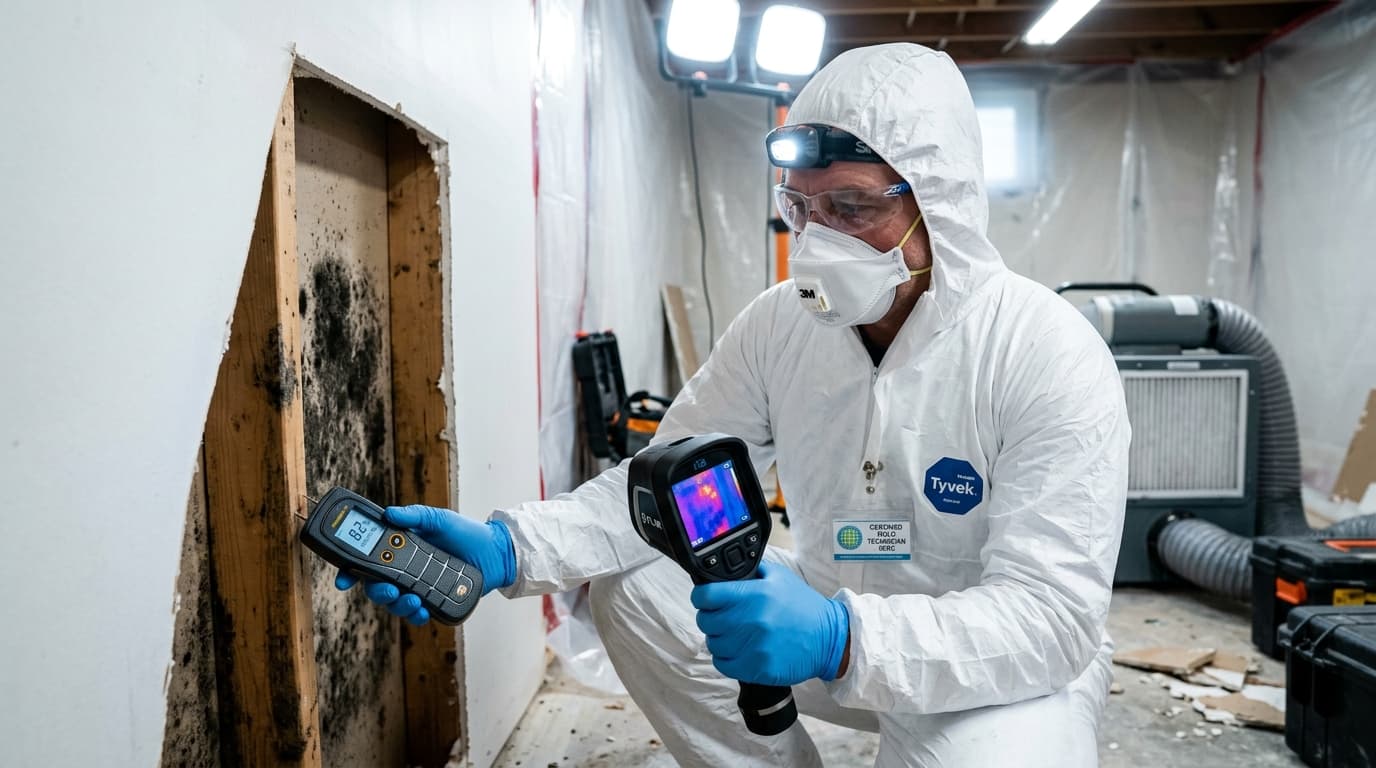
Mold Remediation & Removal
When plumbing leaks, crawl space humidity, or roof intrusion trigger fungal growth in your Treasure Valley property, surface spraying is never enough. Our network connects Boise property owners with certified mold remediation and black mold removal specialists. We provide thermal moisture mapping, negative air containment, HEPA air scrubbing, and attic and crawl space mold remediation to eliminate airborne spores and restore healthy indoor air quality.
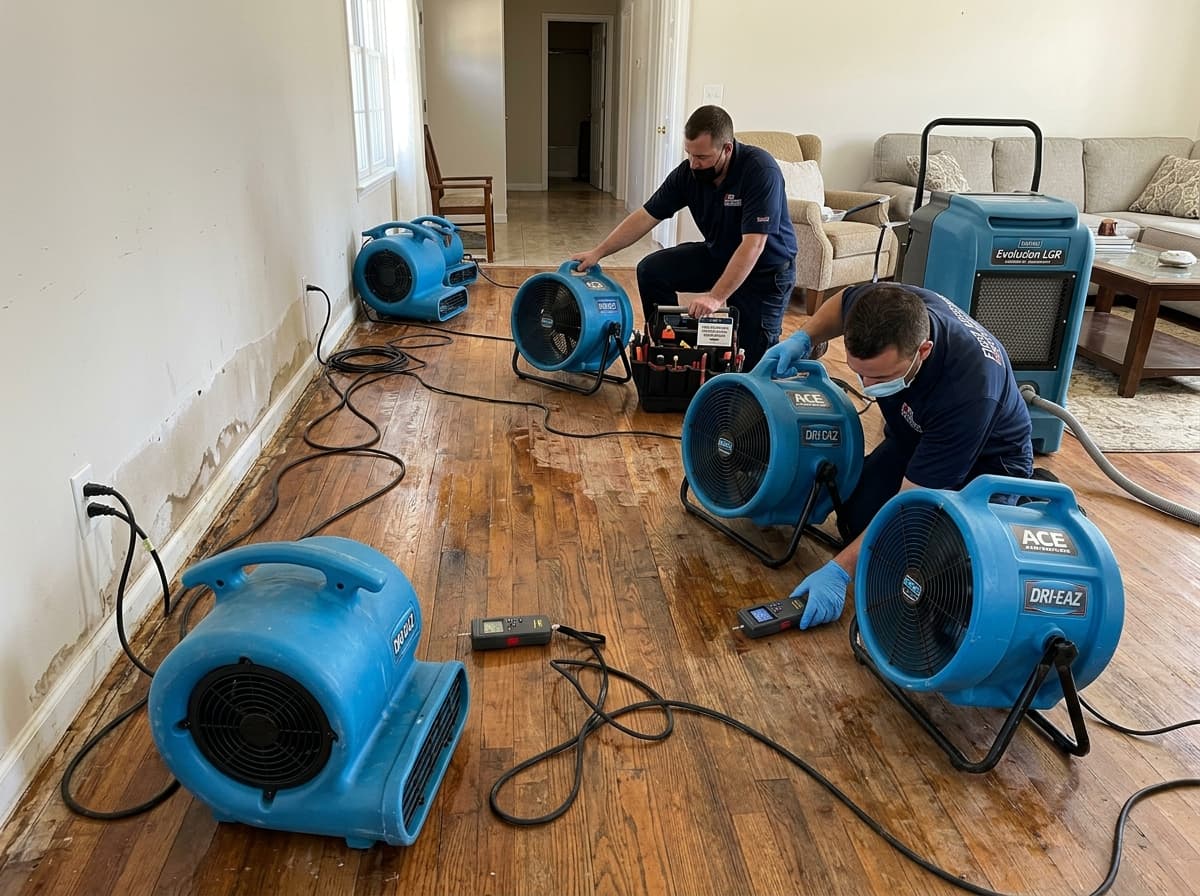
Structural Drying & Dehumidification
Removing standing liquid is only the first step. Microscopic water remains bound inside wooden studs, subfloors, and concrete foundations. Connect with Boise structural drying specialists who deploy industrial LGR dehumidifiers, high-velocity axial air movers, and daily grains-per-pound (GPP) moisture monitoring.
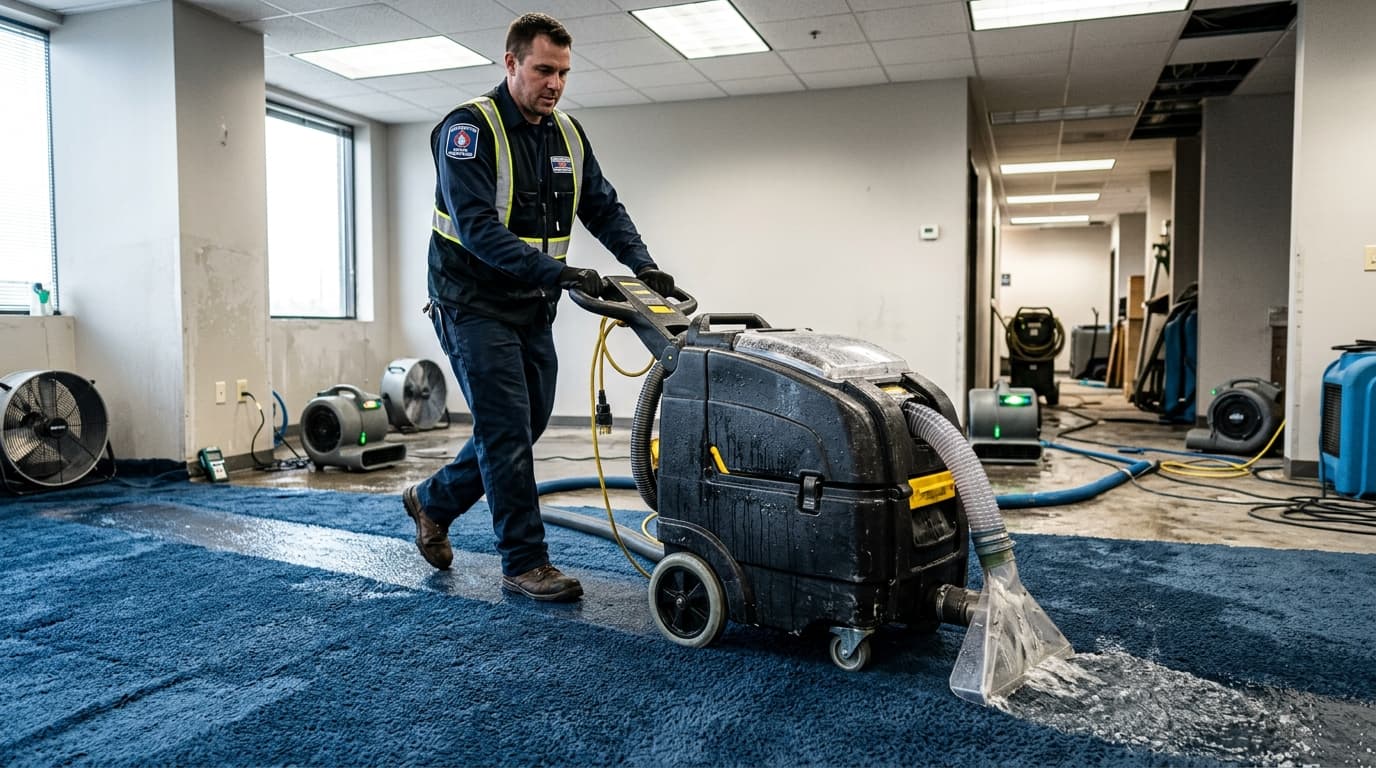
Water Extraction & Removal
Physical extraction is 1,200 times faster than evaporation. When standing water accumulates on hardwood, tile, carpet, or concrete subfloors, commercial truck-mounted extraction wands and submersible pumps pull thousands of gallons out before deeper structural absorption occurs.
Nearby Treasure Valley Service Areas
Written by Boise Restoration Editorial Team
Microbial Environmental SpecialistsCertified microbial remediation supervisors and indoor air quality investigators specializing in IICRC S520 mold containment, spore quantification, and structural decontamination across Ada and Canyon counties.
Sources & References
The factual recommendations, contamination categories, and psychrometric principles in this guide are directly grounded in the following official government disaster protocols and ANSI/IICRC restoration standards:
- 1ANSI/IICRC S520 Standard and Reference Guide for Professional Mold RemediationInstitute of Inspection, Cleaning and Restoration Certification (IICRC) • 2026
Establishes scientific timelines for microbial germination, containment protocols, and air filtration.
- 2A Brief Guide to Mold, Moisture, and Your HomeUnited States Environmental Protection Agency (EPA) • 2025
Authoritative government standard on the critical 24 to 48-hour moisture cleanup window.
- 3Basic Facts about Mold and DampnessCenters for Disease Control and Prevention (CDC) • 2024
Clinical guidelines on indoor fungal exposure, respiratory hazards, and moisture remediation.
- 4WHO Guidelines for Indoor Air Quality: Dampness and MouldWorld Health Organization (WHO) • 2023
Global epidemiological study linking indoor dampness and mycotoxin exposure to chronic health effects.
Frequently Asked Questions
Under optimal conditions (temperatures between 75°F and 85°F with high standing water saturation), microscopic spore germination can begin in as little as 12 to 18 hours. However, visible colonies typically require 24 to 48 hours to become discernible to the naked eye.
Continue Learning About Water Damage
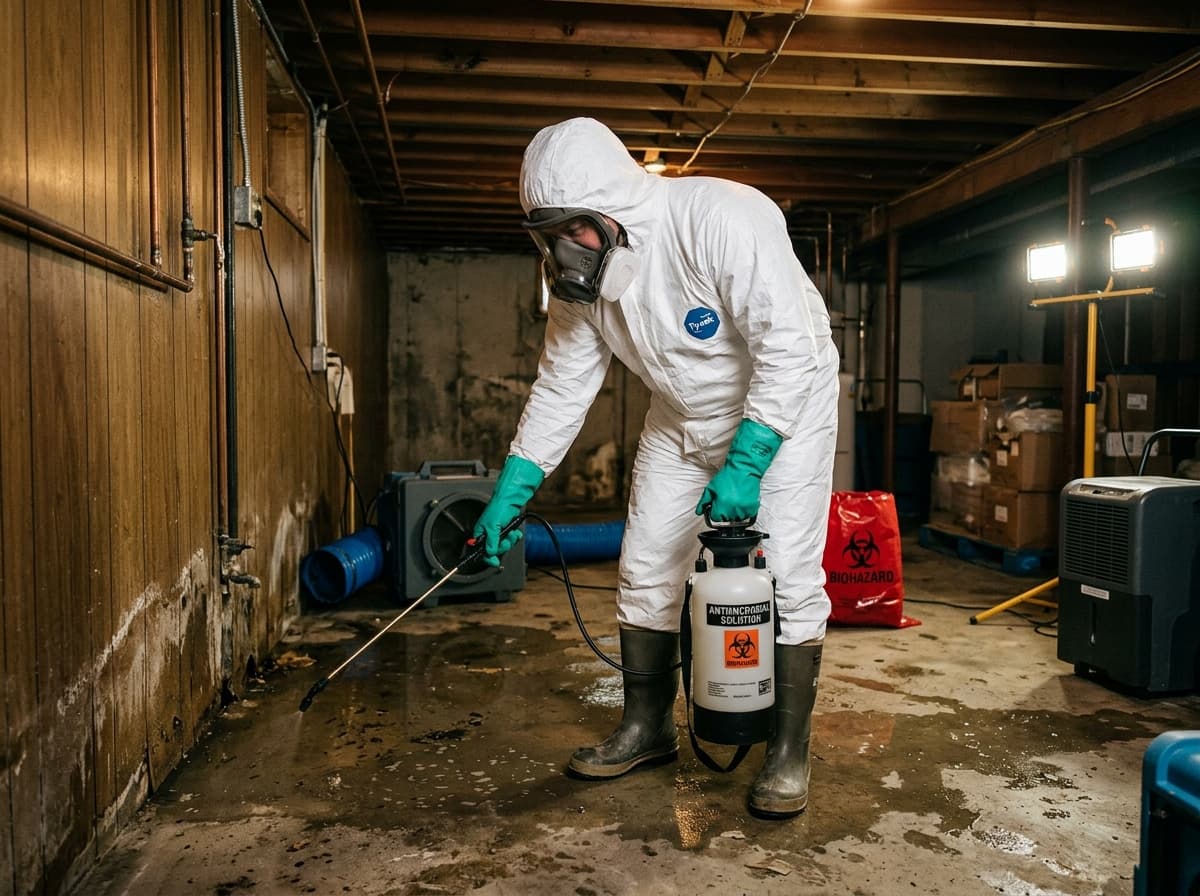
Categories of Water Damage Explained: Clean, Gray, and Black Water Cleanup Protocols
Not all water is created equal. A supply line break requires a completely different recovery protocol than a dishwasher overflow or sewage backup. Here is how IICRC standards classify water damage and why category dictates whether your drywall can be saved.
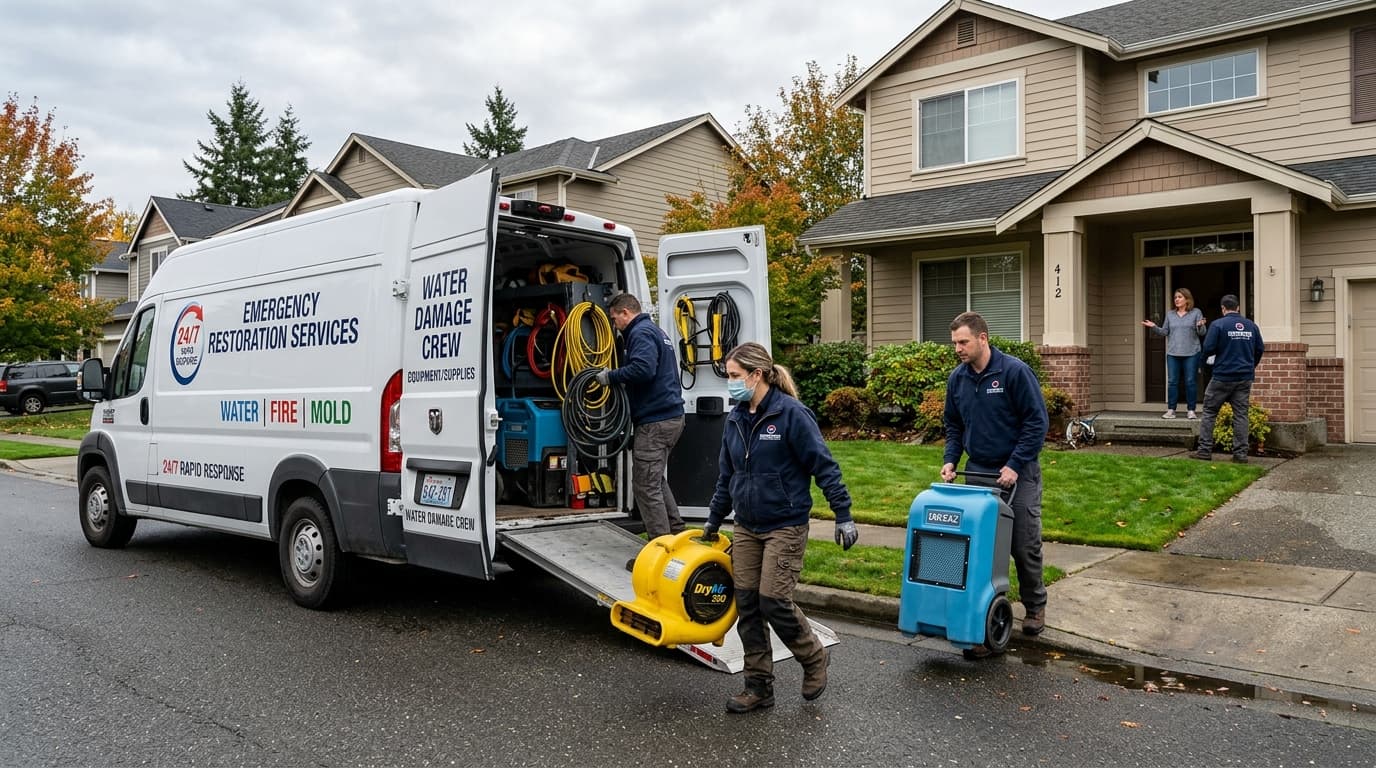
Water Damage Timeline: What Happens in 1 Hour, 24 Hours, 48 Hours, and 1 Week
When a pipe bursts or an appliance overflows, damage does not stay static. Within minutes, water wicks into baseboards; within 24 hours, drywall weakens; and within 48 hours, microbial colonization begins. Here is the verified timeline of structural water destruction.
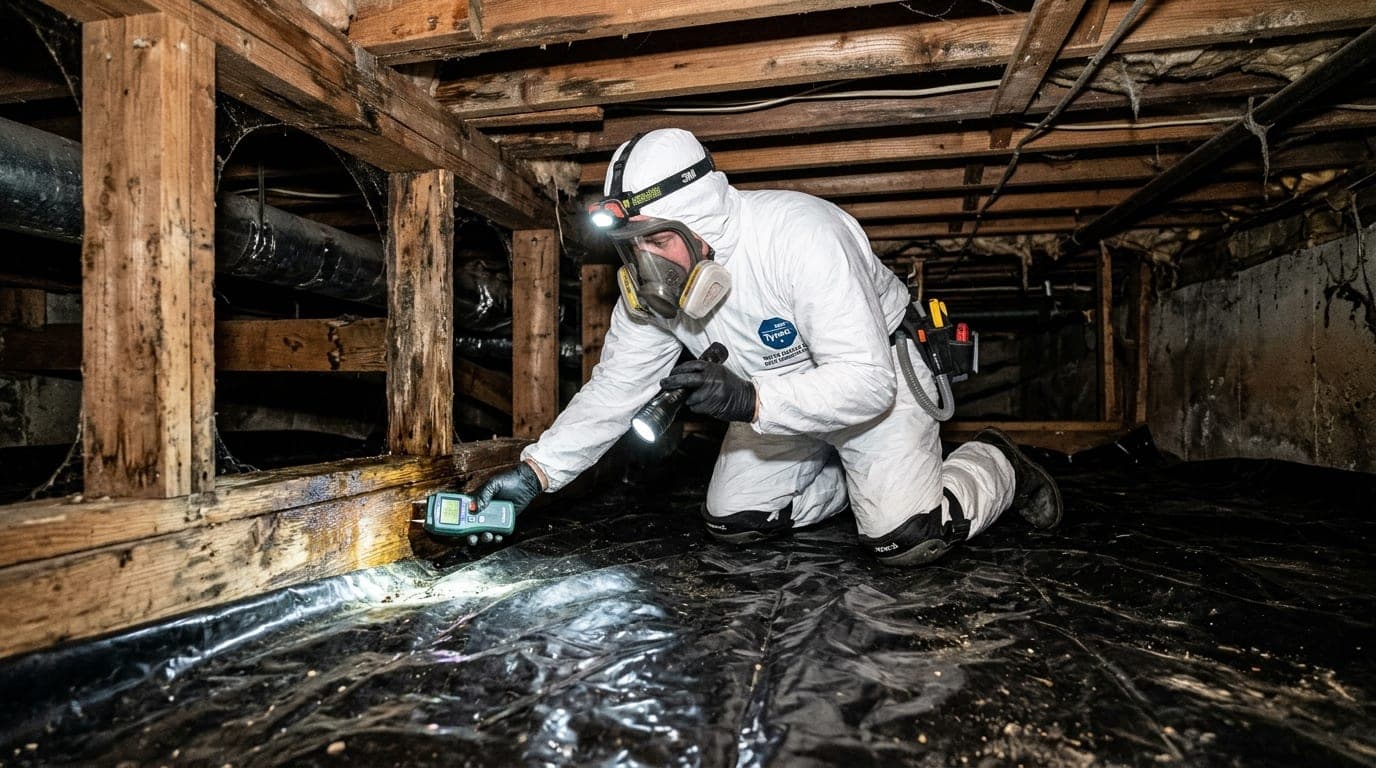
Crawl Space Mold & Moisture: Warning Signs, Health Hazards & Remediation in Boise, ID
Over 50% of the air inside your living room originates in your crawl space. Discover how the 'stack effect' draws toxic mold spores into your home, why Treasure Valley irrigation canals elevate crawl space humidity, and how certified crews eliminate subfloor rot.