
Water damage follows a strict physical progression governed by hygroscopic absorption and microbial biology. Within 1 to 4 hours, liquid wicks up drywall, saturates porous insulation, and delaminates carpet backing. Within 24 to 48 hours, wood studs warp, drywall crumbles, and mold spores begin germinating. By 7 days, structural dry rot, severe microbial contamination, and irreversible material ruin require gutting framing down to the studs. Rapid physical water extraction within the first 24 hours is the single factor that preserves building components.
- 0 to 1 Hour: Water saturates flooring surfaces and begins capillary migration into baseboards and drywall paper.
- 1 to 24 Hours: Drywall absorbs water up to triple its weight, subfloor OSB swells, and furniture finishes bleed.
- 24 to 48 Hours: The critical biological threshold—fungal mold spores germinate and clean Category 1 water degrades into gray water.
- 48 Hours to 1 Week: Severe microbial amplification, structural joist deflection, and toxic biohazard classification.
- Extraction Urgency: Truck-mounted physical water extraction is 1,200 times faster than evaporation and halts secondary destruction.
Dealing with Active Water Intrusion?
Reading guides takes time—standing water causes framing damage within hours. Speak directly with a local Boise specialist.
1. The Mechanics of Water Migration: Capillary Action & Hydrostatic Pressure
Water does not simply sit on the surface where it spills. Building materials like gypsum board drywall, spruce-pine-fir framing studs, OSB subflooring, and carpet padding act like high-capacity sponges.
Through a physical process known as capillary action, water wicks vertically against gravity through the micro-pores of paper drywall facings and cellulose framing. A plumbing failure releasing water on a second-story bathroom floor can saturate first-story ceiling drywall and pool inside basement crawl spaces in less than forty-five minutes.
In Treasure Valley homes—from historic bungalows in the Boise North End to modern subdivisions in Meridian and Eagle—water quickly finds hidden avenues beneath hardwood floor underlayment, behind kitchen baseboards, and into perimeter insulation. Calling for [emergency water damage restoration](/) immediately halts this capillary migration before moisture penetrates closed structural cavities.
The Invisible Water Perimeter
The visible pool of water on your floor represents only 30% to 50% of the total moisture footprint. The remaining moisture has already migrated into wall cavities, subflooring layers, and sill plates where standard fans cannot reach.
2. The Hour-by-Hour Timeline of Water Destruction
Understanding what happens at each stage of water intrusion highlights why waiting until 'regular business hours' drastically escalates repair bills.
Phase 1: 0 to 1 Hour (Initial Saturation)
Within sixty minutes of an active leak or burst pipe, standing water spreads across low points in your flooring. Finished wood begins absorbing surface moisture, while carpet padding acts as an unsealed reservoir.
Water begins wicking upward through drywall baseboards, dissolving water-based wall adhesives, and staining wallpaper. If the source is pressurized city plumbing, up to 600 gallons of liquid can discharge into living areas in this initial hour.
- Carpet fibers and underlayment become 100% waterlogged.
- Baseboards expand and start pulling away from drywall screws.
- Documents, cardboard boxes, and ground-level furnishings absorb moisture.
Phase 2: 1 to 24 Hours (Deep Absorption & Structural Swelling)
Between 1 and 24 hours, structural damage accelerates rapidly. Sheetrock absorbs water, loses its structural rigidity, and sags under its own saturated weight. Ceiling drywall beneath a water leak reaches imminent collapse danger.
Oriented Strand Board (OSB) and plywood subflooring undergo edge-swelling and delamination. Hardwood floors begin to show initial 'cupping' as moisture differentials develop between the polyurethane top coat and the saturated bottom surface. Immediate high-powered water extraction during this window is vital to salvage original hardwood and subfloors.
- Drywall paper separates from the crushed gypsum core.
- Door casings and solid wood trim swell, causing interior doors to bind.
- Metal fasteners, drywall screws, and steel framing clips begin surface oxidation (rusting).
- Musty, damp odors emerge as high relative humidity fills enclosed rooms.
Phase 3: 24 to 48 Hours (The Biological Mold Threshold)
The 24 to 48-hour mark represents the most critical turning point in any water damage loss. According to the EPA and IICRC S500 standards, microscopic mold spores—which are naturally present in ambient indoor air—germinate when relative humidity exceeds 60% and moisture is present on cellulose surfaces.
Clean supply water (Category 1) rapidly degrades into Category 2 gray water as bacteria multiply in the warm, stagnant indoor environment. Saturated carpet padding and porous insulation can no longer be legally sanitized and must be stripped and discarded.
Microbial Germination Begins at 24-48 Hours
Once mold spores establish hyphae networks inside wet drywall or behind baseboards, simple drying is no longer sufficient. Full containment barriers and certified mold remediation services become mandatory to protect indoor air quality.
Phase 4: 48 Hours to 1 Week (Severe Contamination & Structural Rot)
Beyond 48 hours without industrial dehumidification, structural wood framing begins suffering from fungal decay. Wood studs warp, twist, and pull away from drywall fasteners, compromising the structural integrity of walls and headers.
Mold colonies become visibly apparent, showing black, green, or white powdery patches across baseboards, wall cavities, and subflooring. The cost of recovery triples because technicians must erect plastic containment barriers, install negative-air HEPA scrubbers, and perform extensive demolition down to bare studs.
- Severe mold proliferation across hidden wall cavities and subfloors.
- Hardwood flooring permanently buckles, splits, and separates from joists.
- Biohazard pathogens multiply, classifying the loss as Category 3 black water.
- Occupants risk respiratory distress, allergic reactions, and health hazards.
3. Progression Matrix: Material Impact Across Time
This comparison table illustrates how common residential materials degrade across each timeframe if left untreated without industrial extraction and psychrometric drying:
Residential Material Degradation Timeline
| Building Material | 1 to 24 Hours | 48 Hours to 1 Week |
|---|---|---|
Drywall & Plaster Requires flood cut demolition after 48 hrs. | Surface staining, softens core, wicks water 12-24 inches vertically. | Gypsum crumbles, severe mold colonization, total structural collapse. |
Subflooring (OSB / Plywood) Salvageable only with rapid LGR drying in first 24h. | Edge swelling, minor adhesive softening, surface dampness. | Permanent delamination, structural deflection, rot requiring floor replacement. |
Hardwood Flooring Requires specialized negative-pressure mat systems. | Plank edges swell, initial cupping across plank seams. | Extreme crowning, buckling, cracked planks, mold underneath. |
Fiberglass / Cellulose Insulation Porous materials cannot be safely dried in place. | Compresses, loses R-value, holds moisture against studs. | Fosters rapid mold growth, permanently ruined, must be removed. |
Air Quality & Biology Triggers need for negative air containment. | Elevated relative humidity (70%+), light musty odor. | Active fungal colonies, mycotoxin release, biohazard classification. |
4. Why Standard Household Fans Make the Timeline Worse
One of the most common mistakes Treasure Valley property owners make is aiming household box fans at wet carpets or running residential dehumidifiers.
Residential box fans merely circulate ambient moist air across surface materials. Without extracting the bound moisture trapped inside subfloors and structural sill plates, high air velocity actually aerosolizes active mold spores and spreads microbial contamination into unaffected rooms.
Furthermore, residential dehumidifiers remove only 20 to 30 pints of water per day, whereas an average water loss releases hundreds of gallons into the air. Professional mitigation requires commercial structural drying utilizing Low-Grain Refrigerant (LGR) dehumidifiers that pull 130+ pints daily while dropping relative humidity below 30% to force bound water out of deep structural framing.
The Psychrometric Difference
Professional drying is a science. Technicians calculate the specific humidity ratio (Grains Per Pound or GPP) and vapor pressure differential between ambient air and wet building materials to evaporate moisture without causing secondary wood cracking or mold blooms.
5. What to Do Right Now to Stop the Clock
If you are experiencing active or recent water intrusion in Boise, Nampa, or anywhere in the Treasure Valley, execute these immediate steps:
Immediate Water Damage Triage Checklist
0 of 5 completedHalt active pressurized flow immediately by shutting off the main supply valve in your garage, basement, or curb stop box.
Switch off breakers supplying affected rooms from a completely dry location before touching wet flooring.
Place aluminum foil or plastic blocks under wooden furniture legs to prevent wood stain from permanently dyeing wet carpets.
Capture high-resolution images of waterlines on drywall, wet flooring, and serial numbers of affected appliances for insurance claims.
Contact our 24/7 direct dispatch line at (208) 702-0052 to connect with an on-call restoration crew with industrial extraction pumps and drying equipment.
Related Water Restoration Services in Boise
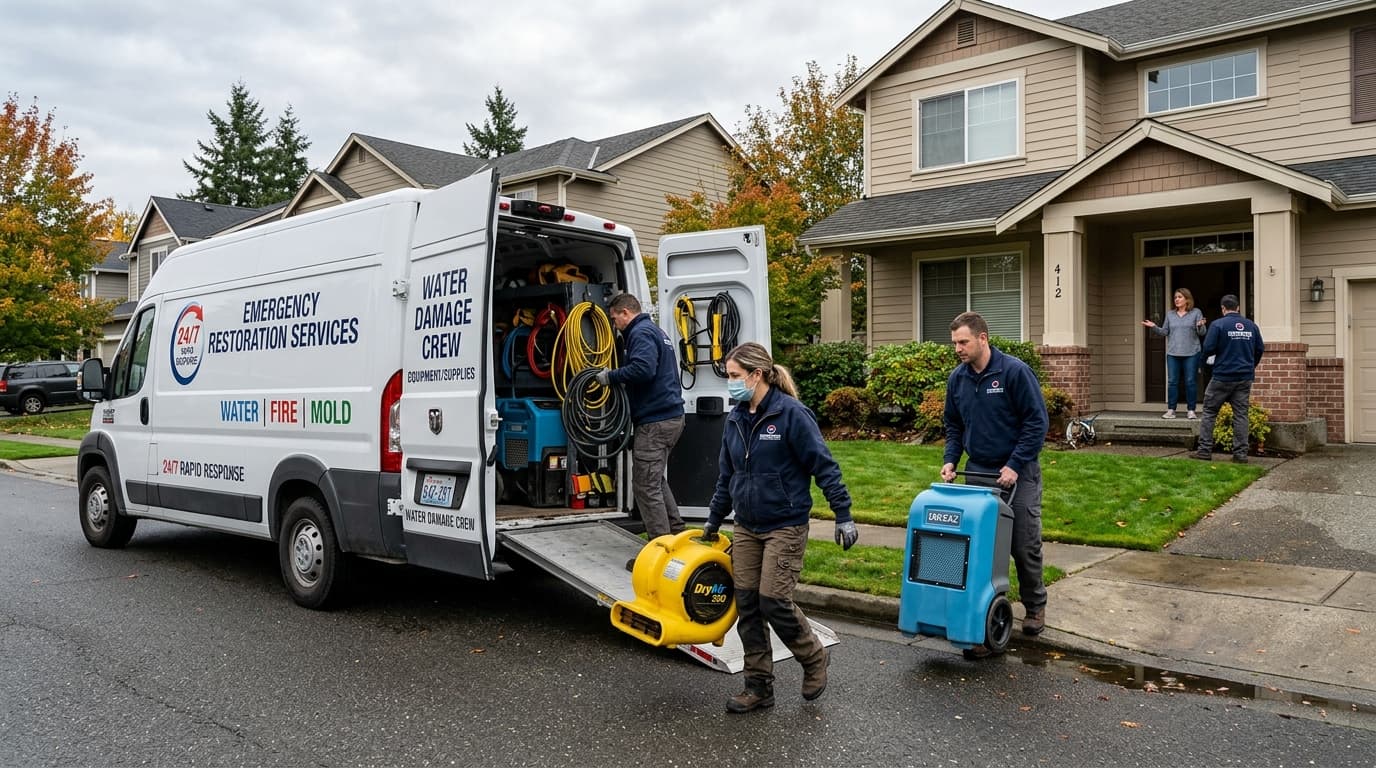
Emergency Water Damage Restoration
When pressurized plumbing ruptures or violent storms send torrents into your property, every minute counts. Connect with local Boise emergency water restoration crews on-call 24 hours a day, 7 days a week, 365 days a year.
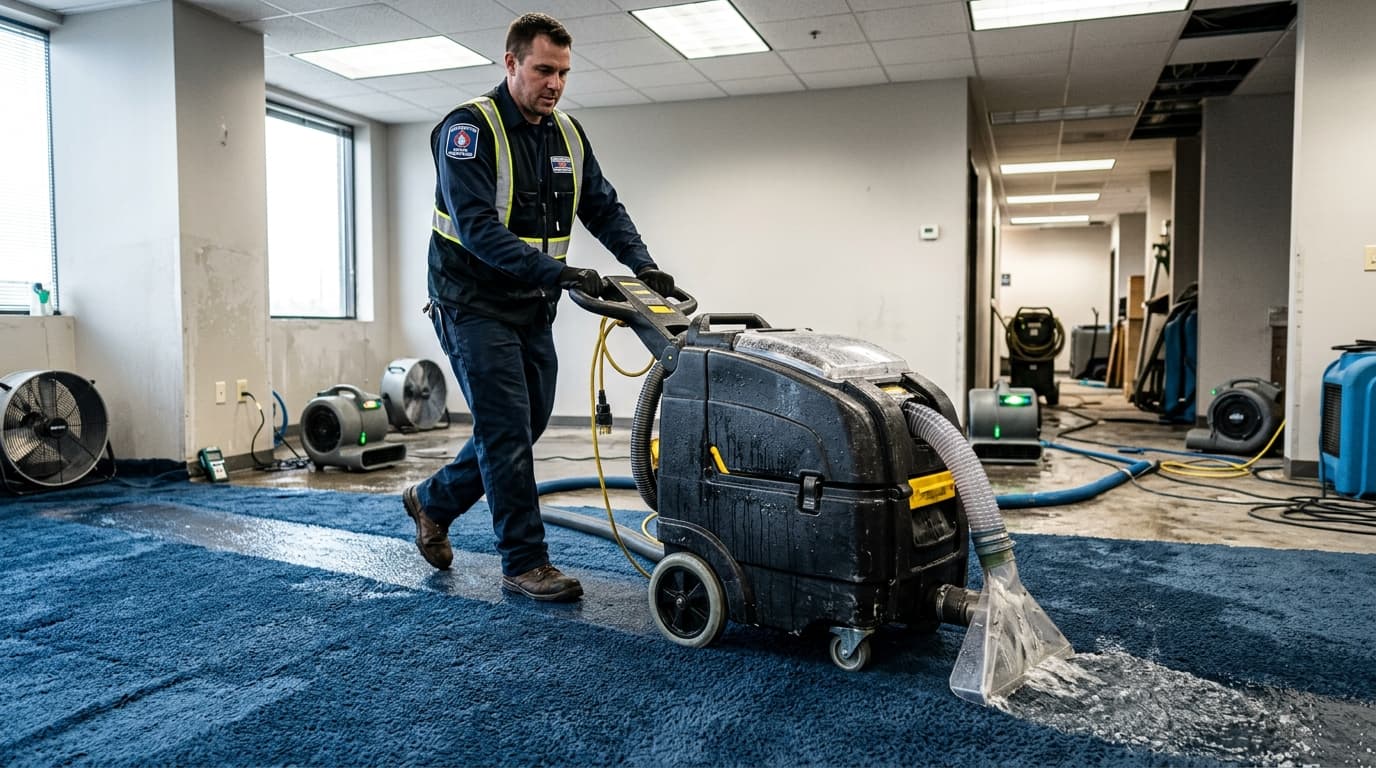
Water Extraction & Removal
Physical extraction is 1,200 times faster than evaporation. When standing water accumulates on hardwood, tile, carpet, or concrete subfloors, commercial truck-mounted extraction wands and submersible pumps pull thousands of gallons out before deeper structural absorption occurs.
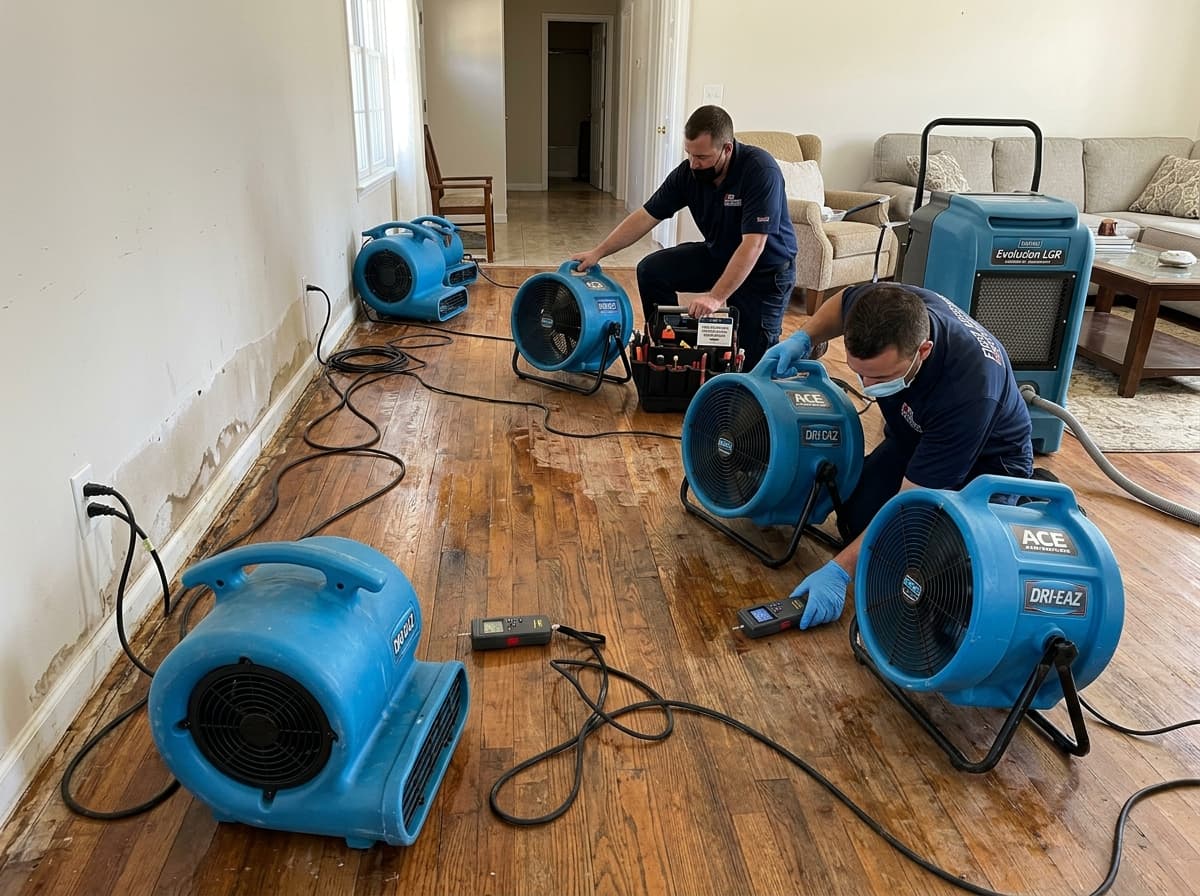
Structural Drying & Dehumidification
Removing standing liquid is only the first step. Microscopic water remains bound inside wooden studs, subfloors, and concrete foundations. Connect with Boise structural drying specialists who deploy industrial LGR dehumidifiers, high-velocity axial air movers, and daily grains-per-pound (GPP) moisture monitoring.
Nearby Treasure Valley Service Areas
Written by Boise Restoration Editorial Team
Editorial TeamLocal educational and technical resource team covering disaster mitigation, psychrometric drying, and structural recovery in Ada and Canyon counties.
Sources & References
The factual recommendations, contamination categories, and psychrometric principles in this guide are directly grounded in the following official government disaster protocols and ANSI/IICRC restoration standards:
- 1ANSI/IICRC S500 Standard and Reference Guide for Professional Water Damage RestorationInstitute of Inspection, Cleaning and Restoration Certification (IICRC) • 2026
- 2Mold Remediation in Schools and Commercial Buildings: Moisture and Mold MechanicsU.S. Environmental Protection Agency (EPA) • 2026
- 3Psychrometric Theory and Structural Drying PrinciplesRestoration & Remediation Magazine • 2026
Frequently Asked Questions
If the water came from a clean source (Category 1) and the drywall has retained its structural integrity without sagging or mold growth, it can sometimes be dried in place using high-velocity air movers and dehumidifiers. However, if it has been wet for over 48 hours or exposed to gray/black water, IICRC standards require cutting away the bottom 24 inches (a flood cut) to dry wall studs safely.
Continue Learning About Water Damage
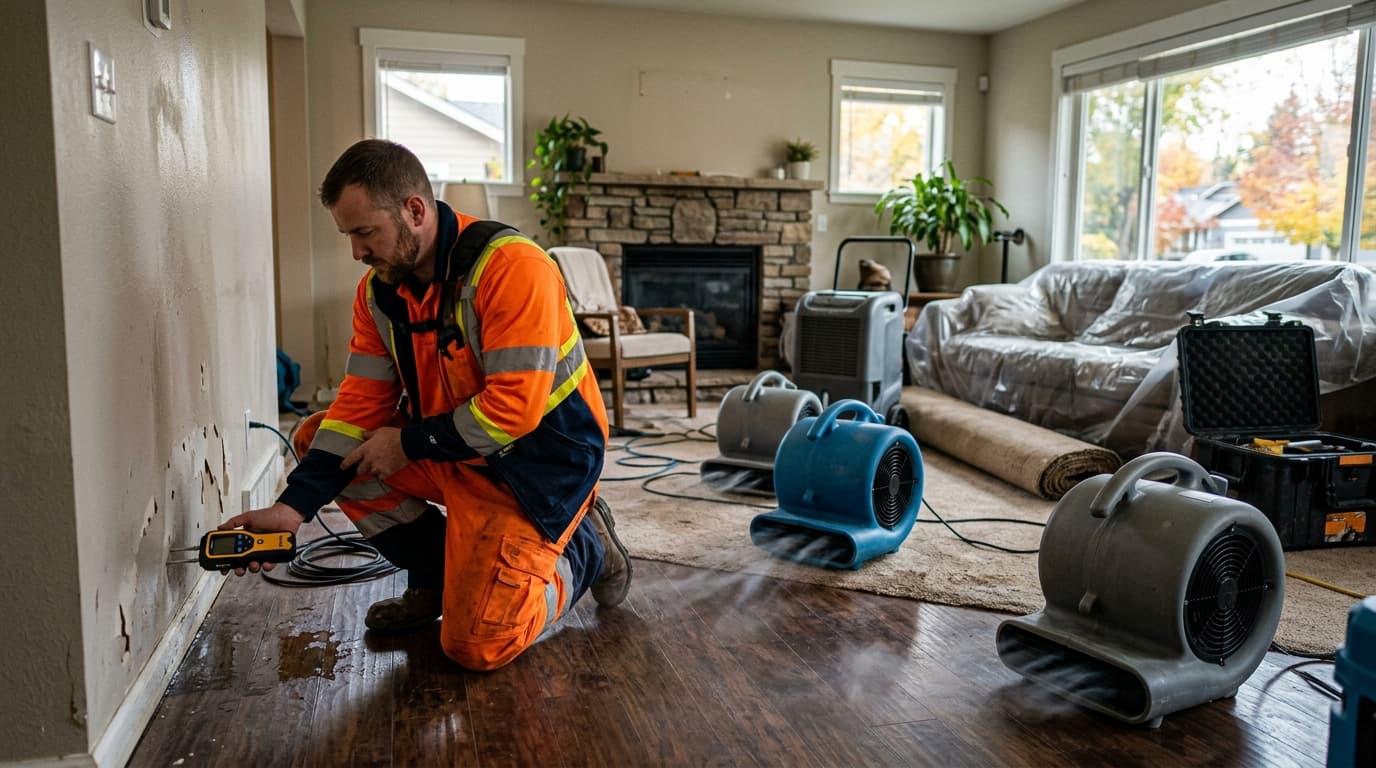
What to Do After Water Damage: A Step-by-Step Emergency Guide
When water intrudes into your living space, the first 24 to 48 hours determine whether your floors, framing, and drywall can be preserved or if destructive mold and rot take hold. Here is the verified emergency recovery sequence from certified restoration specialists.
How Long Does Water Damage Take to Dry? Timelines, Science & Factors
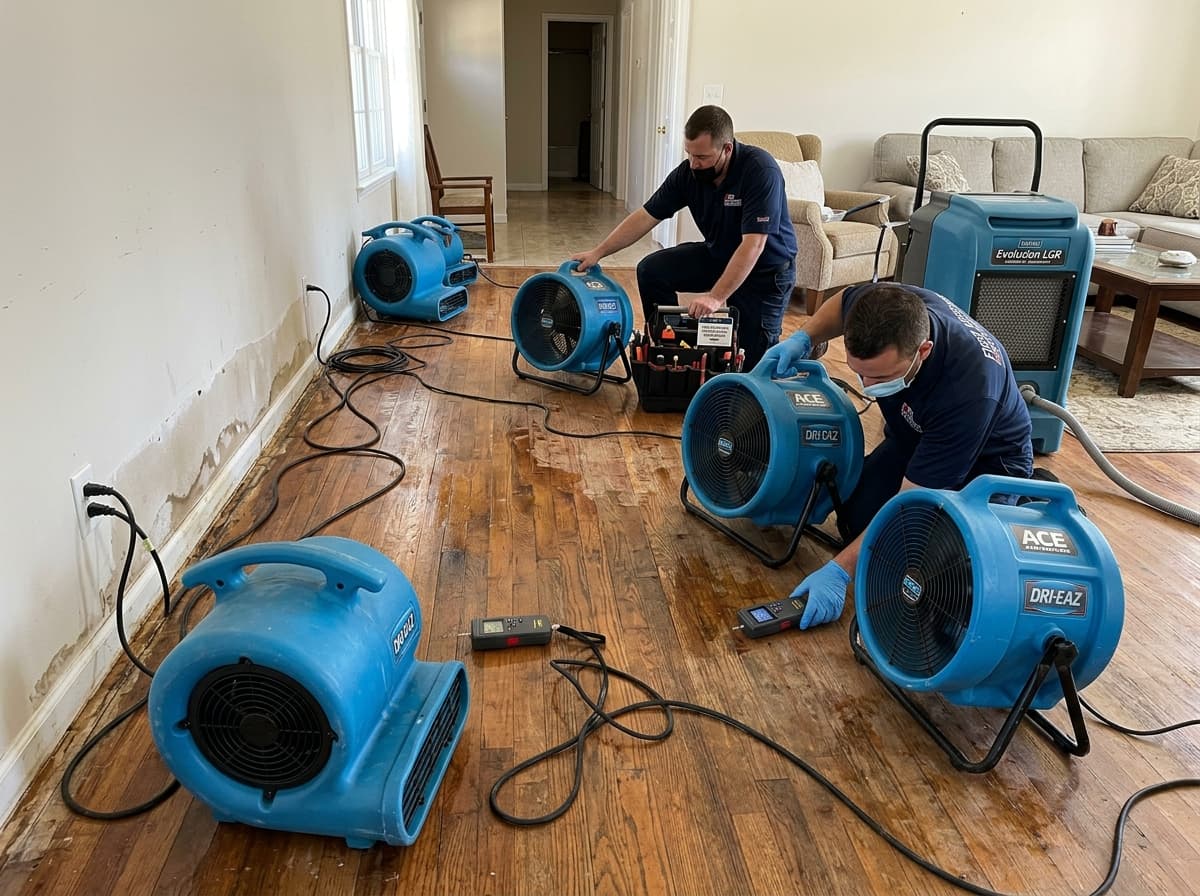
While surface water may vanish in 24 hours, deep structural framing, subflooring, and wall cavities require 3 to 5 days under controlled industrial dehumidification. Here is the engineering science behind drying timelines.
Signs of Water Damage in Walls: How to Detect Hidden Moisture
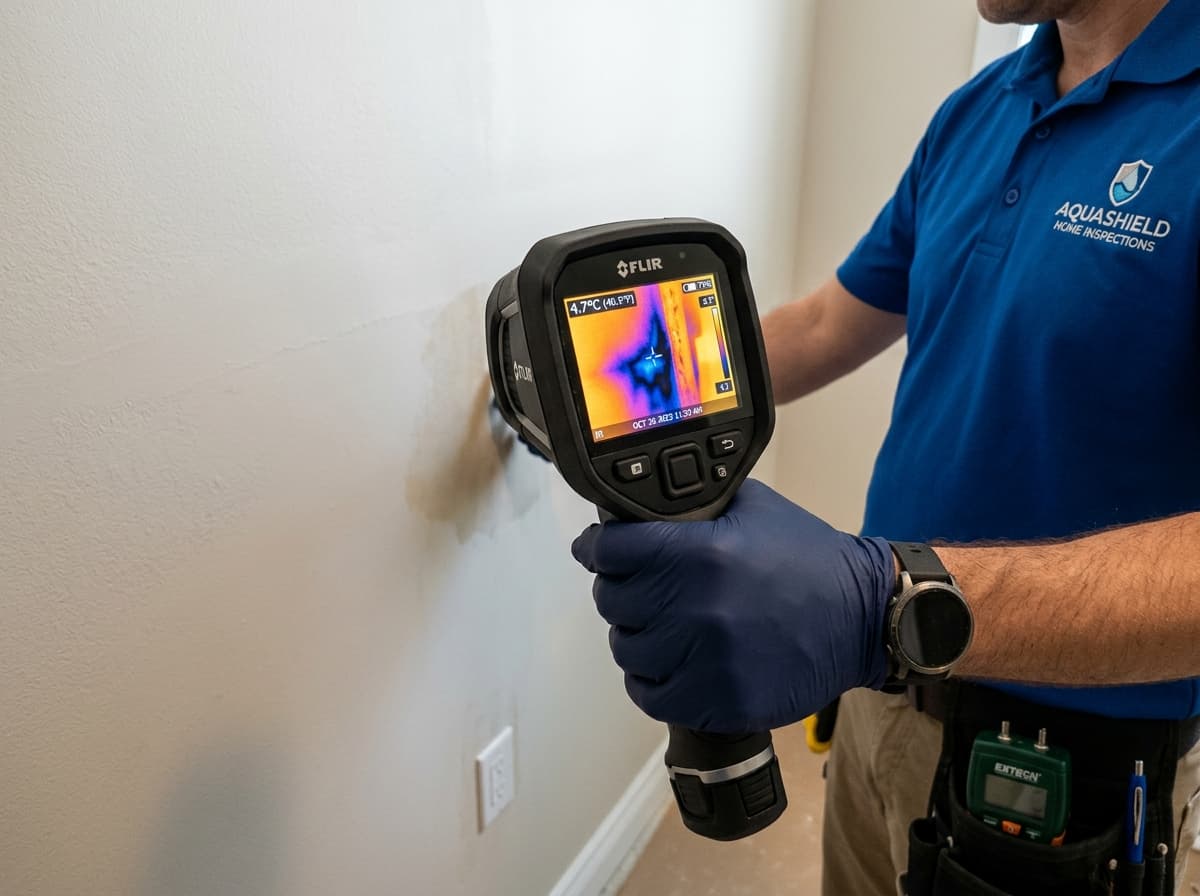
Water leaks inside wall cavities often remain concealed until peeling paint, warped baseboards, or persistent musty odors reveal hidden moisture. Here is how to diagnose wall leaks before mold and structural rot take hold.