
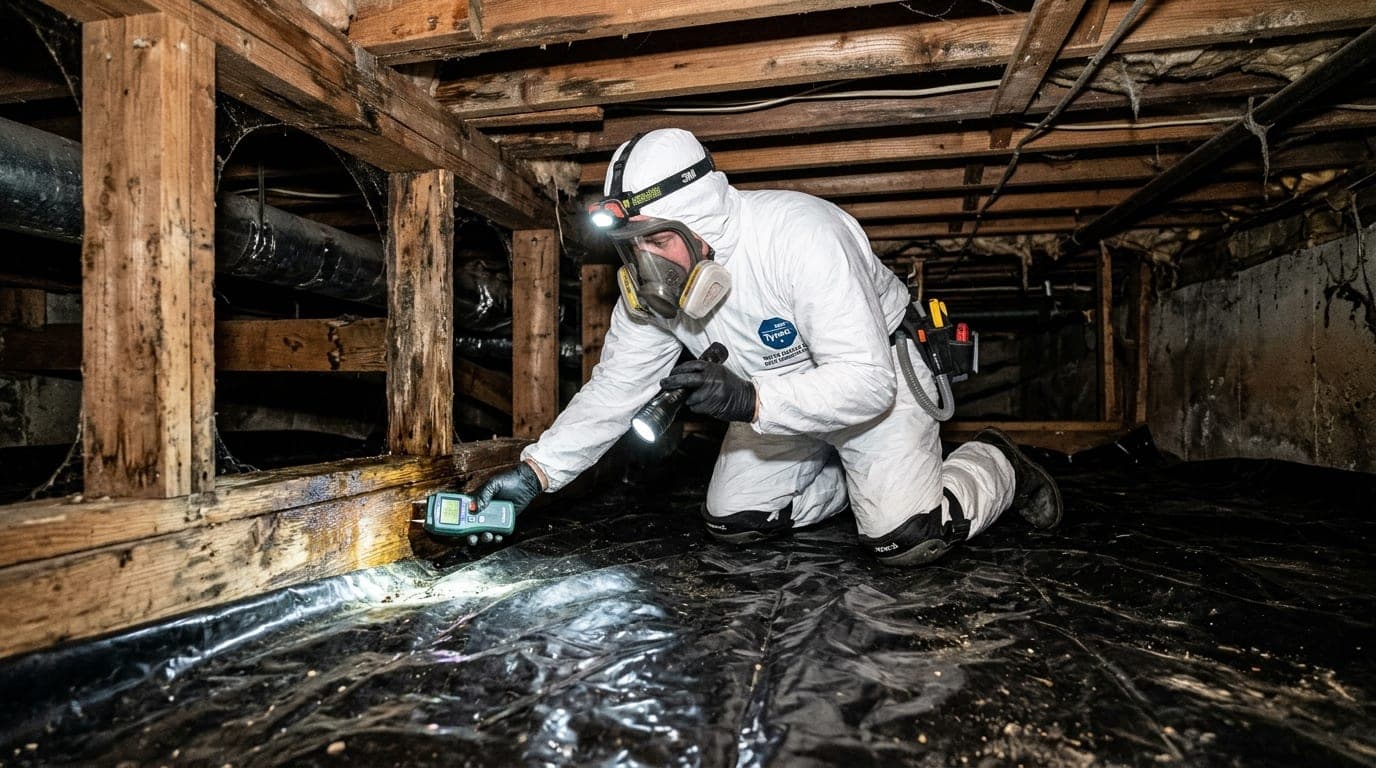
Crawl space mold and excessive moisture occur when unvented humidity, plumbing leaks, or rising groundwater saturate the dirt floor and subfloor joists above 19% wood moisture content (WMC). Due to the 'stack effect', warm air rising through your home draws up to 50% of its air volume directly from the crawl space, carrying mold spores, dust mite allergens, and musty odors into living areas. Professional remediation requires extracting standing liquid, stripping sodden fiberglass insulation, treating wooden joists with EPA-registered botanical biocides (often via dry ice or soda blasting), installing a sealed 12-mil to 20-mil reinforced vapor barrier, and deploying dedicated commercial crawl space dehumidifiers to maintain relative humidity below 55%.
- The 'Stack Effect' Impact: As warm air escapes through attic vents, it acts like a chimney, pulling 40% to 50% of your indoor breathing air up from the damp crawl space.
- The 19% Moisture Danger Zone: Wood-destroying fungi and surface mold colonize framing lumber once wood moisture content exceeds 19%, leading to dry rot and structural floor sag.
- Treasure Valley Canal Seepage: Seasonal irrigation canal flow from April to October significantly elevates the regional water table in low-elevation areas like Garden City, Eagle, and Caldwell.
- Fallen Insulation Is a Biohazard: Saturated fiberglass batt insulation traps moisture against wooden subfloors and acts as an absorbent sponge that fosters dense fungal colonies.
- Encapsulation Outperforms Vents: Modern building science confirms that venting crawl spaces during humid summer months introduces excess moisture; sealed encapsulation prevents mold permanently.
Dealing with Active Water Intrusion?
Reading guides takes time—standing water causes framing damage within hours. Speak directly with a local Boise specialist.
1. The 'Stack Effect': Why Your Crawl Space Dictates Indoor Air Quality
Many homeowners assume that what happens in the dark crawl space underneath their home stays there. Building science proves otherwise.
In residential structures across [Boise](/) and Meridian, air does not remain static. Natural convection currents dictate that warm air inside your home expands and rises toward upper levels, eventually escaping through attic vents, recessed ceiling lights, and bathroom exhaust fans.
As this warm air escapes upward, it creates negative air pressure on the lower levels of the home. To balance this vacuum, air is forcefully drawn in from the lowest point of the structure: the crawl space. This physical phenomenon is known as the **Stack Effect** (or Chimney Effect).
Environmental health studies have demonstrated that between **40% and 50% of the air you breathe on the ground floor** of a home with a raised foundation originates in the crawl space. If your crawl space harbors standing water, rodent droppings, decomposing insulation, or toxic mold spores (*Stachybotrys*, *Aspergillus*, *Penicillium*), those contaminants are continuously pulled directly into your bedrooms, kitchen, and nursery.
The Breathing Air Link
If anyone in your household experiences unexplained chronic morning coughing, eye irritation, sinus congestion, or worsening asthma that improves when away from home, an unnoticed mold colony in your crawl space is frequently the hidden root cause.
2. Why Treasure Valley Crawl Spaces Suffer from Chronic Moisture
The unique geography and irrigation infrastructure of Southwest Idaho expose crawl spaces to specific environmental stresses not found in typical dry regions.
Seasonal Agricultural Canals & Water Table Spikes
The Treasure Valley is crisscrossed by hundreds of miles of agricultural irrigation canals and lateral ditches (including the New York Canal and Boise Valley Canal network). Every year in mid-April, irrigation gates open, saturating the regional soil.
In low-lying communities such as Garden City, Eagle, and Caldwell, the local water table can rise several feet within weeks. Hydrostatic pressure forces groundwater upward through the earth floor of crawl spaces, pooling in low pockets beneath homes.
Sub-Zero Winter Freezes & Uninsulated Pipe Bursts
Treasure Valley winters frequently bring sub-zero Arctic blasts. When subfloor crawl space vents are left open, freezing outdoor air rushes across uninsulated PEX or copper supply lines. When a pipe ruptures, thousands of gallons of pressurized water can flood the dirt floor before the homeowner detects a drop in water pressure.
Water pooling under homes requires specialized crawl space water damage services and immediate high-volume pumping to stop moisture from traveling into the living space.
The Failure of Traditional Foundation Vents
Older building codes required passive screened foundation vents around the home perimeter. In theory, outdoor air was supposed to circulate and dry out the crawl space. In practice, hot, humid summer air enters the cool subterranean space, where temperatures are 20 degrees lower.
As the warm air cools down, its relative humidity spikes to 100%, causing water vapor to condense across cold wooden joists and air conditioning ductwork like sweat on a cold soda can.
3. Identifying Crawl Space Mold vs. Efflorescence
Homeowners frequently misidentify mineral deposits on concrete foundation stem walls as mold, or overlook dangerous wood-decaying fungi entirely.
Subfloor Contamination Comparison: Fungi vs. Mineral Salts
| Contaminant Type | Visual Appearance | Structural Risk & Action Plan |
|---|---|---|
White Mold (Aspergillus / Penicillium) Does not dissolve in water; smears when touched with a gloved finger. | Fluffy, powdery white or pale yellow growth on wooden joists, OSB sheathing, and paper facings. | Moderate structural risk; high health hazard. Emits toxic mycotoxins and airborne allergens. Requires biocide remediation. |
Efflorescence (Inorganic Mineral Salt) Instantly dissolves and vanishes when sprayed with a light mist of water. | Chalky, crystalline white crust appearing exclusively on concrete stem walls or masonry footings. | Zero health risk; zero mold hazard. Caused by groundwater evaporating through concrete, leaving salt crystals behind. |
Brown Rot / Cubical Fungi (Coniophora) Requires sistering new joists or structural beam replacement. | Dark brown to reddish discoloration causing wood to crack into small, brittle cubes and crumble into dust. | Severe structural failure. Consumes the cellulose skeleton of floor joists, causing floors to sag and bounce dangerously. |
Black Toxic Mold (Stachybotrys chartarum) Requires full negative-pressure containment and HEPA extraction. | Slimy, dark black, soot-like growth growing on damp drywall paper, subfloors, or cardboard debris. | Critical biological hazard. Thrives in water-saturated environments; releases hazardous trichothecene mycotoxins. |
4. Warning Signs You Have a Crawl Space Problem
Because most homeowners enter their crawl space only once or twice a year, severe moisture problems often fester undetected for months.
Telltale Indicators of Crawl Space Moisture & Fungal Growth
0 of 5 completedWhen ductwork located in the crawl space has minor joint seams, negative pressure pulls foul, moldy air directly into your central heating and cooling airflow.
Moisture content above 20% softens wood framing members, causing joists to deflect and subfloor fasteners to pull loose under foot traffic.
When subfloor humidity climbs, fiberglass batts absorb heavy moisture like a wet towel, pulling away from joists and hanging in sodden 'pillows' on the dirt floor.
Insects and mice require continuous moisture sources to survive. A humid, moldy crawl space provides the ultimate breeding sanctuary.
Even when your air conditioner runs continuously, living room air feels clammy and heavy because the crawl space is venting gallons of moisture vapor upward.
5. Professional IICRC S520 Crawl Space Remediation Protocol
True crawl space mold remediation is a technical, engineering-grade operation that requires containment, air filtration, and controlled fungal extraction.
Spraying bleach on wooden floor joists is one of the most counterproductive things a homeowner can do. Bleach contains 90% water; while chlorine briefly alters the surface color of the mold, the water soaks into the wood pores, feeding the deeper fungal root system (hyphae) and causing it to return with greater intensity.
Certified technicians adhere to ANSI/IICRC S520 Standard for Professional Mold Remediation:
Energy Efficiency Bonus
Sealing and encapsulating a damp crawl space not only eradicates mold; building science studies from Advanced Energy prove it lowers household winter heating and summer cooling utility bills by up to 15% to 18%.
Phase 1: Negative-Air Containment Isolation
Before disturbing a single mold spore, technicians seal all crawl space access hatches, plumbing penetrations, and HVAC duct joints. Industrial HEPA air scrubbers are ducted to the outdoors to maintain negative pressure, guaranteeing that contaminated air cannot migrate into living rooms during demolition.
Phase 2: Removal of Contaminated Materials
All fallen, mold-colonized fiberglass insulation, ruined 6-mil plastic sheeting, and organic wood debris are double-bagged in 6-mil hazmat disposal bags and carried out. Standing water is mechanically removed using commercial truck-mounted water extraction equipment.
Phase 3: Fungal Remediation & Media Blasting
Technicians physically scrub all exposed subfloor surfaces, joists, and foundation sill plates. In cases of severe colonization, baking soda blasting (sodium bicarbonate) or dry ice blasting is utilized to scour fungal hyphae out of the wood grain without damaging structural framing.
All framing is HEPA vacuumed and treated with an EPA-registered hospital-grade botanical disinfectant (such as Benefect Decon 30) followed by a breathable antimicrobial sealant.
Phase 4: Sealed Crawl Space Encapsulation
To permanently stop earth moisture from evaporating into the subfloor, a heavy-duty, multi-ply 12-mil to 20-mil reinforced antimicrobial poly vapor barrier is installed across 100% of the ground. The seams are overlapping by 12 inches and hermetically sealed with waterproof acoustic mastic tape. The barrier is mechanically fastened 12 inches up the concrete stem walls.
Phase 5: Commercial Crawl Space Dehumidification
An energy-efficient, commercial low-temperature crawl space dehumidifier (such as a Santa Fe or Aprilaire commercial unit) is suspended from the floor joists with vibration isolators. It operates automatically, pumping condensed water to the exterior and maintaining subfloor relative humidity permanently below 50% to guarantee mold can never grow again.
Smelling Musty Odors or Found Water Under Your Home?
Our certified Boise crawl space technicians provide comprehensive subfloor moisture evaluations, thermal camera scans, and permanent encapsulation solutions across the Treasure Valley.
Related Water Restoration Services in Boise
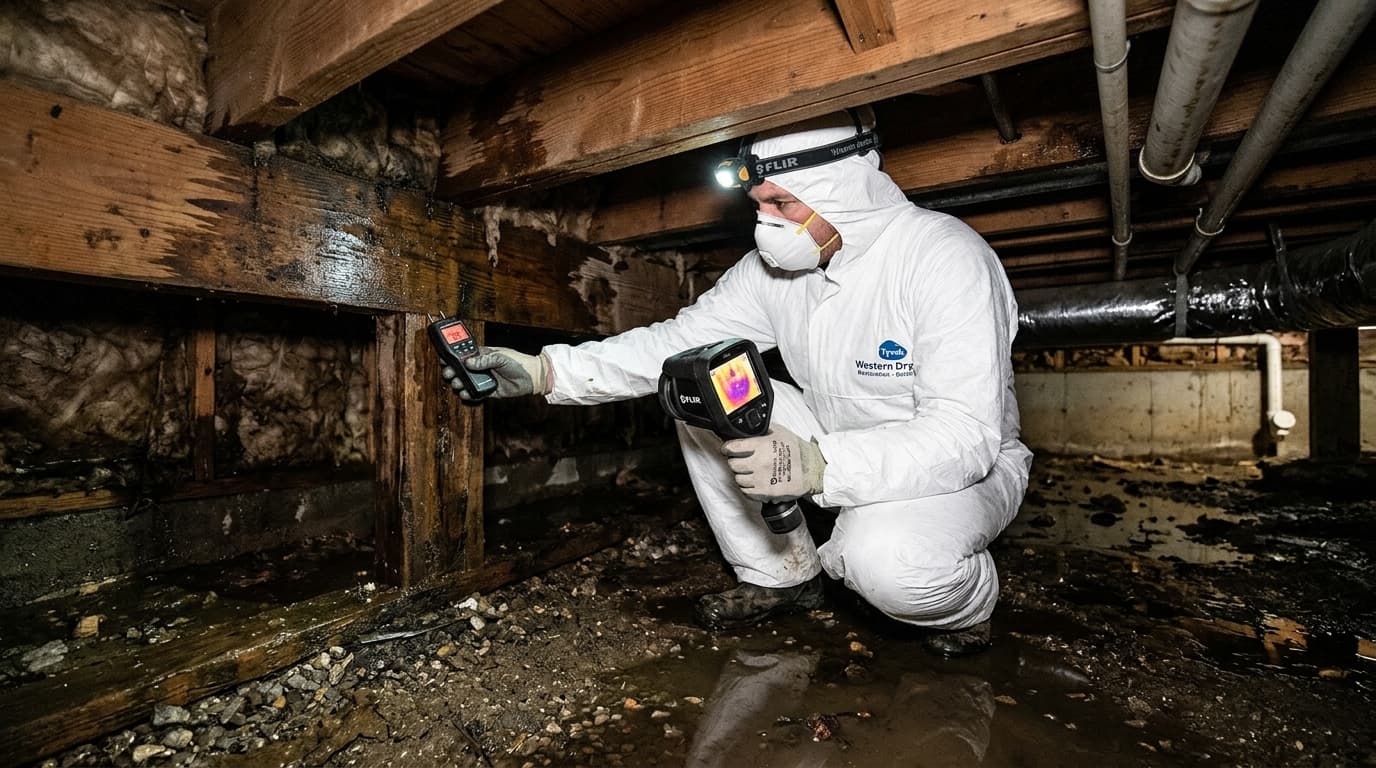
Crawl Space Water Damage Cleanup
Over 65% of Treasure Valley homes feature raised crawl spaces where essential plumbing runs. When pipes freeze, canals seep, or ground moisture rises, water beneath your home rots floor joists and circulates contaminants into your living rooms through the stack effect. Connect with certified crawl space mitigation specialists across Boise, Meridian, Eagle, and Kuna.
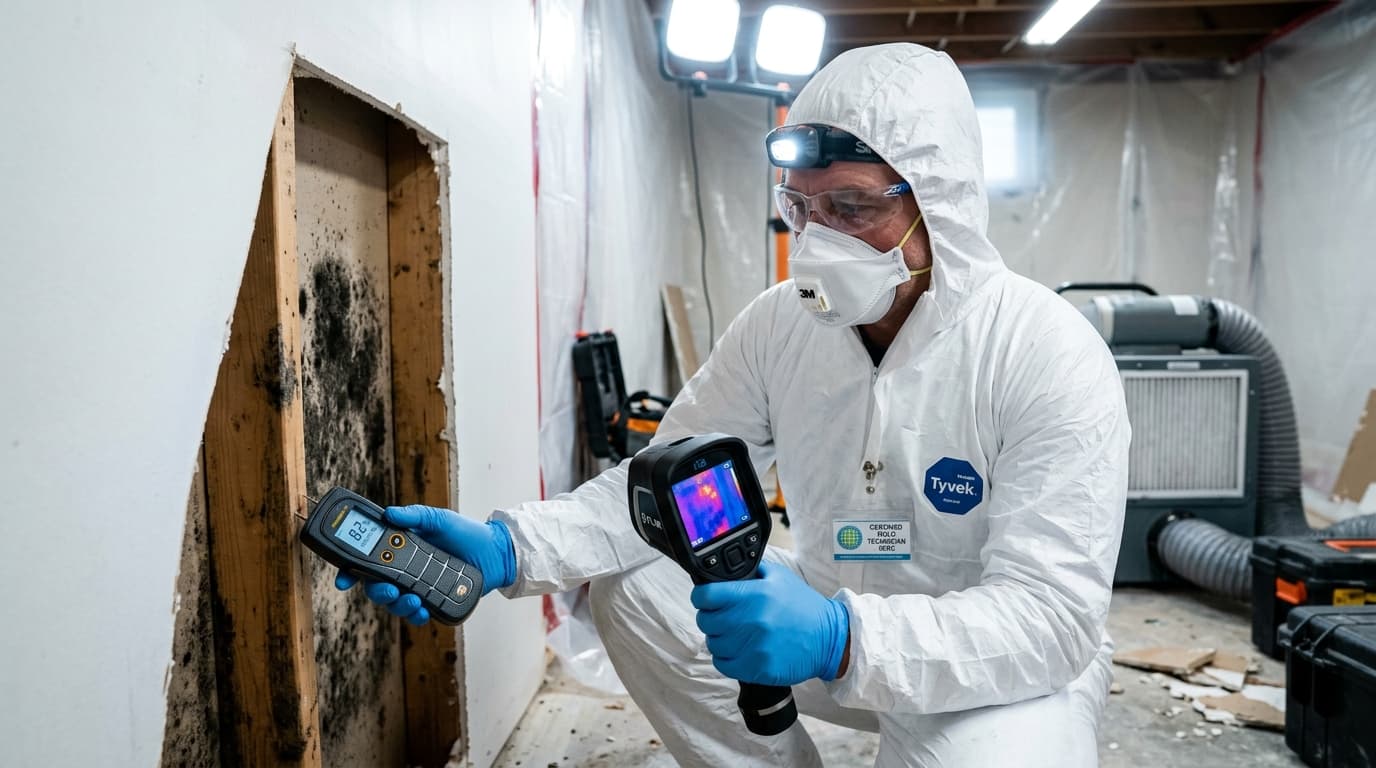
Mold Remediation & Removal
When plumbing leaks, crawl space humidity, or roof intrusion trigger fungal growth in your Treasure Valley property, surface spraying is never enough. Our network connects Boise property owners with certified mold remediation and black mold removal specialists. We provide thermal moisture mapping, negative air containment, HEPA air scrubbing, and attic and crawl space mold remediation to eliminate airborne spores and restore healthy indoor air quality.
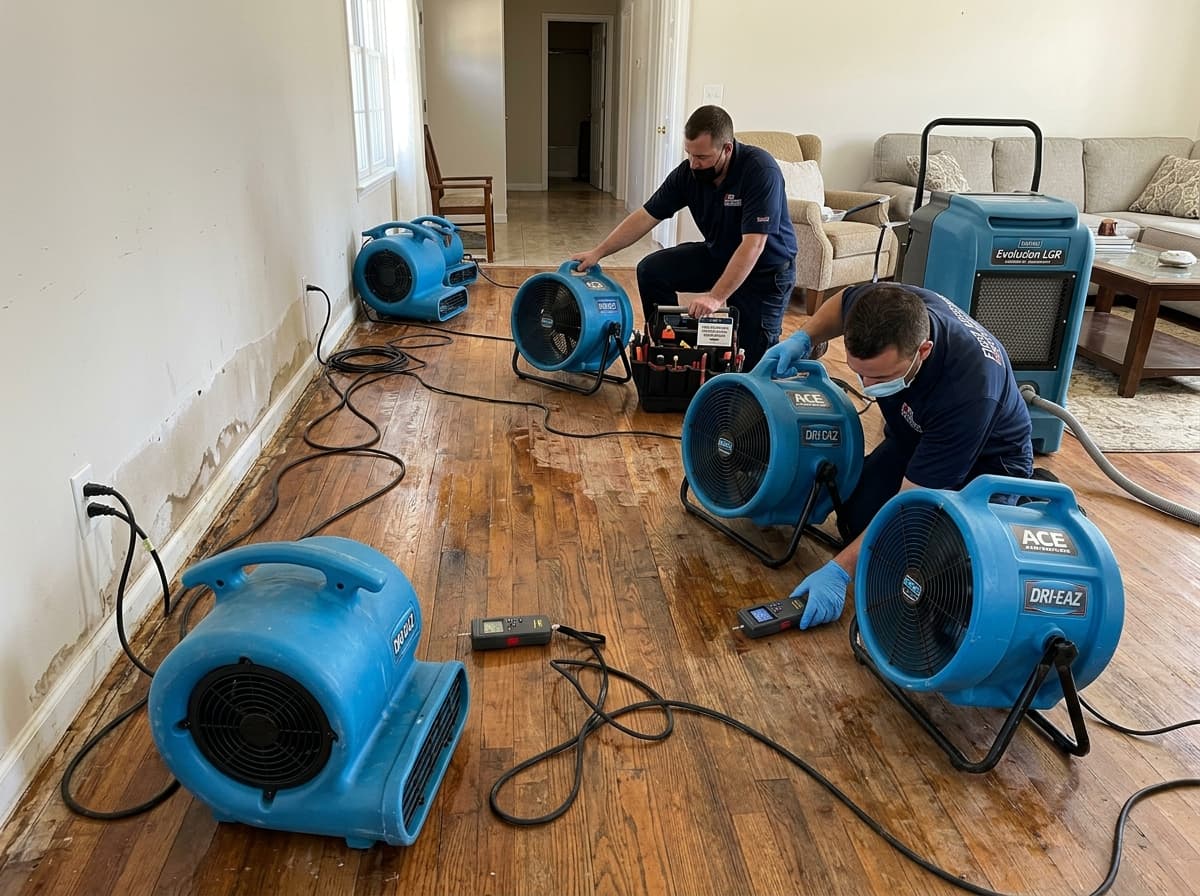
Structural Drying & Dehumidification
Removing standing liquid is only the first step. Microscopic water remains bound inside wooden studs, subfloors, and concrete foundations. Connect with Boise structural drying specialists who deploy industrial LGR dehumidifiers, high-velocity axial air movers, and daily grains-per-pound (GPP) moisture monitoring.
Nearby Treasure Valley Service Areas
Written by Boise Restoration Editorial Team
Environmental & Moisture SpecialistsCertified microbial investigators and structural drying technicians specializing in IICRC S520 mold remediation, crawl space encapsulation, and subfloor stabilization across Ada and Canyon counties.
Sources & References
The factual recommendations, contamination categories, and psychrometric principles in this guide are directly grounded in the following official government disaster protocols and ANSI/IICRC restoration standards:
- 1ANSI/IICRC S520 Standard and Reference Guide for Professional Mold RemediationInstitute of Inspection, Cleaning and Restoration Certification (IICRC) • 2026
Governing standard for containment, negative air pressure, and physical extraction of fungal contamination.
- 2Crawlspace Science: Moisture Control and Building PerformanceBuilding Science Corporation • 2024
Scientific validation of the stack effect, vent closure, and encapsulated crawl space thermal dynamics.
- 3A Brief Guide to Mold, Moisture, and Your HomeUnited States Environmental Protection Agency (EPA) • 2025
Authoritative health guidelines on indoor airborne mycotoxins and moisture prevention thresholds.
- 4Health Effects of Indoor Fungal ContaminationNational Institute of Environmental Health Sciences (NIEHS) • 2023
Clinical research on respiratory diseases and asthma exacerbation linked to subterranean mold exposure.
Frequently Asked Questions
Yes. Due to the Stack Effect, approximately 40% to 50% of the air on your first floor rises directly out of your crawl space. When mold colonies release spores, mycotoxins, and microbial volatile organic compounds (MVOCs), they enter your indoor air supply, frequently causing chronic respiratory infections, allergic rhinitis, headaches, fatigue, and severe asthma flare-ups.
Continue Learning About Water Damage
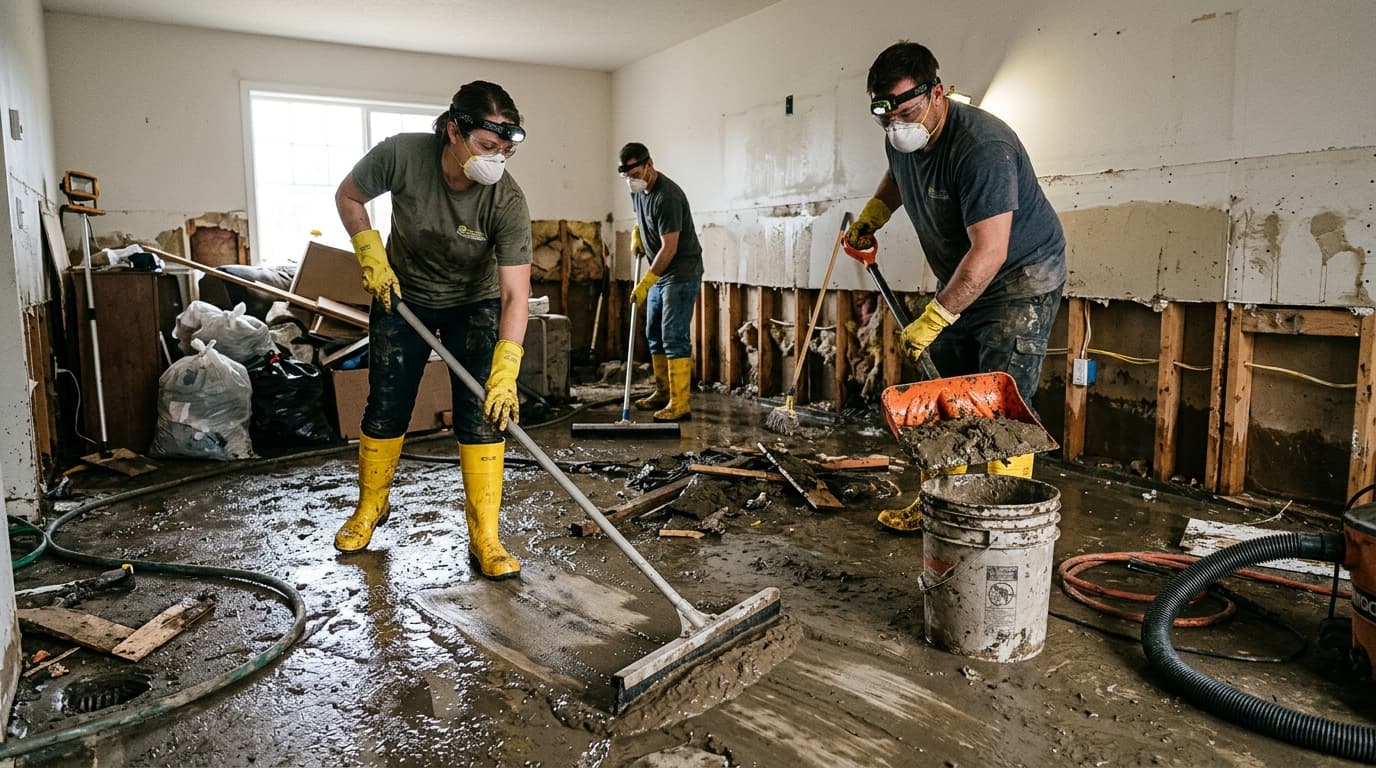
Boise River Runoff & Canal Flooding: Protecting Treasure Valley Homes
When seasonal mountain snowmelt swells the Boise River and hundreds of irrigation canals fill each spring, rising groundwater tables inundate basements and crawl spaces across the Treasure Valley. Here is how local property owners can protect their foundations.
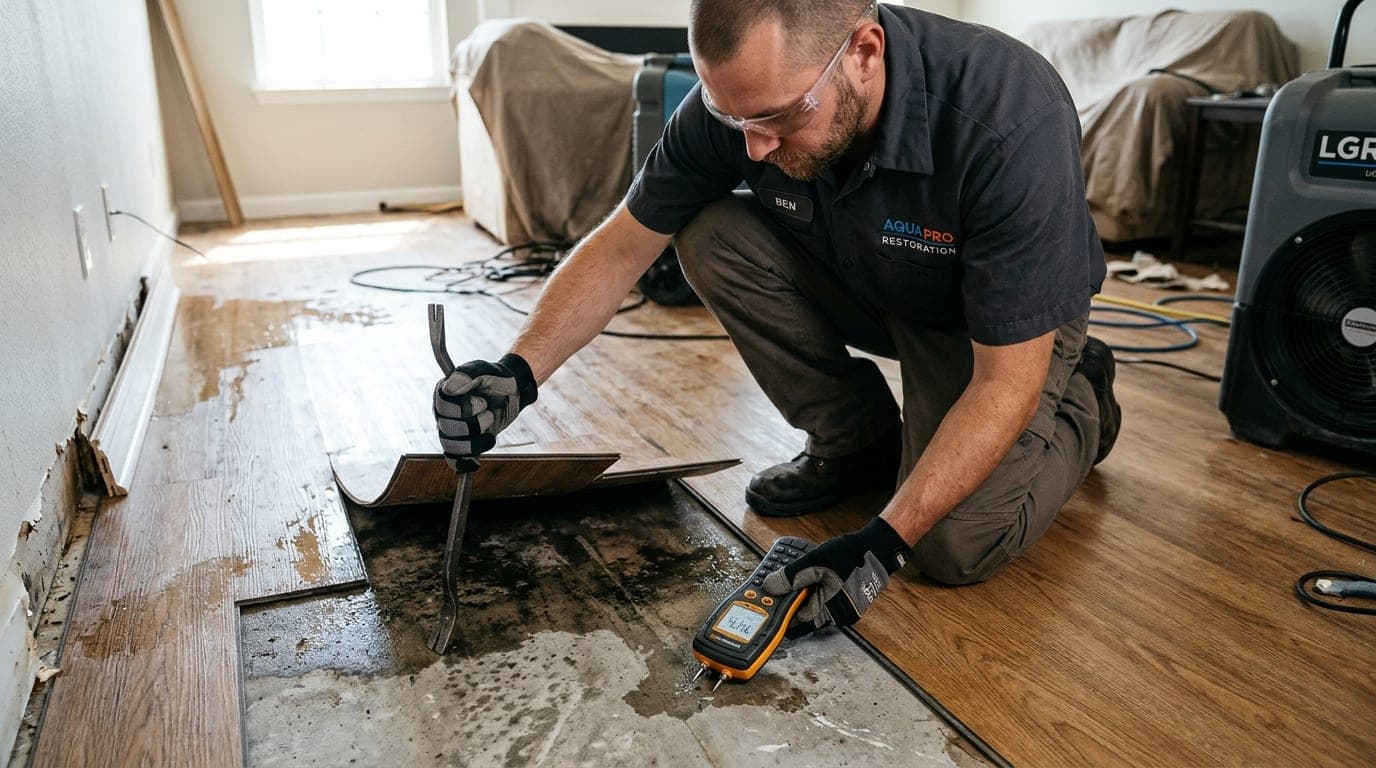
Water Damage Under Luxury Vinyl Plank (LVP) and Laminate Flooring: Trapped Moisture, Mold Risks & Restoration in Boise, ID
Luxury vinyl plank is marketed as 100% waterproof, but what happens when water seeps beneath the planks? Explore the 'sandwich effect', why trapped subfloor moisture breeds black mold, and how professional drying crews save vinyl and laminate floors across the Treasure Valley.
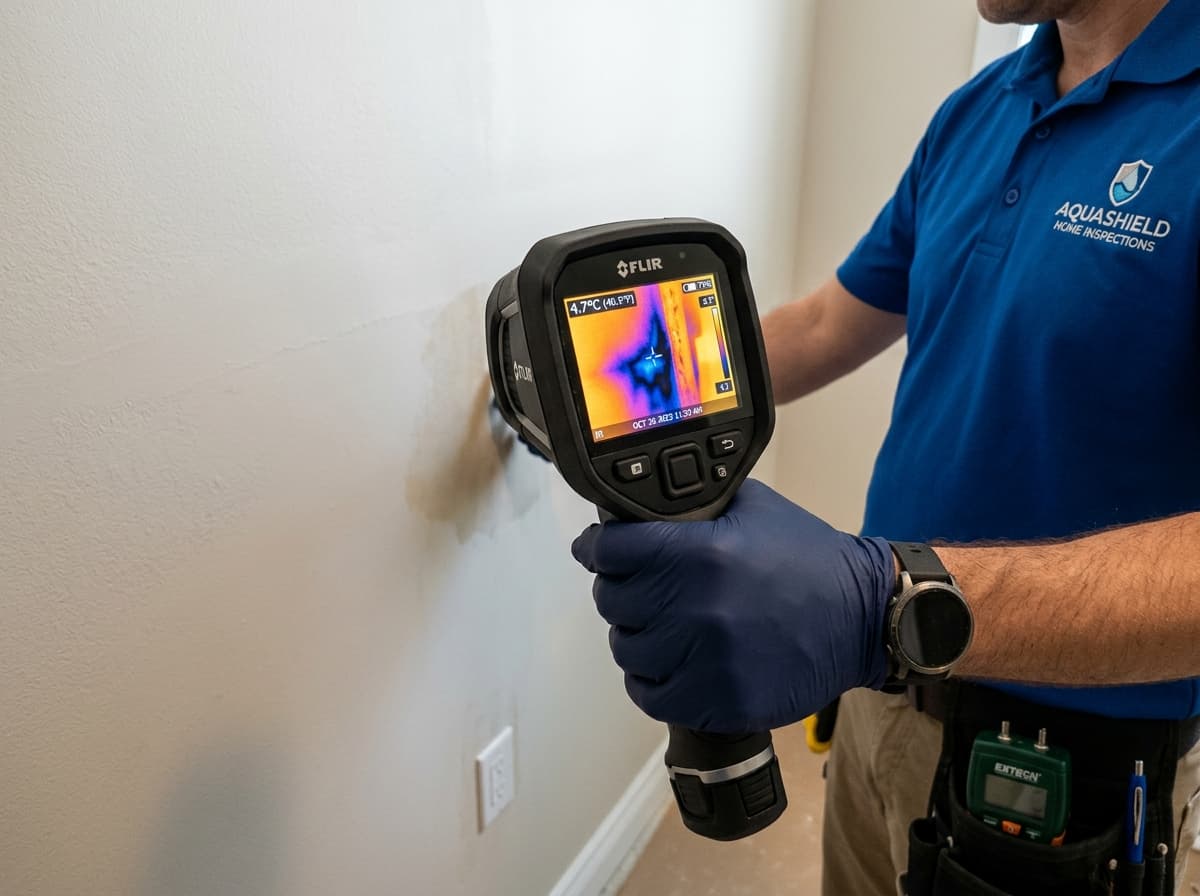
Signs of Water Damage in Walls: How to Detect Hidden Moisture
Water leaks inside wall cavities often remain concealed until peeling paint, warped baseboards, or persistent musty odors reveal hidden moisture. Here is how to diagnose wall leaks before mold and structural rot take hold.