
Boise River runoff and irrigation canal seepage represent Category 3 (black water) flooding risks due to high agricultural silt, street fertilizers, and biological microbes. Standard homeowners insurance (HO-3) routinely excludes overland flooding and groundwater seepage unless the property owner maintains a dedicated National Flood Insurance Program (NFIP) policy. Immediate recovery requires industrial trash pumps, subfloor decontamination, soil sanitization, and installing heavy 10-mil+ crawl space vapor barriers.
- Hydrostatic Ground Pressure: High water tables force moisture upward through dirt crawl spaces and basement slabs.
- Canal Breaches & Overflow: Clogged canal grates and sudden irrigation surges flood neighboring subdivisions.
- Category 3 Biohazard: Exterior floodwater carries agricultural runoff, weed seeds, and surface bacteria.
- Insurance Exclusions: Standard policies do NOT cover rising groundwater or canal overflows.
- Sump Pump Priority: Automatic submersible sump pumps with battery backups are essential along river corridors.
1. The Unique Hydrology of the Boise River Basin
Unlike arid desert regions with deep water tables, the Boise metropolitan area sits within an intricate river basin fed by the Sawtooth and Boise mountain snowpacks.
From Lucky Peak Reservoir through downtown Boise, Garden City, Eagle, and western Canyon County to the Snake River confluence, the Boise River fluctuates dramatically. When spring temperatures warm rapidly, release rates from Lucky Peak dam frequently exceed 6,000 to 8,000 cubic feet per second (cfs).
At the same time, regional irrigation districts divert massive volumes into major canals like the New York Canal, Ridenbaugh Canal, and Settlers Canal. When dirt-bank canals saturate, or debris jams culvert headgates, water overflows into adjacent subdivisions, saturating foundation soils.
High-Risk Neighborhoods in the Metro Area
Properties along the Boise Greenbelt, Garden City riverfront estates along Chinden Blvd, Eagle Island subdivisions between the north and south channels, and low-lying agricultural subdivisions in Caldwell and Wilder face the highest risk of seasonal groundwater intrusion.
2. How High Groundwater Tables Destroy Crawl Spaces
In cities like Meridian, Star, and Kuna, hundreds of residential subdivisions were developed on historic farm fields underlain by shallow hardpan clay layers. When surrounding irrigation ditches fill in April, water cannot easily drain downward.
Instead, rising groundwater seeks the path of least resistance: your unconditioned dirt crawl space. Homeowners often discover 6 to 18 inches of standing, murky water beneath their floor joists without noticing any indoor plumbing leaks.
What Happens When Crawl Spaces Flood
- Subfloor Joist Rot: Wooden structural beams absorb moisture, leading to fungal wood decay (dry rot) and bouncy, sagging floors.
- Fiberglass Insulation Ruin: Subfloor insulation absorbs water like a sponge, pulls down under its own weight, and traps moisture against subflooring.
- The Stack Effect: Up to 50% of the air breathed on the ground floor of a home originates from the crawl space, carrying musty fungal spores throughout the living quarters.
- Ductwork Condensation: HVAC supply ducts running through a flooded crawl space develop severe interior condensation and mold colonies.
3. Emergency Steps When Canal or River Water Enters Your Property
Because canal and river waters are classified as Category 3 (black water) biohazards, safety and prompt physical containment are critical:
River & Canal Flooding Action Checklist
Tap items to track reading progressNever enter a flooded basement or crawl space if electrical wiring, well pump switches, or furnace panels are submerged.
If water originates from a leaking ditch or canal breach, immediately notify the canal operator (e.g., Boise Project Board of Control or Nampa & Meridian Irrigation District) to divert headgates.
Standard shop vacs will clog with canal silt and weeds. Professional gas-powered trash pumps are required to evacuate bulk muddy liquid.
All saturated insulation must be bagged, removed, and safely discarded under protective containment.
Exposed soil, concrete footings, and structural wood framing must be heavily disinfected to eradicate agricultural pathogens and mold spores.
4. Understanding Insurance Realities: NFIP vs. Homeowner Policies
One of the most painful surprises for Idaho homeowners is learning that standard property insurance policies specifically exclude damage from 'surface water', 'rising floodwaters', and 'subterranean water pressure'.
To protect against Boise River overflow or widespread canal breeches, homeowners must purchase a policy through the National Flood Insurance Program (NFIP) or private flood insurers. Note that NFIP policies carry a strict 30-day waiting period before coverage takes effect, meaning policies cannot be purchased after flood warnings are issued.
The Water Backup Rider Distinction
If water backs up through an interior floor drain or basement sump pump due to excessive municipal line saturation, an optional 'Water Backup and Sump Discharge' endorsement may cover the loss even if standard flood damage is denied.
Related Water Restoration Services in Boise
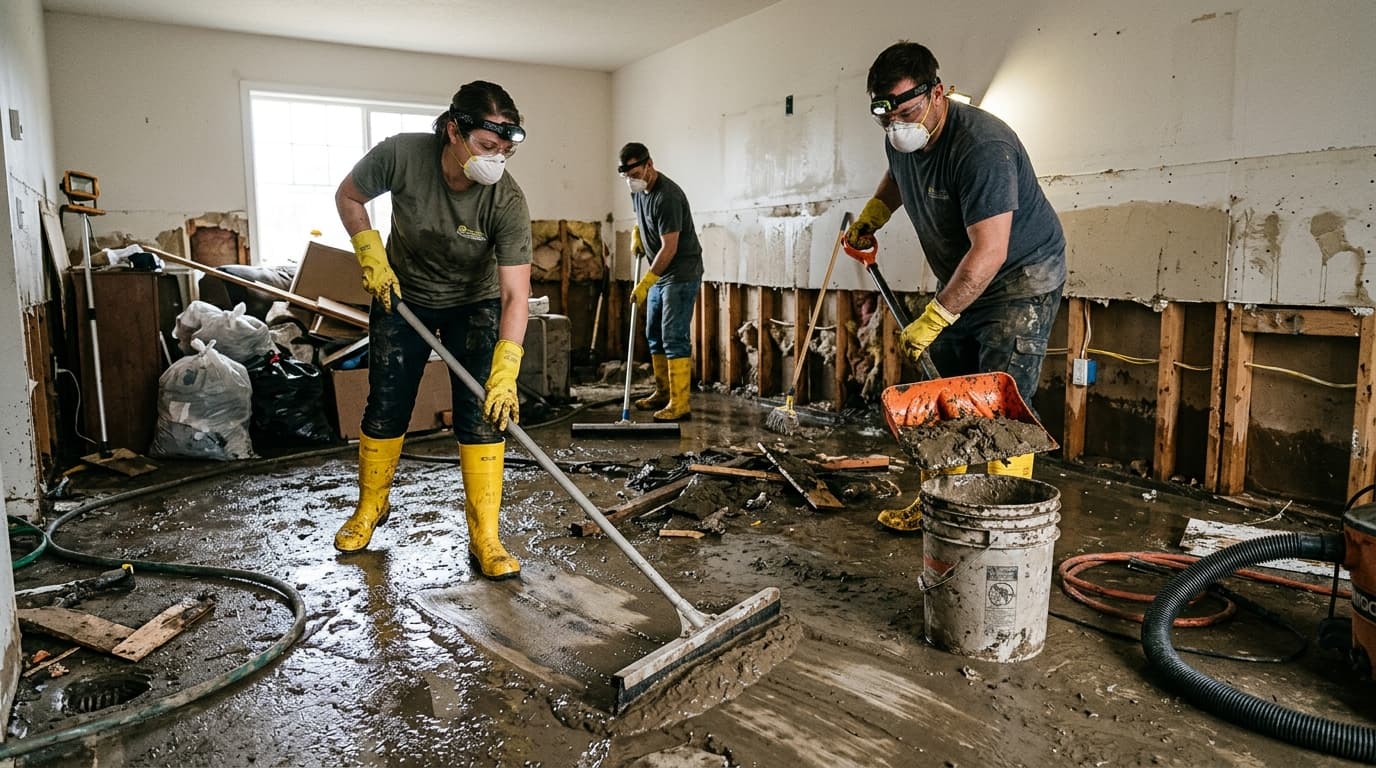
Flood Damage Cleanup
Floodwaters bring silt, organic mud, and bacterial contaminants into living spaces. Connect with local Boise flood cleanup crews equipped to safely extract contaminated water, remove unsalvageable porous debris, and sanitize structural framing.
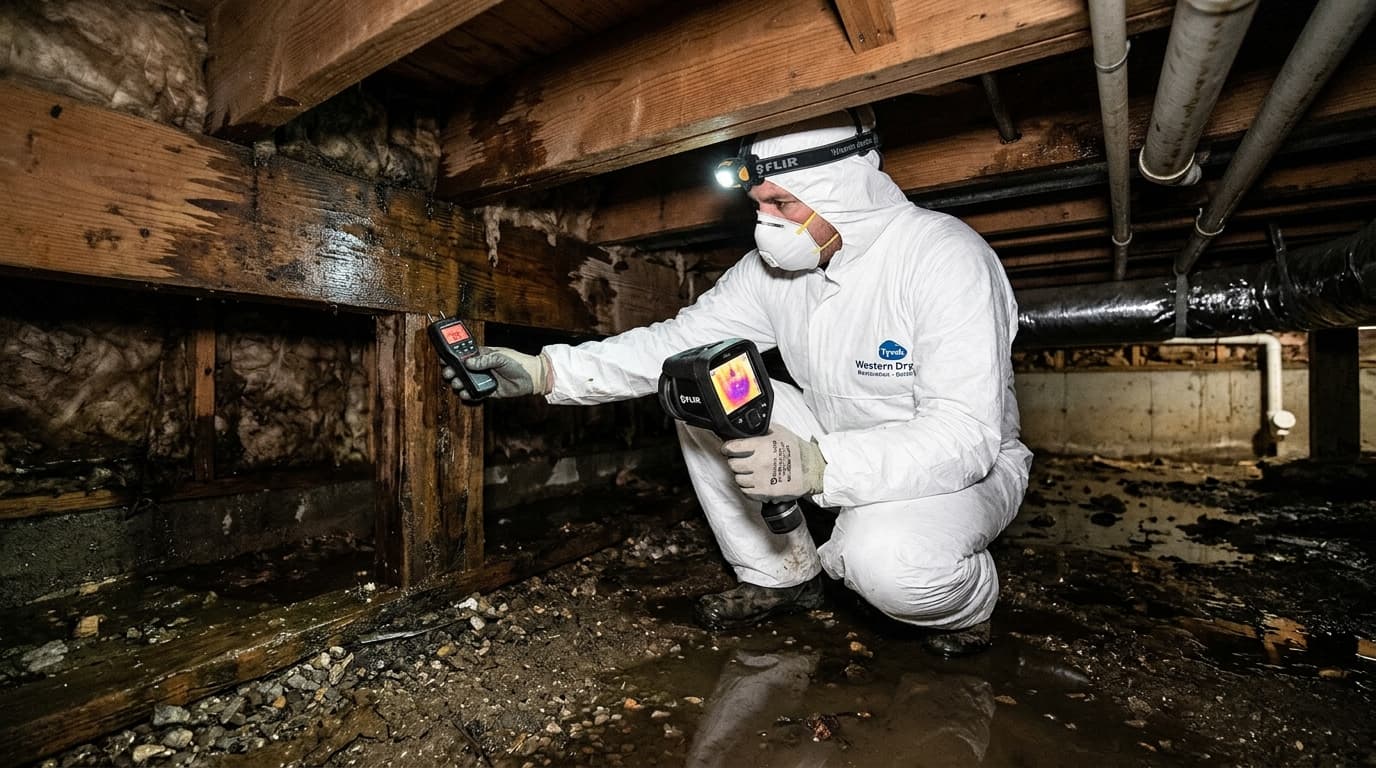
Crawl Space Water Damage Cleanup
Over 65% of Treasure Valley homes feature raised crawl spaces where essential plumbing runs. When pipes freeze, canals seep, or ground moisture rises, water beneath your home rots floor joists and circulates contaminants into your living rooms through the stack effect. Connect with certified crawl space mitigation specialists across Boise, Meridian, Eagle, and Kuna.
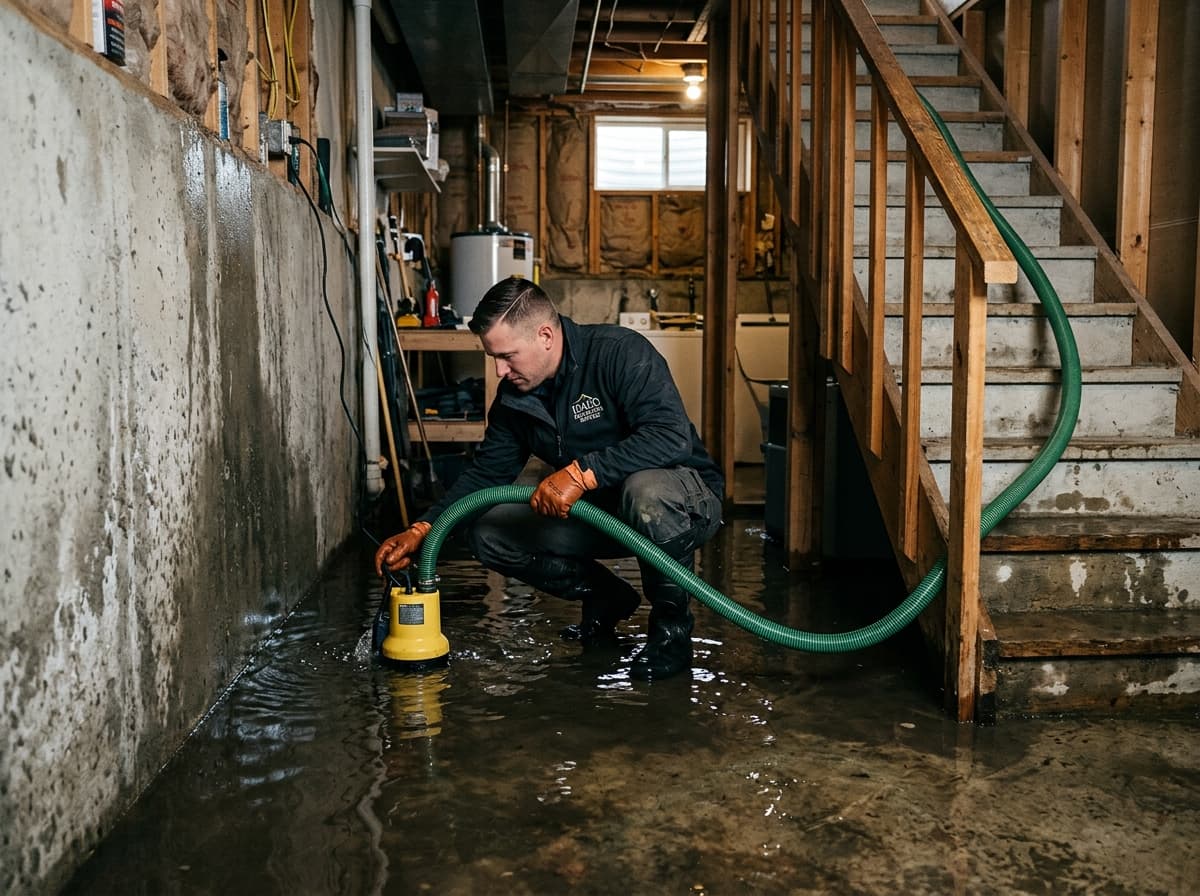
Basement Water Removal
Basements lack natural cross-ventilation, creating the ideal environment for standing water to saturate cold concrete slabs, rot perimeter sill plates, and trigger severe mold colonies. Connect with Boise basement water extraction crews equipped with heavy-duty submersible pumps and commercial desiccant dryers.
Nearby Treasure Valley Service Areas
Written by Boise Restoration Editorial Team
Editorial TeamLocal educational and resource team providing water damage mitigation guidance for Boise and the Treasure Valley.
Sources & References
The factual recommendations, contamination categories, and psychrometric principles in this guide are directly grounded in the following official government disaster protocols and ANSI/IICRC restoration standards:
- 1Boise River Basin Water Management & Flood Risk GuidelinesU.S. Army Corps of Engineers (USACE) Walla Walla District • 2026
- 2Treasure Valley Irrigation Canal Safety and Operational DirectoryBoise Project Board of Control • 2026
- 3
Frequently Asked Questions
Under Idaho law, irrigation ditch companies and canal districts generally operate under historic easements and are held to a negligence standard. Unless you can prove the ditch company was grossly negligent in maintaining the structure or failed to respond after notice of a jam, homeowners are usually responsible for their own property repairs.
Continue Learning About Water Damage
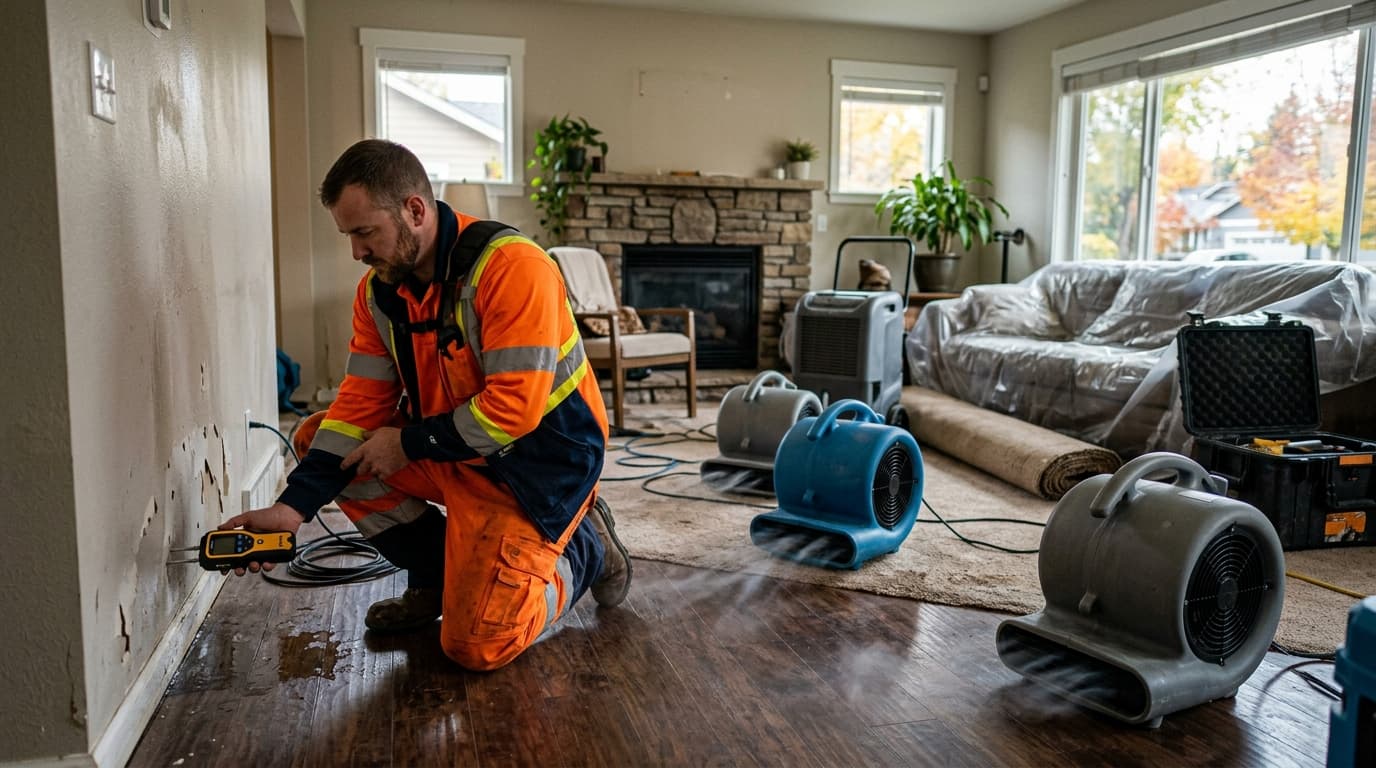
What to Do After Water Damage: A Step-by-Step Emergency Guide
When water intrudes into your living space, the first 24 to 48 hours determine whether your floors, framing, and drywall can be preserved or if destructive mold and rot take hold. Here is the verified emergency recovery sequence from certified restoration specialists.
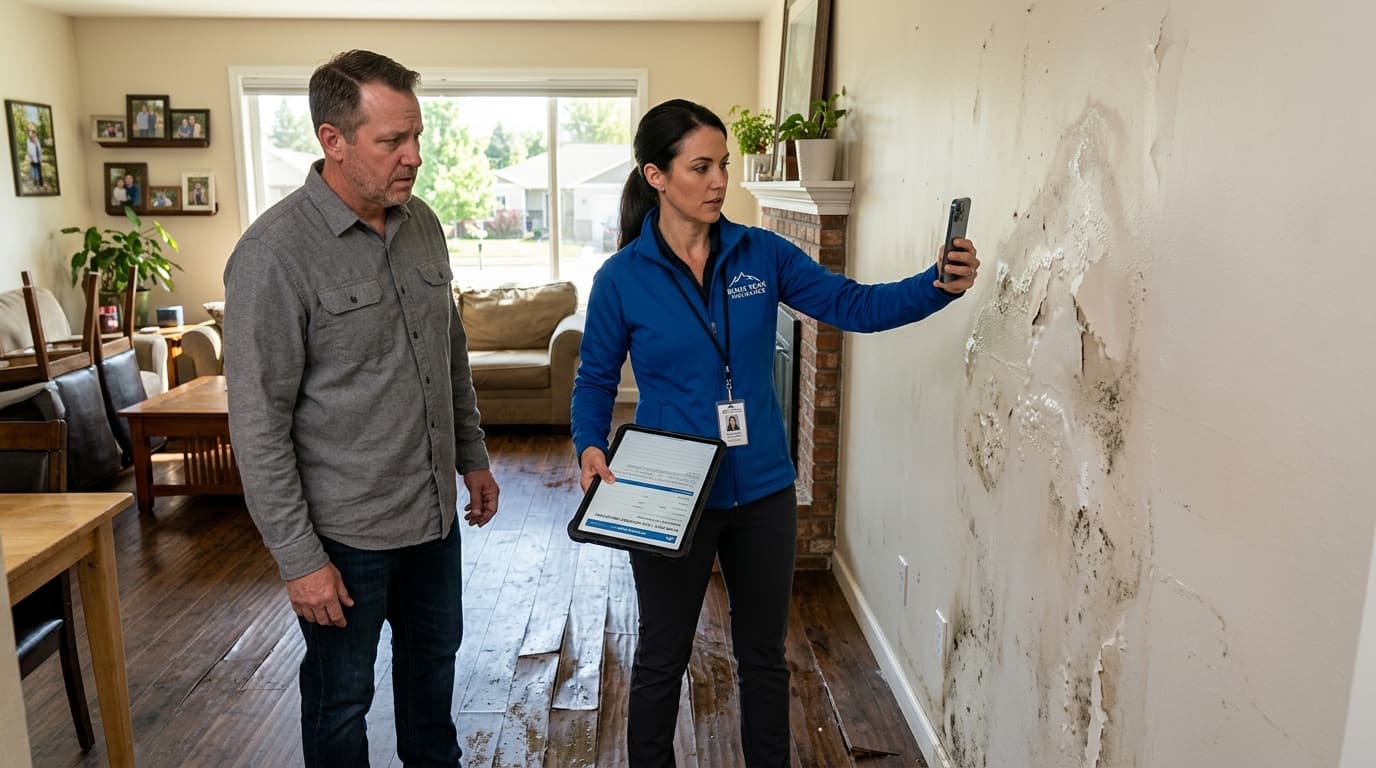
Does Homeowners Insurance Cover Water Damage in Idaho? Complete Claim Guide
When facing thousands in water damage repairs, your first question is: Will insurance pay for this? Here is the exact breakdown of covered vs non-covered water losses under Idaho homeowner policies.
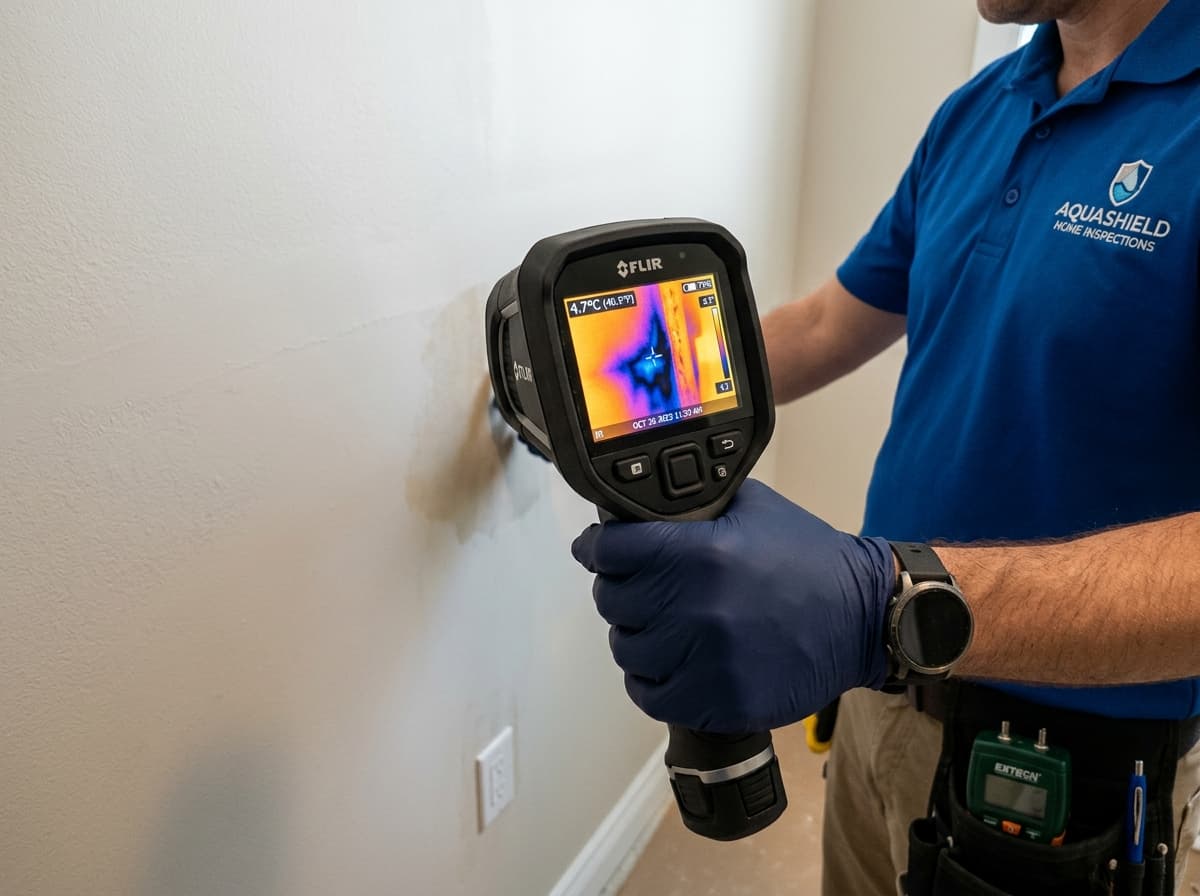
How Much Does Water Damage Restoration Cost in Boise, ID? (2026 Price Guide)
Facing unexpected water damage in your Boise home? Learn exact industry benchmark costs per square foot, equipment run-rate charges, water category multipliers, and how insurance claims function in Idaho.