
To shut off your main water in Boise, look first for your interior master valve, typically located in your crawl space near the foundation entry, in your water heater closet, or where the main copper line enters the garage. For ball valves, turn the lever 90 degrees until perpendicular to the pipe. For round gate valves, turn clockwise until fully seated. If the indoor valve cannot be found or has seized, use a five-sided water meter key to open your curbside meter pit at the street and turn the brass curb stop valve clockwise 90 degrees.
- Ball Valve vs Gate Valve: Quarter-turn levers should be perpendicular to pipe; round wheels turn clockwise ('Righty Tighty').
- Interior Location: Most Boise homes built on crawl spaces have the valve just inside the access hatch or near the water heater.
- Curbside Meter Pit: Located near the sidewalk in a concrete or plastic box labeled 'WATER' (Veolia or City of Meridian).
- Street Key Required: Curbside shutoff requires a standard T-handle water meter key or sturdy crescent wrench and screwdriver.
- Relieve Trapped Pressure: After closing the main valve, open lowest and highest indoor faucets to drain standing line pressure.
1. Locating Your Interior Main Water Shutoff Valve
Your first line of defense is always the interior shutoff valve. Unlike curbside meter pits, indoor valves do not require special tools or digging through snow and leaves.
In Boise, Meridian, and Eagle, residential construction style dictates where your builder installed the main water entrance. Because the majority of homes built between 1970 and today feature raised crawl space foundations, the main water pipe usually penetrates the foundation footing beneath the ground.
Check these four primary indoor locations in order of likelihood:
Proactive Labeling
Take five minutes today to locate your interior valve and tag it with bright fluorescent tape. When water is cascading from an upstairs ceiling, every family member should know exactly where to run.
Location A: Just Inside the Crawl Space Access Hatch
In many Ada County subdivisions, the main shutoff valve is mounted within arms-reach inside the crawl space access door (often located in a closet floor, garage corner, or exterior foundation hatch). Look for a blue or yellow-handled ball valve or a red brass wheel valve directly on the incoming copper or PEX line.
Location B: Adjacent to the Water Heater or Mechanical Closet
In newer homes or townhomes built on concrete slabs, the main line typically rises directly through the concrete slab into the water heater utility closet or garage mechanical nook. You will see two valves: one dedicated shutoff for the cold inlet to the water heater tank, and a larger primary valve controlling the entire residence.
Location C: Garage Wall or Plumbing Manifold Box
Many modern homes throughout South Meridian, Star, and Kuna feature a centralized PEX plumbing manifold box set into the garage drywall. The main shutoff is the master red or yellow handle at the bottom or top of the manifold block.
2. How to Operate Ball Valves vs. Gate Valves
Applying brute force to an old brass valve can snap the stem and cause a worse leak. Understand which type of valve you have before applying pressure.
Most residential plumbing systems in Southwest Idaho use one of two valve configurations:
Quick Valve Operation Verification
Tap items to track reading progressQuarter-Turn Ball Valves (Modern & Reliable)
Features a straight metal lever handle. When the water is ON, the lever is parallel to the pipe. To shut it OFF, turn the lever 90 degrees until it is perpendicular to the pipe. This requires only a gentle quarter turn.
Multi-Turn Gate Valves (Older Brass Wheels)
Features a round wheel resembling an outdoor hose spigot. Turn the wheel clockwise ('Righty-Tighty') until it stops rotating. Do not overtighten or use a cheater bar, as aged brass stems can break inside the valve body.
3. How to Shut Off Water at the Curbside Street Meter Pit
If your interior valve is frozen, seized, broken, or unreachable due to deep standing water, you must turn off the water at the city meter pit.
In Boise and Ada County, the water meter is housed in a round or rectangular in-ground pit near your front property line or sidewalk curb. In areas served by Veolia Water Boise (formerly SUEZ), the lid is heavy cast iron with a recessed pentagon nut or finger hole.
Curb Stop Valve Care
Never force a stubborn curbside curb stop with an oversized pipe wrench. If the brass keyway bends, you risk breaking city utility property. If it won't budge, call Veolia Emergency or local dispatch immediately.
Locate the Street Meter Box
Walk along the front curb line in front of your home.
- Look for a round metal or rectangular plastic lid labeled 'WATER' or 'METER'.
- Clear away snow, lawn mulch, or fallen leaves covering the lid.
Carefully Remove the Lid
Lift the heavy iron or composite cover.
- Use a standard pry tool, screwdriver, or water meter key handle to lift the lid.
- Watch out for spiders, cobwebs, or standing mud inside the pit.
Identify the Curb Stop Valve
Find the brass valve on the street side of the water meter dial.
- Inside the pit you will see your digital or mechanical water meter and two brass pipes.
- The curb stop has an oblong brass keyway with two raised eyelets.
Turn the Valve 90 Degrees Clockwise
Align the lock eyelets to verify full shutoff.
- Place the slotted end of a T-handle water meter key onto the curb stop valve.
- Rotate the key clockwise 90 degrees until the eyelet on the valve stem aligns perfectly with the fixed eyelet on the valve body.
- Once the holes line up, city water to your home is 100% disconnected.
4. What to Do Immediately After Water Stops Flowing
Stopping the active pressurized water is step one. The next 60 minutes dictate whether your subflooring and drywall can be preserved.
Once water pressure ceases, standing water continues to soak deep into porous subflooring, carpet underlayment, and drywall footings. Within 2 hours, sheetrock softens; within 24 to 48 hours, active mold colonies germinate.
Take these immediate steps:
1. De-energize wet circuits: If water touches baseboard outlets or under-floor wiring, switch off breakers from a dry location.
2. Photograph all damage: Take wide shots and close-ups of standing water, ruined furniture, and wet drywall before moving items for your insurance claim.
3. Dispatch certified water mitigation: Call an IICRC-certified extraction and drying company equipped with industrial truck-mounted extractors and LGR desiccant dehumidifiers.
Water Shut Off But Flooding Left Behind?
Every minute standing water sits on subflooring increases repair costs. Call our Boise 24/7 dispatch desk for immediate truck extraction.
Related Water Restoration Services in Boise
Water Damage Restoration
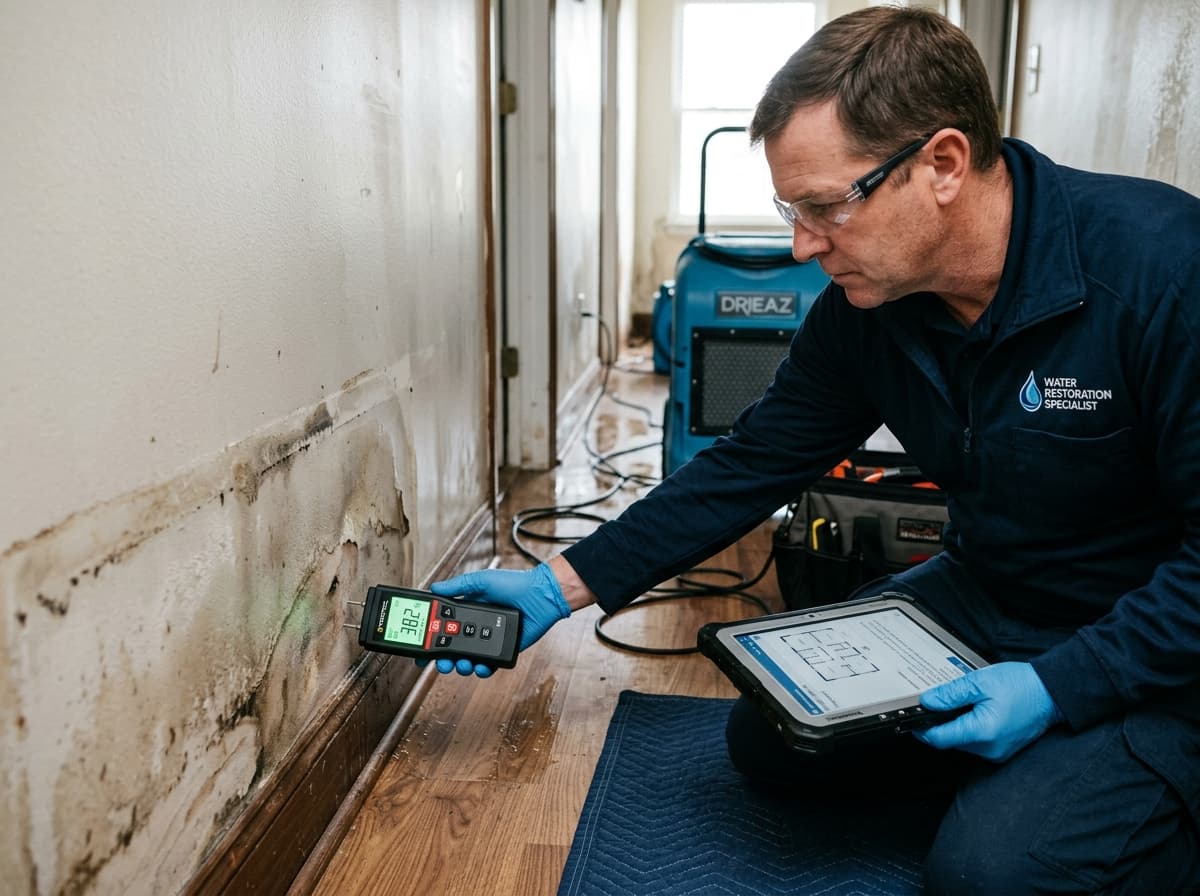
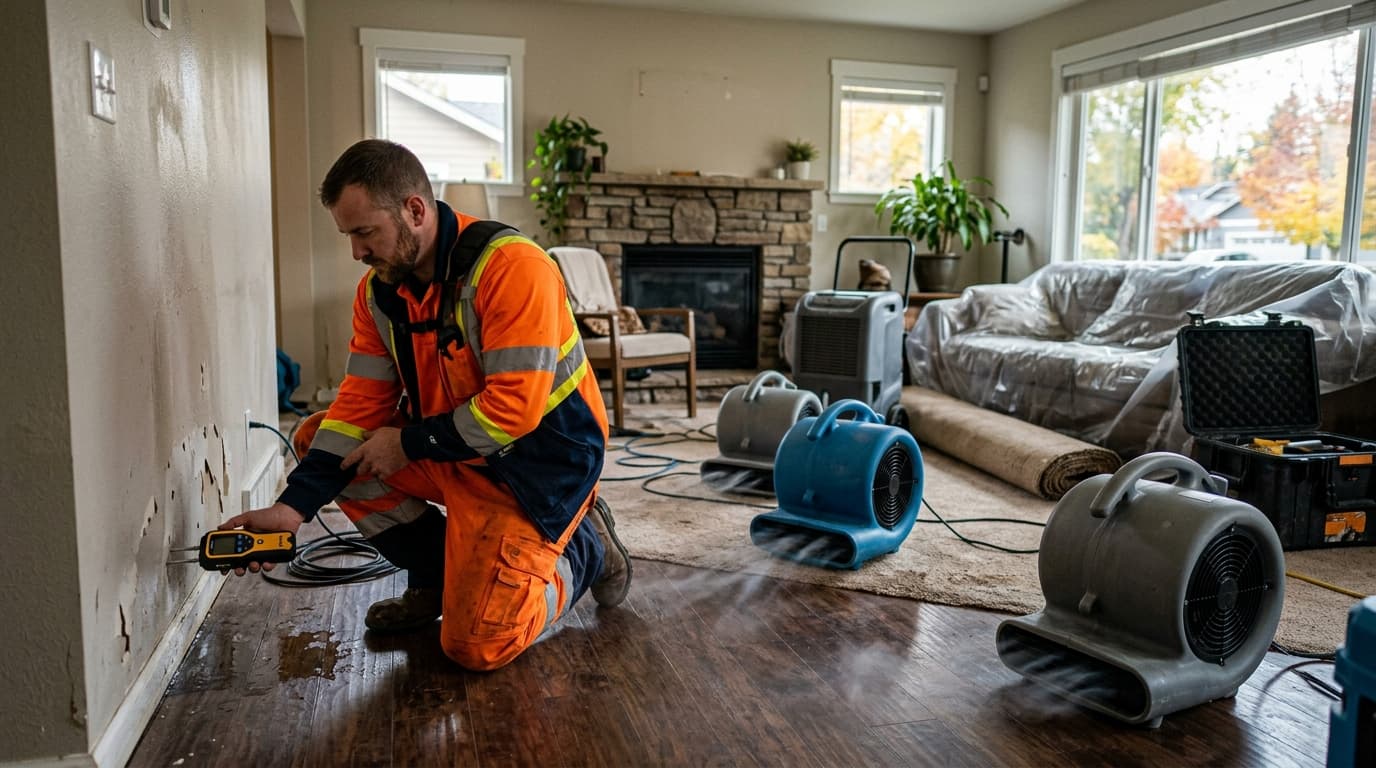
When water compromises your Boise property, full restoration requires more than removing surface liquid. Our network connects Treasure Valley property owners with technicians who handle diagnostic moisture mapping, controlled material removal, structural psychrometric drying, and antimicrobial sanitization.
Burst Pipe Water Damage
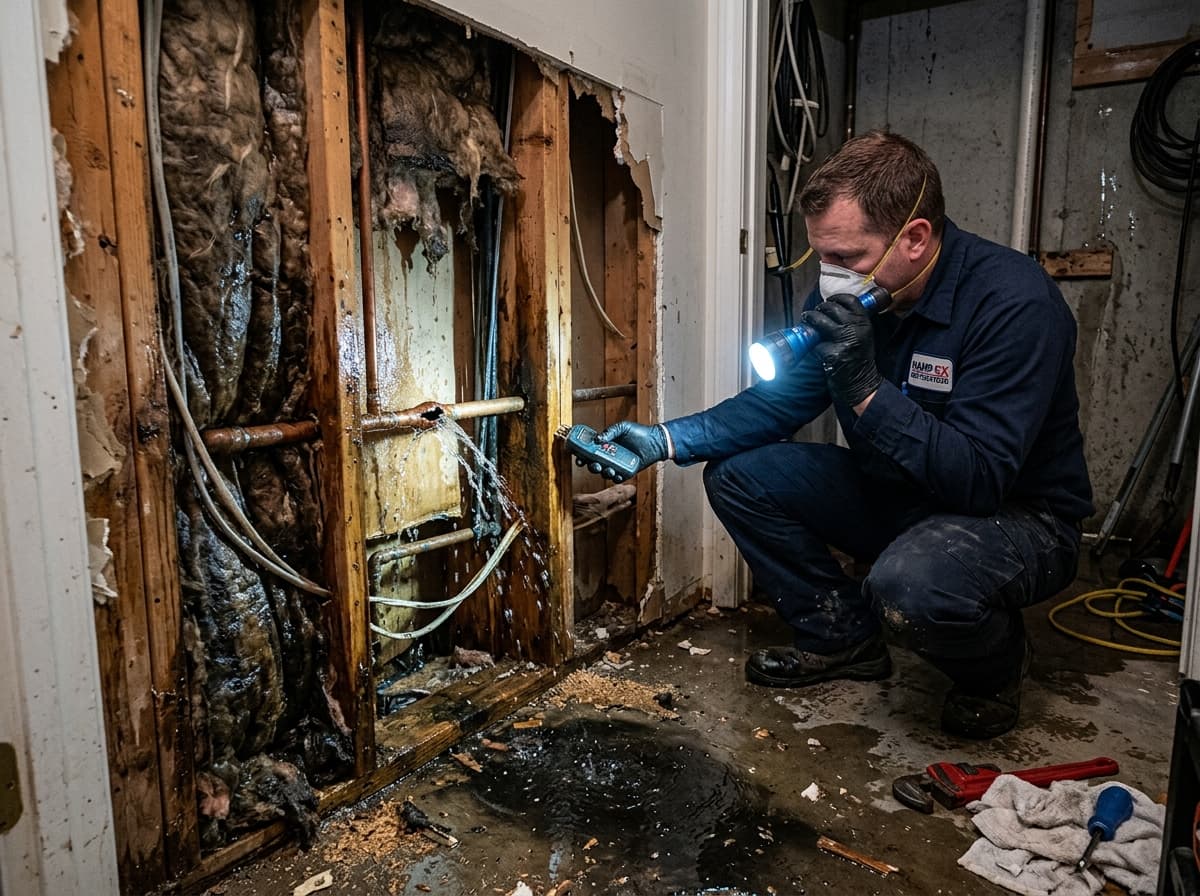
During Boise winter freezes, sub-freezing temperatures penetrate uninsulated crawlspaces, exterior walls, and attics, causing copper and PEX lines to burst under high pressure. When the thaw hits, hundreds of gallons pour into living spaces. Connect with local emergency pipe restoration crews immediately.
Crawl Space Water Damage Cleanup
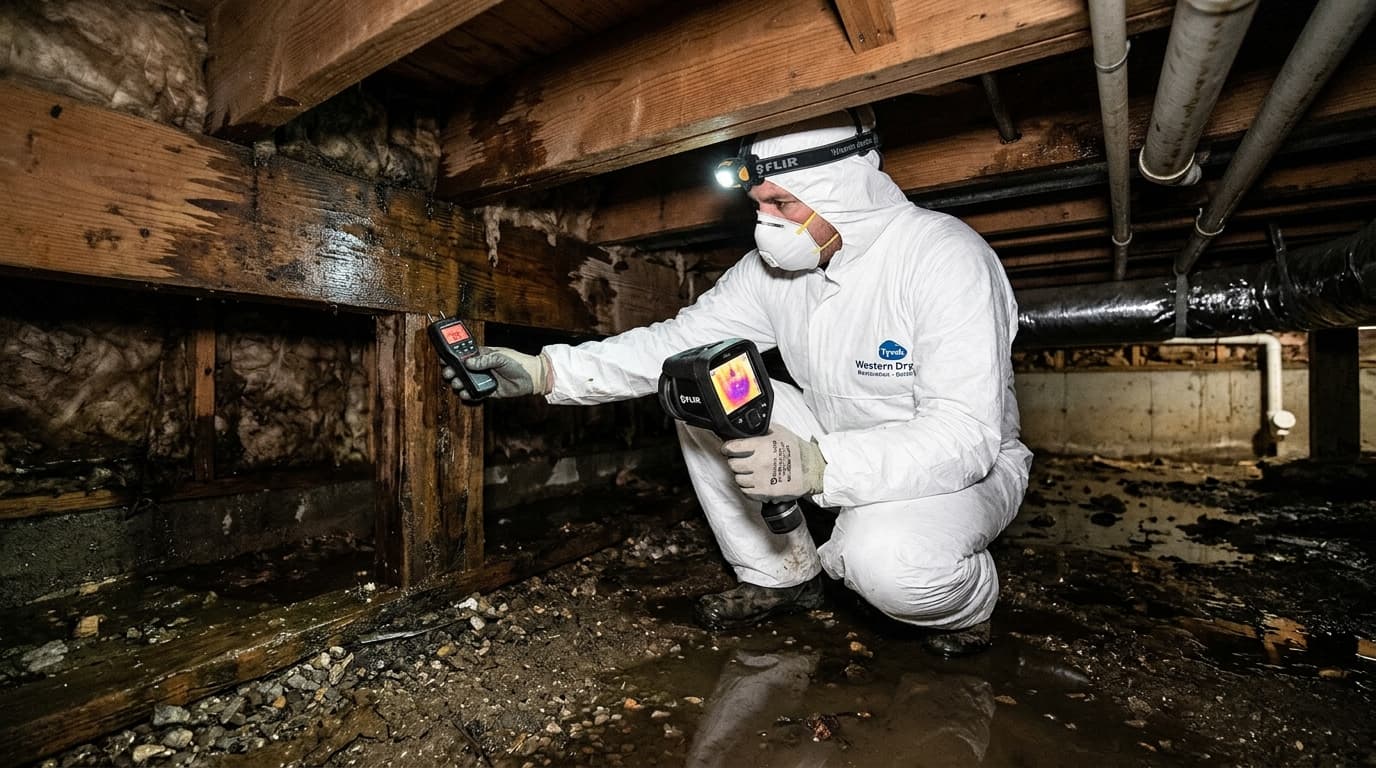
Over 65% of Treasure Valley homes feature raised crawl spaces where essential plumbing runs. When pipes freeze, canals seep, or ground moisture rises, water beneath your home rots floor joists and circulates contaminants into your living rooms through the stack effect. Connect with certified crawl space mitigation specialists across Boise, Meridian, Eagle, and Kuna.
Written by Boise Restoration Technical Editorial Team
Emergency Mitigation & Plumbing Incident CoordinatorsOur technical team advises homeowners and property managers on rapid hazard isolation, plumbing emergency protocols, and structural water damage response across southwestern Idaho.
Reviewed for municipal utility accuracy, valve operation safety, and emergency loss mitigation compliance.
Sources & References
The factual recommendations, contamination categories, and psychrometric principles in this guide are directly grounded in the following official government disaster protocols and ANSI/IICRC restoration standards:
- 1Drinking Water Service Guidelines & Meter VaultsVeolia Water Idaho
- 2Standard for Professional Water Damage Restoration (IICRC S500)Institute of Inspection Cleaning and Restoration Certification
- 3Protecting Residential Plumbing from FreezesFederal Emergency Management Agency (FEMA)
Frequently Asked Questions
In Boise and Meridian, homes without basements are typically built on crawl spaces. The main valve is almost always located inside the crawl space near the access hatch, or in the garage mechanical closet near the water heater.
Continue Learning About Water Damage
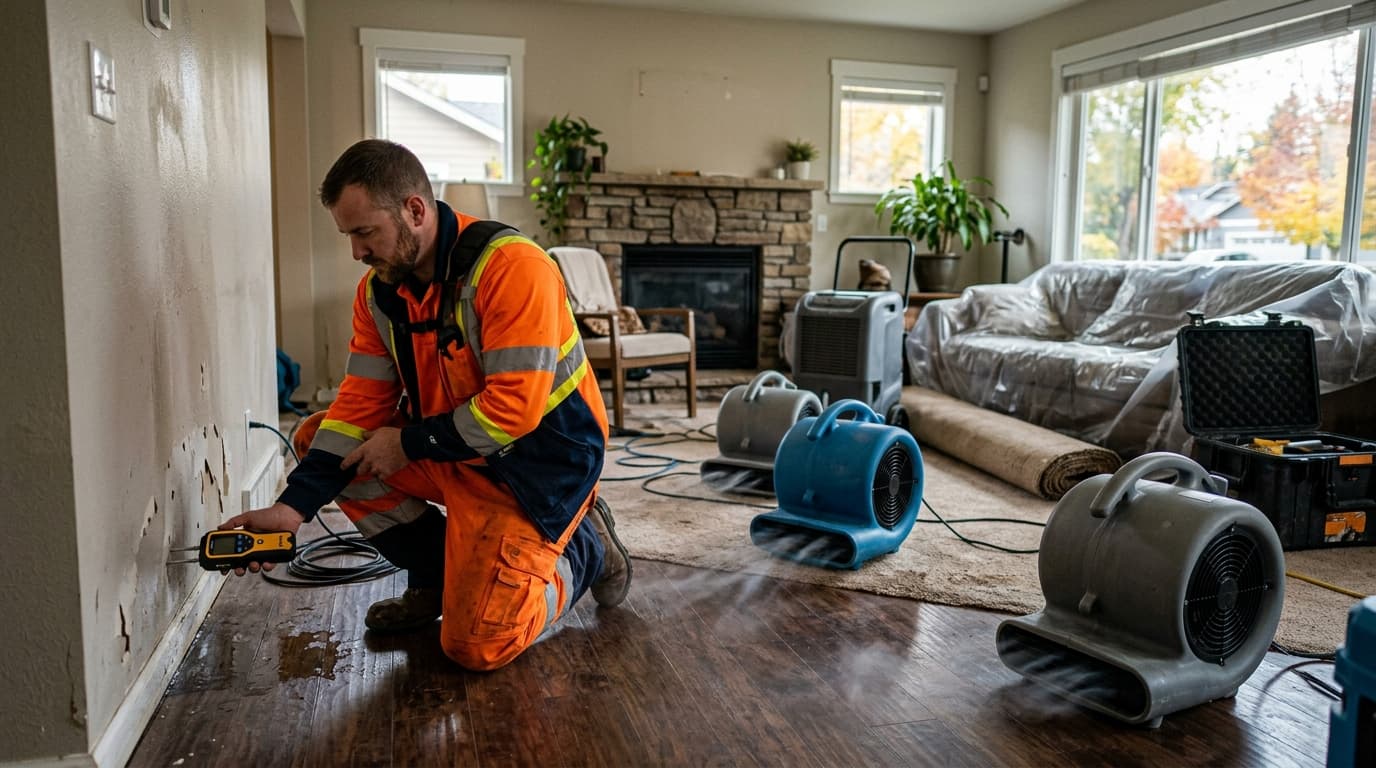
What to Do After Water Damage: A Step-by-Step Emergency Guide
When water intrudes into your living space, the first 24 to 48 hours determine whether your floors, framing, and drywall can be preserved or if destructive mold and rot take hold. Here is the verified emergency recovery sequence from certified restoration specialists.
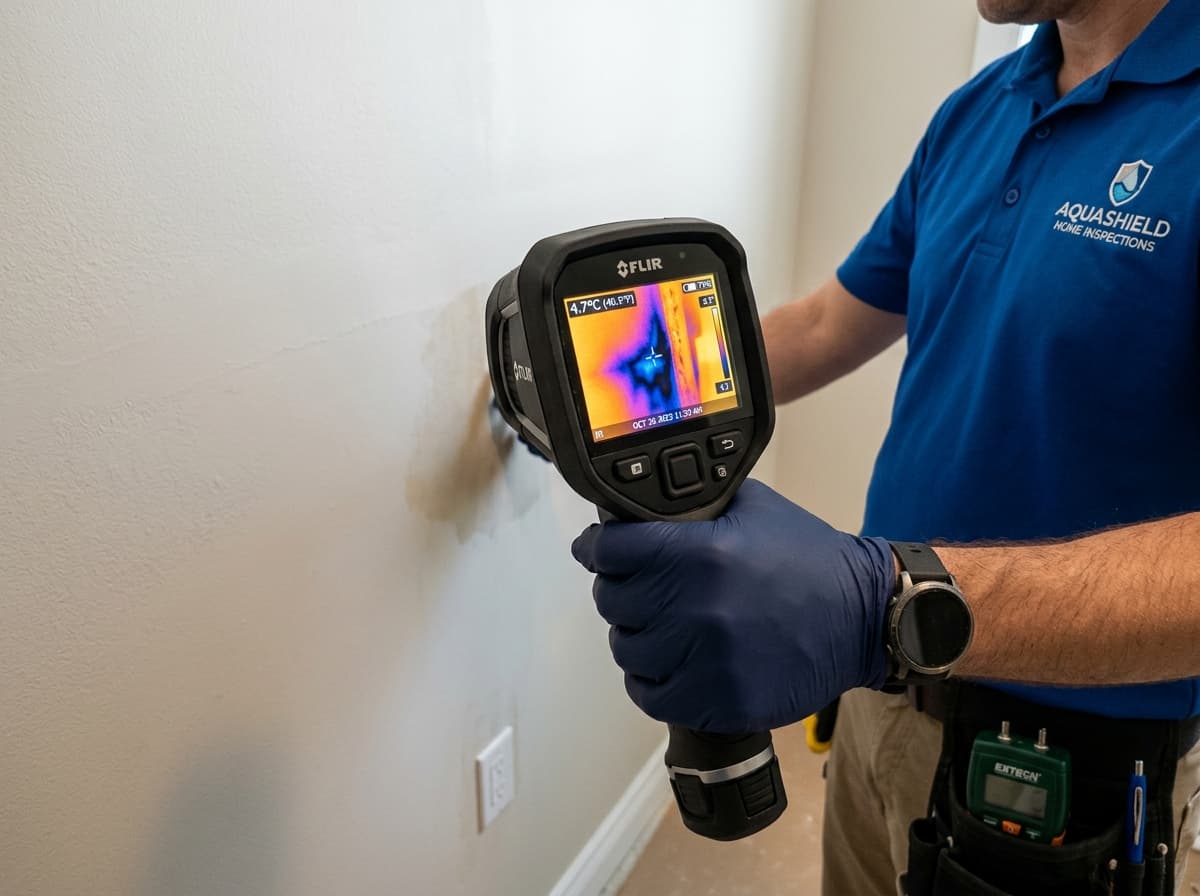
Signs of Water Damage in Walls: How to Detect Hidden Moisture
Water leaks inside wall cavities often remain concealed until peeling paint, warped baseboards, or persistent musty odors reveal hidden moisture. Here is how to diagnose wall leaks before mold and structural rot take hold.
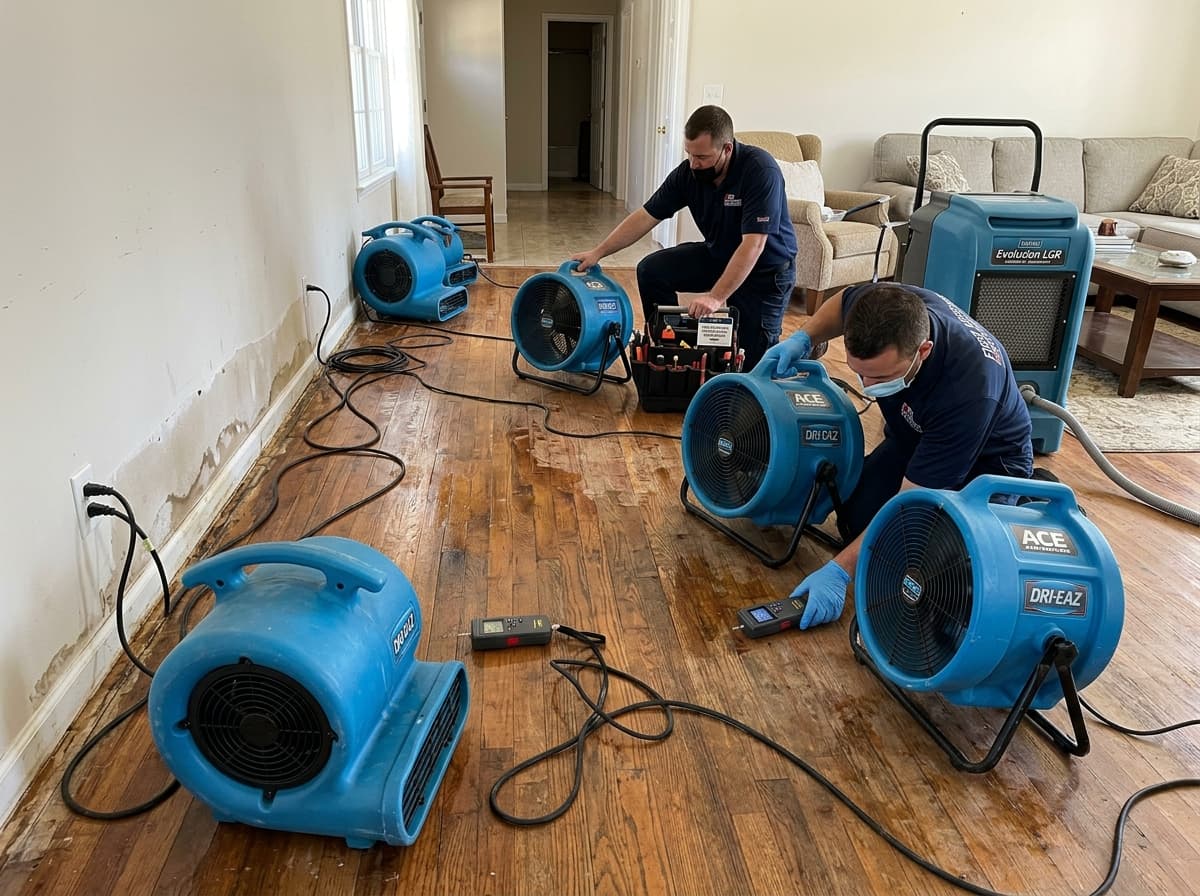
How Long Does Water Damage Take to Dry? Timelines, Science & Factors
While surface water may vanish in 24 hours, deep structural framing, subflooring, and wall cavities require 3 to 5 days under controlled industrial dehumidification. Here is the engineering science behind drying timelines.