
Yes, renters insurance (an HO-4 policy) covers water damage to your personal belongings if the cause is 'sudden and accidental'—such as a burst pipe, water heater rupture, or an upstairs neighbor's overflowing sink or bathtub. Renters insurance also pays for temporary hotel and food costs (Loss of Use / Additional Living Expenses) if your rental unit becomes uninhabitable during water mitigation. However, renters insurance NEVER pays to repair the apartment's physical walls, floors, or ceilings—those structural repairs are legally the landlord's responsibility.
- Personal Property Protection: Your electronics, furniture, clothing, and rugs are covered up to your policy limit minus your deductible.
- Loss of Use (ALE): If industrial fans and drying units make your rental unlivable, your policy pays for temporary hotel stays and dining allowances.
- Landlord Responsibility: The landlord's commercial property policy pays for structural water extraction, drywall flood cuts, and floor repairs.
- Liability Coverage: If you accidentally cause a water overflow that damages neighboring units, your personal liability coverage defends and pays for damages.
- Gradual Leaks Excluded: Continuous drips that went unreported to the landlord over weeks or months are generally excluded from coverage.
Dealing with Active Water Intrusion?
Reading guides takes time—standing water causes framing damage within hours. Speak directly with a local Boise specialist.
1. The Golden Rule: Landlord Policy vs. Renters Policy
The single most important distinction in rental water damage is who owns what. A landlord owns the real estate structure, while the tenant owns everything inside the living space.
In Boise and across Idaho, rental properties are insured under two entirely separate insurance contracts. When water floods a rental home, duplex, or apartment complex, both policies are triggered simultaneously to handle different aspects of the loss:
Your Landlord's Property Policy covers the physical structure: drywall, framing studs, subflooring, baseboards, fixed cabinetry, and landlord-owned appliances (like the supplied refrigerator or water heater). The landlord's insurance pays for emergency structural drying, commercial extraction, mold prevention, and rebuilding.
Your Renters Policy (HO-4) covers your movable personal property: sofas, beds, computers, television sets, wardrobe, rugs, and decor. Your landlord's insurance will NOT pay a single dime to replace your personal belongings, even if the leak was caused by the landlord's faulty plumbing pipe.
Crucial Misconception
Tenant WarningMany tenants assume their landlord or property management company must reimburse them if a plumbing pipe bursts and ruins their laptop or bed. Legally, unless you can prove gross negligence in an Idaho court, the landlord's insurance is not liable for your personal items. That is specifically why renters insurance is vital.
2. What Types of Water Damage Does Renters Insurance Cover?
Standard HO-4 renters insurance policies cover 16 named perils. To receive coverage, the water intrusion must be sudden, unexpected, and accidental.
If water ruins your belongings, your insurer will verify that the event meets standard policy definitions. Here are the most common scenarios covered under Idaho renters policies:
Renters Water Damage Coverage Matrix
| Water Loss Peril | Renters Policy Status | Coverage Details & Notes |
|---|---|---|
Burst Frozen Pipe in Winter Tenant must have maintained heat in the unit if required by lease. | Fully Covered | Replaces ruined personal belongings; pays for hotel if unit is dried out. |
Upstairs Neighbor Tub/Sink Overflow Water dripping through your ceiling is treated as sudden accidental discharge. | Fully Covered | Covers personal belongings; your insurer may subrogate against the neighbor. |
Water Heater Blowout / Rupture Structural cleanup and replacement water heater are landlord expenses. | Fully Covered | Reimburses water-damaged personal property stored in utility areas or closets. |
Washing Machine / Refrigerator Line Split Applies whether the appliance is tenant-owned or landlord-supplied. | Fully Covered | Covers furniture and carpets; includes Additional Living Expenses. |
Tenant Accidentally Overflows Sink/Bath Does NOT cover your own belongings if caused by your own intentional act. | Liability Covered | Your liability coverage pays for damage to landlord structure and downstairs neighbors. |
City Sewer or Drain Backup Standard baseline HO-4 policies exclude sewer backups without this rider. | Requires Endorsement | Only covered if you added an optional 'Water Backup / Sump Overflow' rider ($25–$50/yr). |
Rising Outdoor River / Flash Flood Boise River or canal overflow flooding is not covered by standard renters insurance. | Excluded | Outdoor surface water requires a separate FEMA National Flood Insurance Program (NFIP) policy. |
3. Loss of Use Coverage: Where Do You Stay During Drying?
When commercial water extraction units, industrial LGR dehumidifiers, and high-velocity axial fans are operating 24 hours a day, an apartment is neither restful nor livable.
One of the most valuable yet overlooked protections in your renters policy is Coverage D: Loss of Use, also known as Additional Living Expenses (ALE).
If a covered water disaster makes your rental uninhabitable—either because running equipment produces high heat and 80+ decibel noise, or because the bathroom/kitchen is torn out for drying—your renters insurance pays the difference between your normal living costs and your emergency living costs.
Loss of Use typically reimburses hotel or extended-stay lodging bills, reasonable daily meal allowances (if you cannot cook in your damaged kitchen), pet boarding fees, and additional commuting fuel. Keep all itemized hotel and grocery receipts to submit directly to your claims adjuster.
Loss of Use Pro Tip
Claim AdvantageAsk your restoration technician or the local building inspector for a written note stating the unit is temporarily uninhabitable due to industrial drying equipment noise and elevated relative humidity. Handing this letter to your insurance adjuster ensures immediate authorization of hotel lodging.
4. Personal Liability: What If YOU Cause the Water Leak?
Accidents happen. You might step away while filling a bathtub, install an aftermarket bidet attachment that pops off, or leave a sink running.
If you are responsible for water leaking into neighboring apartments or through your floorboards into the landlord's subfloor, you could face tens of thousands of dollars in property damage claims.
This is where Coverage E: Personal Liability steps in. Standard renters insurance policies usually include $100,000 to $300,000 in liability protection. If you are found legally liable for accidental water damage to third-party property, your insurance carrier provides legal defense and pays for the repair bills of downstairs neighbors and your landlord up to your liability policy limit.
5. Idaho Tenant Rights & Landlord Duties During Water Damage
Under Idaho Code § 6-320, landlords have strict statutory obligations regarding habitability, plumbing maintenance, and water intrusion repairs.
When water damage strikes a rental in Boise, Meridian, Nampa, or anywhere in the Treasure Valley, state law defines clear boundaries for both parties:
Landlord's Duty to Remediate: Under Idaho Code § 6-320, a landlord must maintain in good working order all electrical, plumbing, sanitary, heating, and ventilating facilities. When an active leak or structural water intrusion occurs, the landlord is legally obligated to take reasonable steps to remediate the damage, stop water flow, extract standing water, and prevent dangerous mold contamination.
Notice Requirement: If your landlord or property manager fails to address a water intrusion or persistent leak, Idaho law requires the tenant to deliver a written 3-day notice demanding repair. If the landlord fails to commence repairs within three business days, the tenant may seek legal relief in court.
Rent Withholding Caution: Idaho does NOT permit tenants to simply withhold rent unilaterally or 'repair and deduct' without following specific court procedures. Always consult a licensed Idaho tenant attorney before withholding rent payments.
Document Everything in Writing
Legal Best PracticeNever rely solely on verbal conversations or phone calls with your property manager. Immediately follow up every conversation with an email or certified letter documenting the date, time, water origin, photos of damp drywall, and your request for professional IICRC-certified restoration crews.
6. Step-by-Step: How to File a Renters Water Damage Claim
Following a structured protocol prevents claim delays and ensures maximum reimbursement for damaged belongings and hotel stays.
Notify Your Landlord & Property Manager Immediately
Alert management so they can dispatch emergency water mitigation crews.
- Send an urgent text and email detailing the exact location and severity of the leak.
- Request immediate shutoff of the main water supply if active flooding continues.
- Confirm that an IICRC-certified restoration crew is being dispatched with commercial dehumidifiers.
Photograph & Catalog Every Damaged Belonging
Capture comprehensive visual proof before discarding any water-logged items.
- Take wide-angle photos of the flooded room and macro photos of serial numbers on electronics.
- Do NOT throw away expensive damaged items until your insurance adjuster gives written approval.
- Build an inventory spreadsheet: Item description, make/model, purchase date, and estimated replacement cost.
Open a Claim with Your Renters Insurance Carrier
Contact your insurance agent or use your insurer's mobile app to initiate the claim.
- State clearly that the loss was caused by sudden and accidental water discharge.
- Provide your policy number and the contact information of your landlord or property management company.
- Ask for your Loss of Use / ALE daily lodging and food allowance limits immediately.
Separate Salvageable Items from Standing Water
Mitigate secondary damage to protect items that can still be cleaned.
- Move damp clothing, books, and dry goods to a dry area or place them on elevated racks.
- Set electronics in a well-ventilated dry room; do not attempt to turn on wet electronics.
- Do not attempt to dry delicate hardwood furniture with direct high-heat space heaters.
Submit Receipts & Final Inventory to Adjuster
Provide itemized proof for prompt payment.
- Submit your hotel invoices, grocery receipts, and inventory spreadsheet with online purchase links.
- Your claim payout will be issued as Actual Cash Value (ACV) or Replacement Cost Value (RCV) depending on your policy terms.
- If another party was at fault (like an upstairs neighbor), your insurer will pursue subrogation to recover your deductible.
Need Emergency Water Damage Assistance in Boise?
Connect directly with certified local restoration contractors who provide moisture diagnostics, structural water extraction, and documentation for landlords and adjusters.
Related Water Restoration Services in Boise
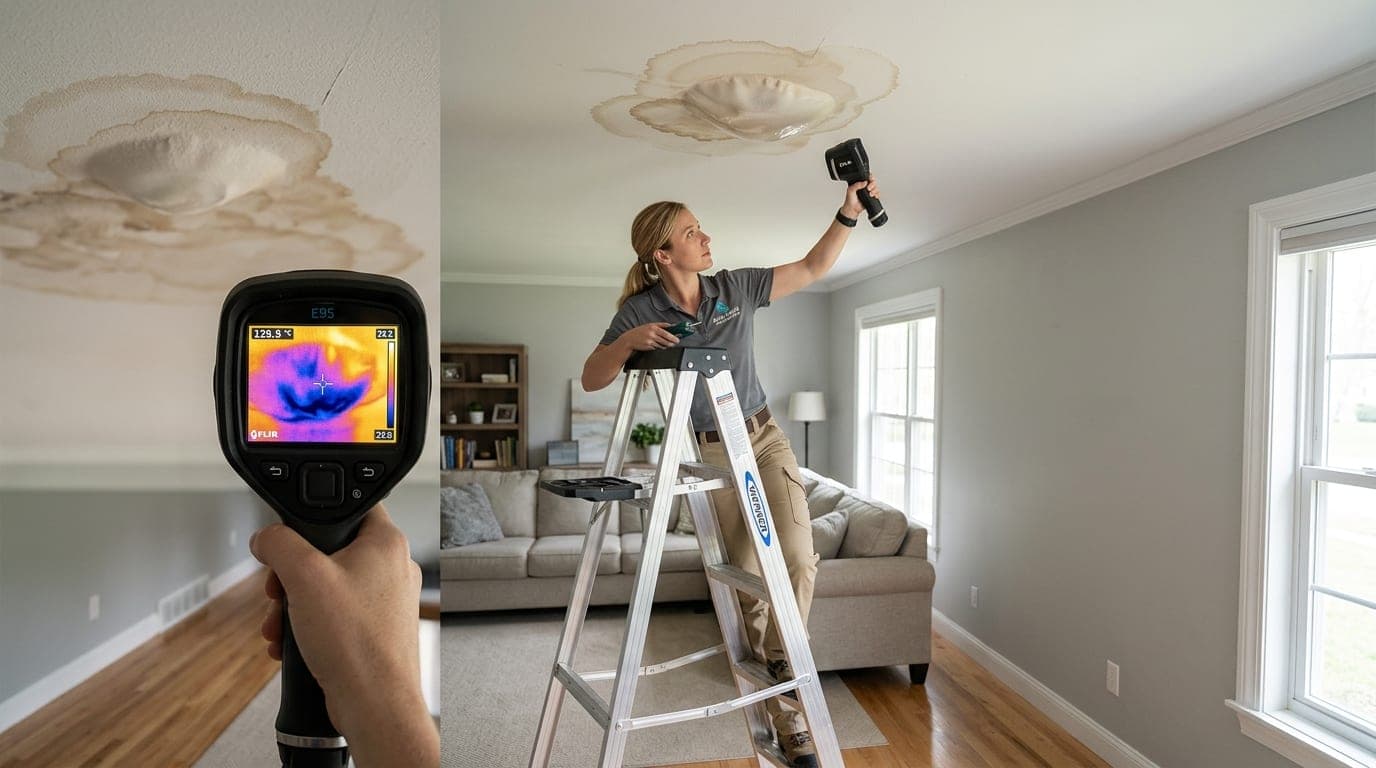
Ceiling Water Damage Repair
Ceiling water damage is among the most urgent property emergencies in the Treasure Valley. Saturated drywall can hold many times its weight before collapsing without warning. Our network connects Boise property owners with certified technicians who relieve overhead pooling, map concealed moisture in joist bays, dry attic structures, and restore seamless ceiling drywall finishes.
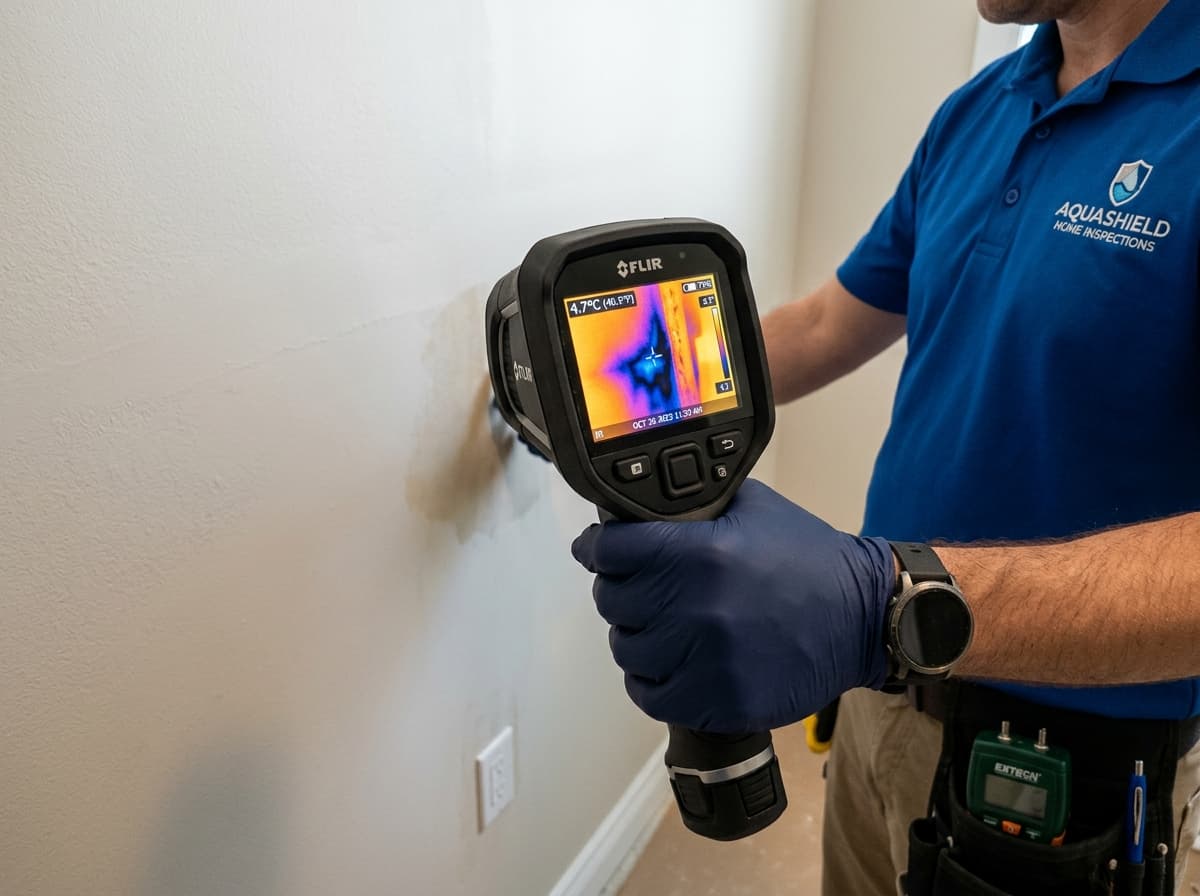
Drywall Water Damage Repair
When water floods your property or a hidden pipe bursts inside wall framing, drywall acts like a sponge—wicking water vertically up to several feet within hours. Trapped moisture behind walls creates a dark greenhouse where wood rot and mold flourish. Our network connects Boise and Treasure Valley property owners with technicians skilled in non-invasive wall cavity drying, clean flood cuts, and seamless drywall repairs.
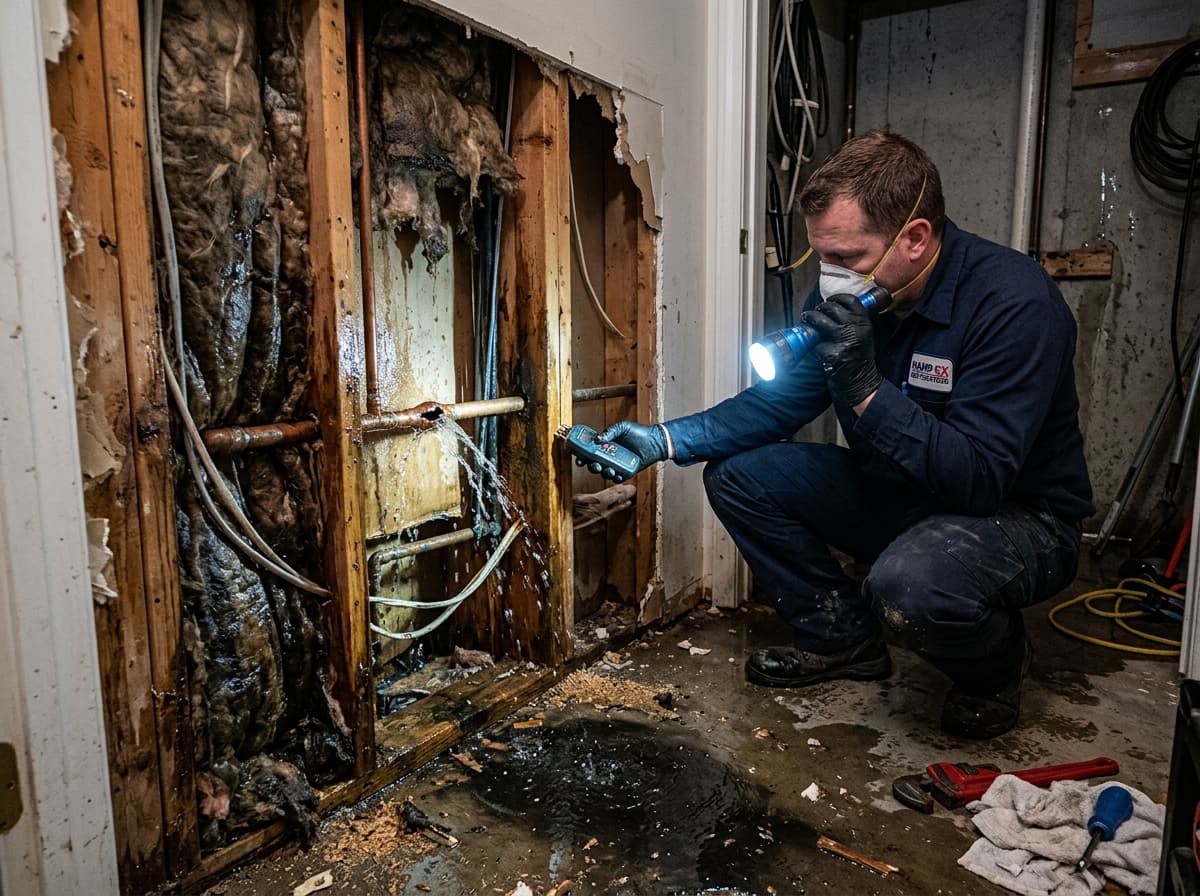
Burst Pipe Water Damage
During Boise winter freezes, sub-freezing temperatures penetrate uninsulated crawlspaces, exterior walls, and attics, causing copper and PEX lines to burst under high pressure. When the thaw hits, hundreds of gallons pour into living spaces. Connect with local emergency pipe restoration crews immediately.
Written by Boise Restoration Editorial Team
Editorial TeamLocal property recovery specialists providing transparent restoration and insurance claims education across the Treasure Valley.
Sources & References
The factual recommendations, contamination categories, and psychrometric principles in this guide are directly grounded in the following official government disaster protocols and ANSI/IICRC restoration standards:
- 1Idaho Renters Insurance Consumer Rights & Policy GuideIdaho Department of Insurance
- 2Idaho Landlord and Tenant Guidelines (Idaho Code § 6-320)Office of the Idaho Attorney General
- 3Understanding Personal Property & Loss of Use in HO-4 Renters PoliciesInsurance Information Institute
- 4Standard for Professional Water Damage Restoration (IICRC S500)Institute of Inspection Cleaning and Restoration Certification
Frequently Asked Questions
Yes. If an upstairs neighbor's plumbing breaks or their bathtub overflows and leaks through your ceiling, your renters insurance policy covers water damage to your personal belongings and pays for your hotel stay under Loss of Use. Your insurance carrier will then typically seek reimbursement (subrogation) from the upstairs neighbor or their insurance policy, often refunding your deductible once settled.
Continue Learning About Water Damage
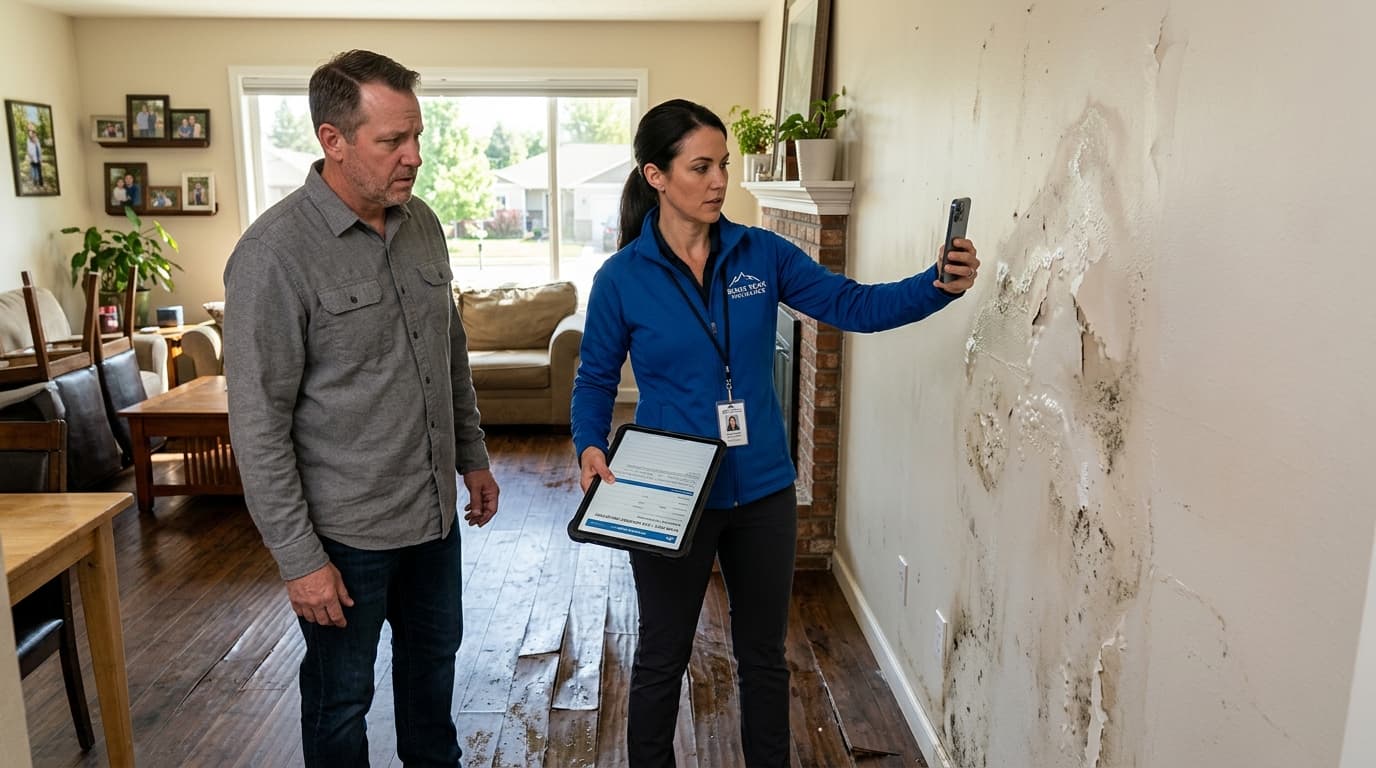
Does Homeowners Insurance Cover Water Damage in Idaho? Complete Claim Guide
When facing thousands in water damage repairs, your first question is: Will insurance pay for this? Here is the exact breakdown of covered vs non-covered water losses under Idaho homeowner policies.
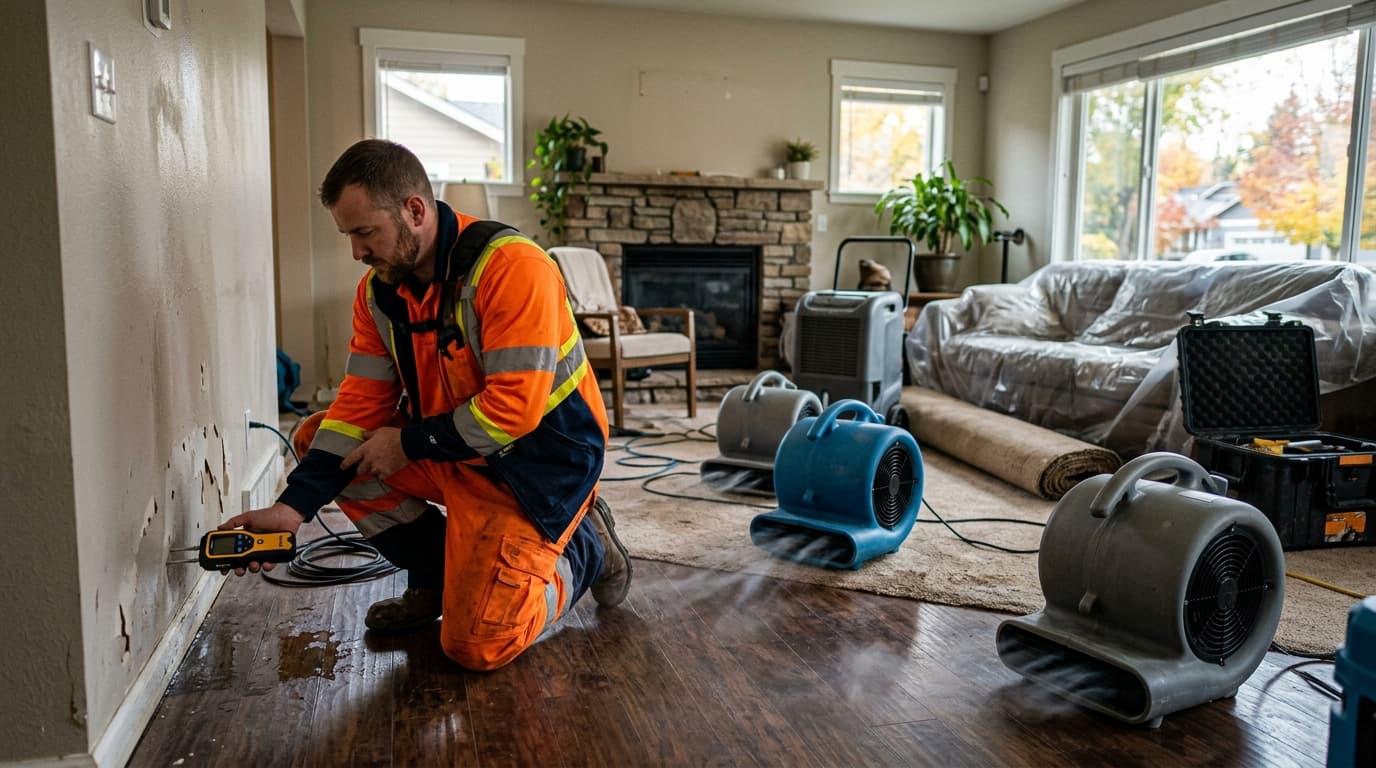
What to Do After Water Damage: A Step-by-Step Emergency Guide
When water intrudes into your living space, the first 24 to 48 hours determine whether your floors, framing, and drywall can be preserved or if destructive mold and rot take hold. Here is the verified emergency recovery sequence from certified restoration specialists.
Ceiling Water Damage: Causes, Brown Rings & Immediate Action Steps in Boise, ID
A yellow-brown water ring or sagging bubble on your ceiling indicates active water pooling overhead. Learn the immediate steps to prevent a catastrophic drywall collapse, how to diagnose whether the leak originates from an upstairs bathroom, roof ice dam, or attic HVAC unit, and how certified crews restore ceilings across the Treasure Valley.